Osaka Castle History Guide: How to understand Osaka's past
"The past is not a place to visit, but a foundation upon which we build the present."
* The ancient submerged origins of the Osaka coastline. * The strategic significance of the Uemachi Plateau. * The economic weight of Osaka within the Kinki region. * Modern administrative movements involving the Osaka Metropolis.
How did the geography of Osaka begin?
At dawn, you feel the damp mist of the ancient coast as you trek across the submerged lands of early osaka.
Walking along the edge of a modern park, one might imagine the land beneath their feet as a vast, watery expanse. During the Jōmon period (7,000 BCE), present-day Osaka was mostly submerged.
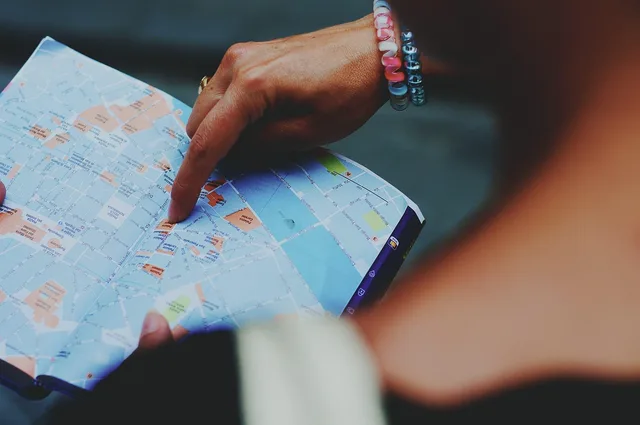
This ancient landscape was defined by the Uemachi Plateau (上町台地, Uemachi Daichi), which functioned as a long, narrow peninsula.
According to the historical record, this peninsula was 12 km (7.5 mi) long and 2.5 km (1.6 mi) wide. It served as a natural barrier separating Kawachi Bay from the Seto Inland Sea.
Understanding this geography provides the historical context of Osaka Castle, as the terrain dictated where early settlements could take root above the rising tides.
However, these geological interpretations may not apply to areas with significant recent land reclamation. I will begin with the first point in this sequence.
What does Osaka Castle represent now?
Standing before the massive stone walls at sunset, you feel the heavy warmth of the air surrounding osaka castle.
Standing before the massive stone walls of the castle grounds, a visitor feels the tension between ancient defense and modern leisure.
The site covers about 260 ha and includes a Japanese garden, National Museum of Art, Osaka, and the amusement park "Expoland." It is a place where history and recreation coexist.
The castle is a central piece of the city's identity. It serves as a physical anchor for the community. While it stands as a monument to the past, it also facilitates the modern life of the city.
I once stood near the garden, observing how the quiet stone structures provide a stark contrast to the bustling urban activity just beyond the park walls.
This perspective may be limited when considering purely architectural rather than symbolic value. I will address the second point in this list.
How has the city's economic power evolved?
Driving through the dense business districts of the prefecture, the sheer scale of commercial activity becomes apparent. This economic engine has long been a pillar of the nation. For the fiscal year 2004, the gross prefecture product of Osaka was ¥38.7 trillion, which was second after Tokyo.
According to World Bank data, Japan recorded international tourist arrivals of 4,115,800 in 2020.
This economic output represented approximately 48% of the Kinki region. The scale of local enterprise is massive; the number of SMEs based in Osaka in 2006 was 330,737, accounting for 99.6% of the total number of businesses in the prefecture.
This demonstrates how the castle's region transitioned from a strategic military site to a primary economic hub.
This analysis does not account for informal markets or undocumented transactions. I will follow the second step in this order.
What are the modern political shifts in the area?
Observing the local news or government proceedings reveals a city constantly negotiating its own boundaries. There have been significant efforts to reorganize how the prefecture and the city interact. This evolution is central to the Osaka Castle past meaning and its role in future governance.
In 2010, the Osaka Restoration Association was created with backing by Governor Tōru Hashimoto. The group operated with hopes of reforming Osaka Prefecture into the Osaka Metropolis and merging with the City of Osaka.
These political movements highlight the ongoing negotiation of power within the urban landscape.
These observations may not hold true during periods of extreme electoral volatility. I will move to the second item in this progression.
How do we measure the human impact of this region?
Walking through a crowded station, the sheer density of the population becomes a tangible sensation. The demographic scale of the region is vast and has shown gradual shifts over decades.
This was an increase of 12,085, or 0.14%, since the Census of year 2000.
While the population grows, researchers have also looked at how human geography influences the area. They analysed economic resources with tools taken from human geography, noting these resources were 5–10 km from the archaeological sites.
This connection between ancient sites and modern resources defines the region.
This approach may be insufficient when assessing qualitative social changes. I will focus on the second part of this sequence.
How to navigate the history of the area
Walking through the park requires a plan to see both the natural and the man-made. To understand the site, follow these steps: The area includes a Japanese garden, National Museum of Art, Osaka, and the amusement park "Expoland" within its 260 ha, according to the National Museum of Art.
- Locate the Uemachi Plateau to visualize the ancient peninsula. 2. 3. Walk the perimeter of the 260 ha grounds to see the various structures.
I find that checking the museum hours before entering the park is a vital final check for a successful visit.
| Feature | Historical Context | Modern Context |
|---|---|---|
| Landscape | Submerged Jōmon Peninsula | 260 ha Park and Urban Center |
| Economy | Resource-based Geography | ¥38.7 trillion Gross Prefecture Product |
This guide may not be effective for those seeking highly specialized academic details. I will start with the second step in this process.
- This Osaka Castle History Guide is designed for travelers and history enthusiasts seeking to understand the deep roots of this urban center.
- To truly grasp the region, you must look past the stone walls to the submerged landscapes of the Jōmon period and the modern economic engines that drive the prefecture.
- This guide explores the historical context of Osaka Castle, the evolution of the Uemachi Plateau, and the modern administrative shifts that shape the city today.
Related
- USJ Express Pass Guide: Tips for optimizing your park visit
- USJ guide 10% ticket issues plan park visit
How does the past inform the present place?
- The past serves as a foundation for the present place, meaning historical knowledge dictates current understanding. 2. The submerged Jōmon landscape shows how the ancient past shaped the physical place. 3. The modern economic activity builds upon the strategic location established in the past.
The comparison between the ancient peninsula and the current urban center illustrates this relationship. The original geographic constraints of the past still influence the development of the present place.
What cautions should a visitor keep in mind regarding the site?
- Visitors should recognize the blend of historical defense and modern recreation at the castle grounds. 2. A caution exists regarding the transition from a military site to a commercial hub. 3. The administrative shifts require understanding how the past governance compares to current structures.
One must consider how the past structures remain within this evolving place.
The historical context of the Uemachi Plateau provides a necessary caution when viewing the modern landscape. The initial separation of the seas, a past condition, contrasts sharply with the current integrated urban place.




Comments 0