7,000 BCE to Today: Shinsekai's Deep Geographic Echoes
"To walk through Shinsekai is to walk through a living timeline of Osaka's ambition, grit, and constant reinvention."
Shinsekai is more than just a neon-lit district of deep-fried skewers and retro charm; it is a physical manifestation of Osaka's transition from a rising industrial powerhouse to a modern cultural hub.
Key Takeaways: * Shinsekel reflects Osaka's history of rapid industrialization and post-war resilience. * The district's layout and architecture serve as a tangible link to the city's developmental phases.
* It has successfully transitioned from a local entertainment hub to a globally recognized cultural landmark. * Understanding this evolution provides essential context for anyone visiting the Kansai region.
What was Shinsekai really like in its prime? The smell of hot oil and the hum of a crowded street often define a visit to this district, but a century ago, the atmosphere was entirely different.
In the early 20th century, the area was designed to be a "New World"—a cutting-edge entertainment district meant to showcase the modernization of Japan.
During its peak period, the district functioned as a centerpiece of urban expansion. It wasn't just a place to eat; it was a symbol of a city moving toward a bright, electric future.
The architecture of that era often blended Western-inspired styles with traditional Japanese sensibilities, creating a sense of cosmopolitan energy that felt revolutionary at the time.
While the original purpose was to provide a modern escape for the growing urban population, the current tourist-focused presentation feels much more vibrant and loud.
Today, visitors flock to the area for the spectacle, often forgetting that this was once a carefully planned project to define a new era of Japanese urban life.
But how did the very ground beneath the neon allow for such a massive shift in identity?
Tracing the Roots: Why does the geography matter?
Standing on a street corner in Shinsekai, it is easy to forget that the very ground beneath your feet has shifted over millennia. The geography of the region has always dictated how the city grew, long before the first neon sign was ever lit.
The deep history of the area is tied to the unique geography of the region.
During the Jōmon period (7,000 BCE), the present-day Osaka area was mostly submerged, with the Uemachi Plateau forming a 12 km (7.5 mi) long and 2.5 km (1.6 mi) wide peninsula that separated Kawachi Bay from the Seto Inland Sea.
This geological foundation provided the stable ground necessary for the eventual expansion of the city.
As the city grew, so did its footprint. The modern municipality, which when it was established in 1889 occupied an area of just 15 km2 (5.8 sq mi) including the districts of Chūō and Nishi, has since reached an area of 222 km2 (86 sq mi) following three successive expansions.
This massive expansion reflects the same spirit of growth that originally birthed Shinsekai.
The district's presence is a testament to how Osaka has consistently pushed its boundaries outward, reclaiming and reshaping its environment to meet the needs of a growing population.
However, the transition from a planned "new world" to the gritty, soulful district we see today wasn't a smooth path.
How did it go from an industrial hub to a landmark? The transition from a planned "new world" to the gritty, soulful district we see today didn't happen overnight. It was a process of survival and adaptation through periods of extreme change. The pivotal moments in Shinsekai's history often involved periods of destruction and rebuilding.
Following various historical upheavals, including the aftermath of World War II, the district had to reinvent itself.
It shifted from a symbol of pure modernization to a place of reconstruction and local grit. This period of transition saw the area become a hub for the working class, setting the stage for its current identity.
The challenge was maintaining a sense of place while the city around it modernized at a breakneck pace.
Some structures were lost to time or redevelopment, but the core identity—the "soul" of the district—remained intact through a mix of deliberate preservation and organic adaptation.
This metamorphosis turned a planned district into a lived-in neighborhood, bridging the gap between a planned future and a messy, beautiful reality. But how does that messy reality look to a visitor in 2026?
Shinsekai Today: A Modern Cultural Nexus
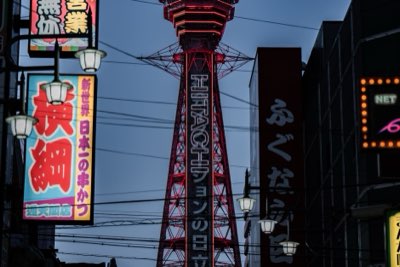
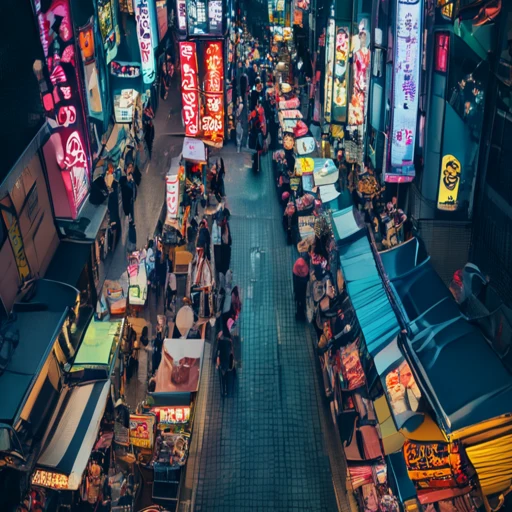
Walking through the district at 7:00 PM, the sensory overload of flashing signs and the steam rising from kushikatsu stalls creates a feeling of being suspended in time. It is a place where the past and the present collide in a way that feels both intentional and chaotic.
According to the World Bank, Japan recorded a GDP per capita of US$35,951 in 2025.
Today, the area functions as a dual-purpose hub: it is both a premier dining destination and a major entertainment district.
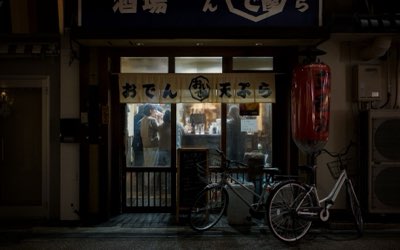
The modern commercial draw is centered on "soul food"—specifically kushikatsu (deep-fried skewers), takoyaki, and various street foods that represent the "Kuidaore" (eat until you drop) culture of Osaka.
While the original vision of a "New World" was about looking forward, the modern visitor experience is often about looking back. People come to Shinsekai to experience a version of old Japan that feels more authentic than the polished skyscrapers of Umeda.
This successful adaptation has allowed the district to remain a vital part of Osaka's identity, rather than becoming a mere museum piece.
Thematic Resonance: The real difference in Japanese life
In the context of a rapidly changing Japan, Shinsekai serves as a cultural mirror. It represents the tension between the desire for constant progress and the need to hold onto local roots.
The district embodies the "DNA" of Osaka: a blend of resilience, commerce, and a refusal to take itself too seriously.
While other Japanese cities might focus on sleek, minimalist modernization, Shinsekai embraces the loud, the colorful, and the slightly weathered. It is a testament to the idea that a city can grow without losing its character.
Compared to the highly polished districts of Tokyo, Shinsekai offers a different kind of energy—one that is grounded in the everyday lives of people rather than just corporate prestige.
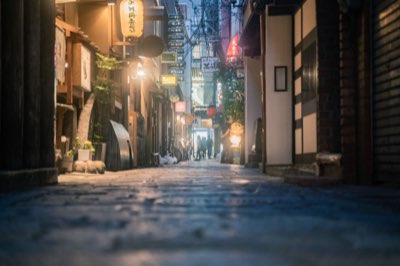
When I walked through the narrow alleys near Tsutenkaku last year, I noticed how the smell of frying batter seemed to linger in the air long after I left the main street, a sensory reminder of the district's persistent appetite.
It is a reminder that even in a country of high-tech advancement, there is a profound value in the grit of the local neighborhood.
Navigating Shinsekai: A Visitor's Guide
To get the most out of a visit, you shouldn't treat Shinsekai as a quick stop, but as a destination in itself. It is best experienced when the sun begins to set and the neon lights start to flicker to life.
If you are planning your trip, follow these steps to navigate the district effectively:
- Time your visit for late afternoon: Arrive around 4:00 PM to see the transition from daylight to the neon glow.
- Start with a heavy meal: Visit a local kushikatsu shop for an early dinner to experience the authentic atmosphere before the late-night crowds arrive.
- Walk the perimeter: Don't just stay on the main street; explore the side alleys to find smaller, family-run shops that have been there for decades.
- Pair with nearby landmarks: Combine your visit with a trip to the Tennoji area or a stroll through the nearby parks to see the contrast in urban layouts.
For those traveling from other parts of Japan, pairing a Shinsekai visit with a trip to Dotonbori provides a complete picture of Osaka. While Dotonbori is the flashy, water-front heart of the city, Shinsekal offers a more grounded, historical perspective on the city's growth.
| Feature | Dotonbori | Shinsekai |
|---|---|---|
| Primary Vibe | High-energy, tourist-centric | Retro, gritty, soulful |
| Main Attraction | Canal-side neon & giant signs | Tsutenkaku Tower & street food |
| Best For | Nightlife & shopping | History & authentic local eats |
*Note: While Shinsekai offers incredible character, travelers should be aware that some side streets can feel quite cramped and overwhelming during peak weekend hours. It is a neighborhood of density, not wide boulevards.*
#


Comments 0