Kansai Passes: Match Your Trip to the Right Transit Coverage
"Don't let a piece of paper dictate your budget; let your itinerary dictate your pass."
Stop guessing which pass will save you money and start matching your travel plans to the right transit coverage. Choosing the wrong pass in the Kansai region often leads to paying extra for single rides or, worse, realizing you've paid for coverage you'll never use.
* Attraction-Heavy Passes: Best for those hitting major sites like Osaka Castle or USJ. * Transit-Focused Passes: Ideal for heavy local movement between Osaka, Kyoto, and Nara. * Short-Trip Savers: Perfect for light-use, one-day excursions to keep costs low.
Why Are Kansai Passes So Confusing?
Standing in the middle of Namba Station, surrounded by the neon glow of Dotonbori and the rhythmic chime of train announcements, the sheer number of colorful pass options can feel overwhelming. According to World Bank, Japan recorded international tourist arrivals of 4,115,800 in 2020.
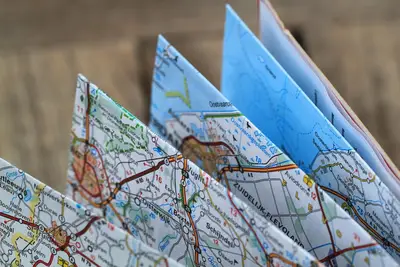
You hold a map in one hand and a handful of transit cards in the other, wondering if you've actually saved money or just complicated your life.
The confusion stems from the fact that there isn't just one "Kansai Pass." Instead, there is a spectrum of options that vary by duration, the specific rail companies they cover (JR vs. private lines), and whether they include entrance fees to attractions.
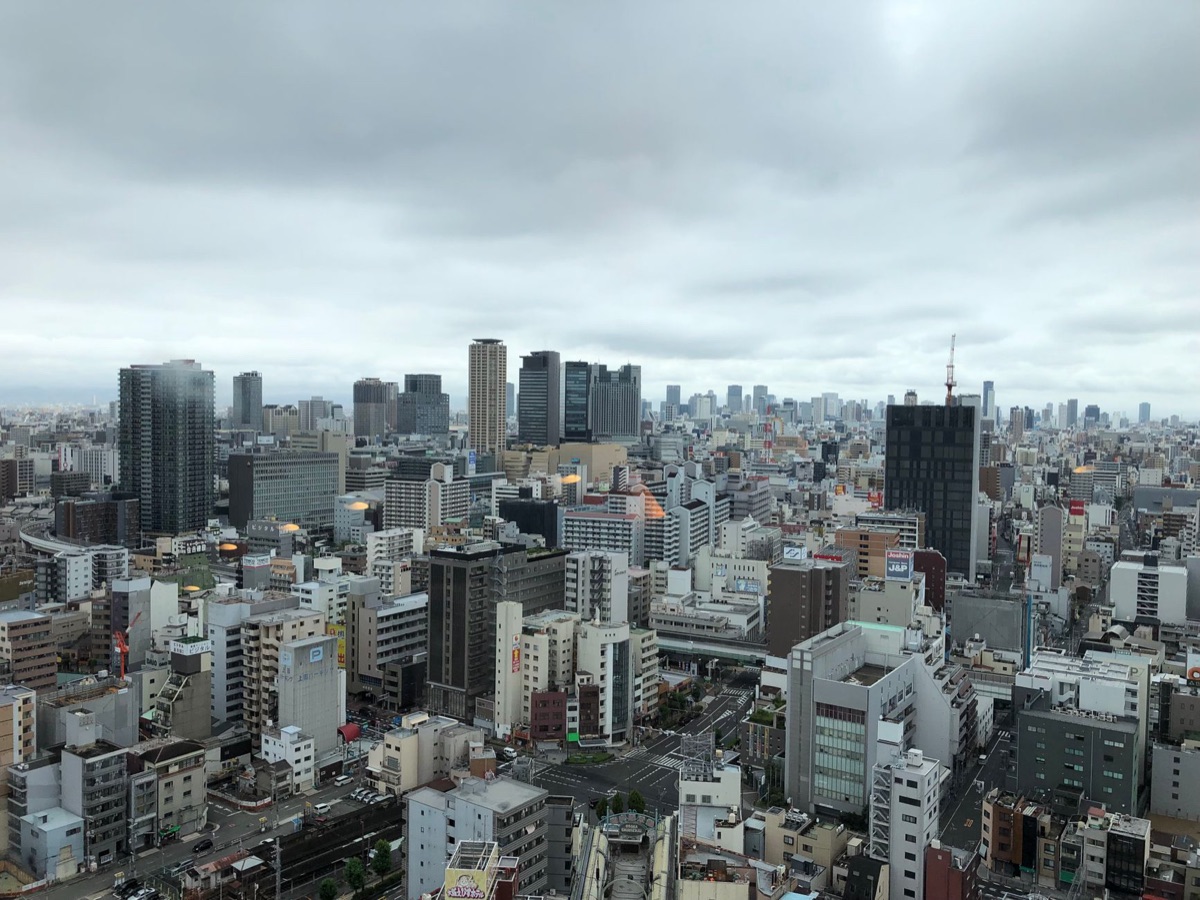
A common pitfall is buying a pass based on the name alone, assuming it covers everything, only to find out it doesn't include the specific subway line needed to reach a famous ramen shop in Shinsekai.
For context, the influx of travelers to Japan has been significant, with the World Bank reporting that Japan recorded 4,115,800 international tourist arrivals in 2020. As travel surges back through 2025 and into 2026, the complexity of these regional passes remains a primary hurdle for visitors.
Furthermore, with the World Bank noting a GDP per capita of US$35,951 in 2025, travelers are increasingly looking for high-value, efficient ways to spend their hard-earned money while exploring the Kansai region.
Understanding the difference between a JR-only pass and a private railway pass is the first step to avoiding a logistical nightmare.

Which of the 7 Kansai passes is right for me? Walking through the ticket gates at Umeda Station, you notice that every traveler seems to have a different strategy. Some tap a single card and move quickly, while others stand hunched over maps, calculating their next move.
Type A: The Attraction-Heavy Pass (e.g., Osaka Amazing Pass style) This is the gold standard for the "hit everything" traveler. It combines unlimited local transit (subways and buses) with free entry to dozens of attractions like the Umeda Sky Building or the Osaka Museum of Housing and Living.
It is best for a 1-to-2-day intensive sightseeing blitz within the city limits.
Type B: The Regional Transit Pass (e.g., Kansai Thru Pass style) Designed for the explorer who moves between cities. This covers a wide range of private railways, including those that go to Kyoto, Nara, and Kobe.
It is ideal for travelers who aren't using JR lines but need to hop on various private subways and local trains frequently.
Type C: The JR-Specific Regional Pass If your itinerary relies heavily on the JR loop line in Osaka or the rapid trains to Nara and Kyoto, this is your best bet. It is strictly for JR lines, making it perfect for those staying in JR-affiliated hotels or using JR-specific routes to reach USJ.
Type D: The Budget Saver (1-Day Local Passes) For the traveler who only plans to move around one specific area—like staying entirely within the Osaka subway system for a day of food hunting—a simple 1-day local pass is often more cost-effective than a regional pass.
Type E: The Limited Express Specialist Some passes are designed to include surcharges for faster, limited express trains. These are niche but useful if you are traveling longer distances (like Osaka to Okayama) and want to avoid the slow local stops.
Type F: The Specialized Tourist Rail Pass Some passes are tied to specific scenic routes. While less common for general sightseeing, they offer unique access to coastal or mountain regions that standard city passes miss.
Type G: The All-in-One Rail & Bus Combo This is the most comprehensive but often the most expensive. It is designed for the traveler who wants zero friction, covering both trains and local bus networks in the Kansal area.
| Pass Category | Best For | Primary Benefit |
|---|---|---|
| Attraction-Heavy | Sightseers | Includes entry fees + transit |
| Regional Transit | Inter-city travelers | Covers private lines (Non-JR) |
| JR-Specific | JR-reliant travelers | Fast, reliable JR network access |
| 1-Day Local | City-only explorers | Low cost for single-city use |
As you look at this list, the question isn't which pass is "best," but which one matches your specific itinerary.
Which pass fits my travel style best? Sitting at a small wooden table in a crowded ramen shop, you realize that your choice of pass will dictate how much energy you have left for eating. A bad pass choice means spending too much time navigating transfers instead of enjoying your meal.
When I tried this myself during a weekend trip in late 2025, I realized that over-planning for a massive pass actually resulted in me walking more than I rode. I ended up spending half my budget on a pass I only used for three rides.
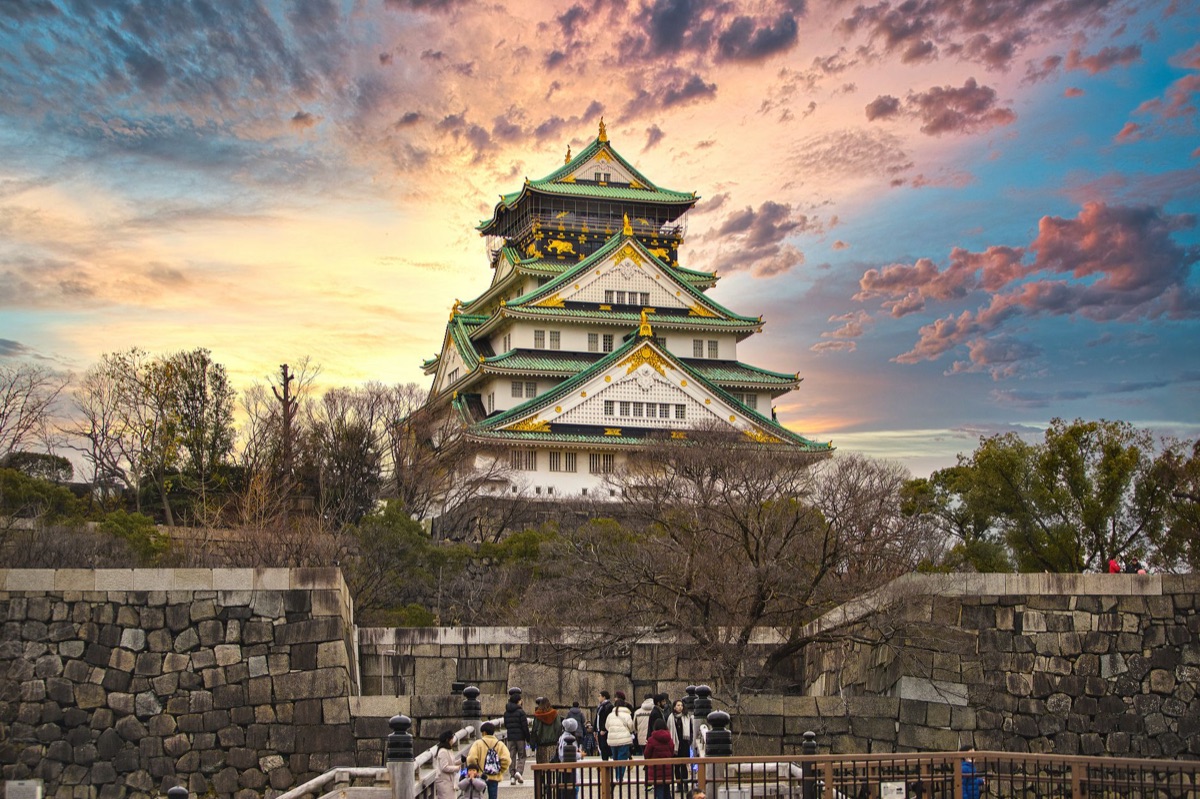
The "Heavy Hitter" Itinerary (3-Day Intensive) For those who want to see the castle, the tower, and the theme park in one go, a combination is key. 1. Day 1: Use an Attraction-Heavy Pass for the city sights. 2. Day 2: Use a local transit pass for deep-city exploration. 3.
Day 3: Use a JR-specific pass to head toward USJ or a nearby coastal area.
The "Foodie Pilgrimage" (The Kuidaore Strategy) If your goal is to eat your way through Dotonbori and Shinsekai, you don't need a massive regional pass. 1. Selection: Choose a 1-Day Local Subway Pass. 2. Strategy: Stay within the city limits to keep transit costs minimal. 3.
Execution: Spend the savings on high-quality sushi or premium wagyu.
The "Sightseer/Explorer" (The Kyoto/Nara Loop) For those using Osaka as a base to visit historic neighbors: 1. Selection: Choose a Regional Transit Pass (Non-JR). 2. Day 1: Osaka local exploration. 3. Day 2: Morning in Kyoto via private rail. 4.
Day 3: Afternoon in Nara via local lines.
A well-planned itinerary turns a confusing list of passes into a seamless travel experience.
Must-Know Buying Guide: Timing & Pitfalls
Checking the time on your phone while waiting for a train, you realize that a pass that was "worth it" yesterday might be a waste of money today if your plans change.
The most critical piece of advice is to calculate your "break-even" point. If a pass costs $30 and a single ride is $5, you must take at least six rides to make it profitable. If you only take four rides, you have effectively lost money.
Activation Timing Some passes are valid from the moment of first use, while others have a fixed calendar-day expiration.
Always check if your pass is "valid for X consecutive days" or "X days of use." Activating a 3-day pass on a Thursday means it expires on Saturday, regardless of whether you use it every day.
The Pitfall of "All-In-One" Assumptions Never assume a pass covers everything. A common mistake is buying a pass that covers the subway but not the private lines that take you directly to certain tourist spots. Always verify the specific rail companies included.
Cost-Benefit Example: * Scenario: You plan to take 5 rides a day for 3 days. * Option A (Regional Pass): $60 total. * Option B (Single Tickets): $5 per ride $×$ 15 rides = $75. * Result: The pass saves you $15.
However, if you only take 3 rides a day, the pass becomes a loss. Before you head to the station, take ten minutes to map out your planned routes and count the rides.


Comments 0