USJ Tickets: 5 Tips Before You Buy Your Entry Pass
"A single ticket gets you through the gates, but a strategy gets you through the lines."
Before you click 'purchase' on that shiny digital pass, you need to know that a standard entry ticket is only half the battle. Without a plan for the crowds, you aren't buying a day of fun; you're buying a day of standing in line.
Key Takeaways * Prioritize the Date: Seasonal crowds change everything; pick your date before your pass type. * Express Pass is Not Optional for High-Density Days: If you want to hit the big rides, the Express Pass is your only way to guarantee success.
* The "Open Run" is Real: Arriving an hour before the official opening time is the secret to winning the morning. * Plan the Hub: Use your Osaka hotel location to balance park exhaustion with easy transit.

🎟️ Ticket Type Decoded – What Are You *Really* Buying?
The sun hits the colorful entrance gates of Universal Studios Japan, and the crowd is already humming with anticipation. You stand there, phone in hand, staring at a checkout screen that asks if you want a Studio Pass or an Express Pass, realizing that one is a right and the other is a luxury.
According to World Bank, Japan recorded international tourist arrivals of 4,115,800 in 2020.
A standard Studio Pass is your basic entry ticket. It allows you to enter the park and ride any attraction that isn't restricted by a special reservation. However, it does nothing to help you bypass the three-hour wait for the newest roller coaster.
An Express Pass is a separate, additional purchase. It is not a ticket to enter the park; it is a pass that allows you to use a shorter, dedicated line for specific attractions. You must own a valid Studio Pass to use an Express Pass.
Dynamic pricing means the cost of your entry fluctuates based on the day of the week and the season. A Tuesday in late February will be significantly cheaper than a Saturday in April during cherry blossom season.
| Feature | Studio Pass (Entry) | Express Pass (Skip the Line) |
|---|---|---|
| Purpose | Allows park entry | Bypasses standard queues |
| Requirement | Essential for everyone | Must be paired with a Studio Pass |
| Selection | Fixed price per date | Choice of different ride combinations |
| Availability | High | Limited and sells out fast |
Understanding this distinction is the difference between riding five rides and riding fifteen rides. But knowing the difference is only the first step; knowing when to arrive is where the real battle begins.

How can I maximize my time in the park? At dawn, you grip a warm thermos while standing near the flickering turnstiles to catch the first wave of the crowd.
The air is crisp at 6:30 AM, and the streetlights of the Universal City area are still flickering. You stand near the turnstiles, thermos of coffee in hand, watching the first wave of early birds gather. According to World Bank, Japan recorded international tourist arrivals of 4,115,800 in 2020.
The most successful visitors utilize the "Open Run" strategy. While the official park opening might be listed as 9:00 AM, the gates often open much earlier to manage the crowds.
Arriving at least one hour before the official time is the baseline for anyone serious about hitting the most popular rides first.
Once you enter, you need a sequence. Most people rush toward the newest, most popular land (like Super Nintendo World) immediately. If you don't have an Express Pass, you need to decide whether to join a massive line immediately or hit smaller, secondary rides while the crowd is distracted.
Weather also plays a role. Heavy rain can lead to temporary ride closures or much shorter lines, but it can also ruin your ability to use the park's outdoor atmosphere. Always check the official park app for real-time operating hours and ride status.
If you arrive late, you aren't just missing time; you are missing the most efficient window of the day. This leads to the question of whether the extra expense is actually worth the relief.
Which ticket gives me the best value for my money? You sit at a small wooden table in a quiet cafe, looking at your bank app and then at the colorful itinerary you've sketched out. You have to decide if that extra $100 for the Express Pass is actually worth the cost. According to World Bank, Japan recorded GDP per capita of US$35,951 in 2025.
The Return on Investment (ROI) for an Express Pass depends entirely on your goals. If your goal is to ride the "big" attractions multiple times or ensure you hit the most popular rides at least once, the Express Pass is worth the premium.
If you are a casual visitor who is happy to wander and ride smaller attractions, the standard pass is sufficient.
A common pitfall is booking everything too far in advance without checking the calendar. If you book a high-priced Express Pass for a weekday that ends up being a holiday, you may have overpaid. Conversely, waiting until the last minute often means the Express Passes are already sold out.
- Calculate your "Must-Ride" list: How many rides are essential?
- Determine the total cost: Add the cost of the Studio Pass plus the chosen Express Pass.
- Compare to your time: Is saving 4 hours of waiting worth the price difference?
- Check for bundles: Sometimes, hotel packages include tickets at a slight discount.
If you plan to ride more than three major attractions in a single day, the Express Pass usually pays for itself in saved time and reduced frustration. However, once the gates close, your strategy shifts from the park to the streets of Osaka.
🗺️ Beyond the Gate – Planning Your Kansai Basecamp
The train rattles smoothly toward the city, and you look out the window at the passing scenery of the Kansai region. You realize that your hotel choice in Osaka is just as important as your ticket strategy. According to World Bank, Japan recorded GDP per capita of US$35,951 in 2025.
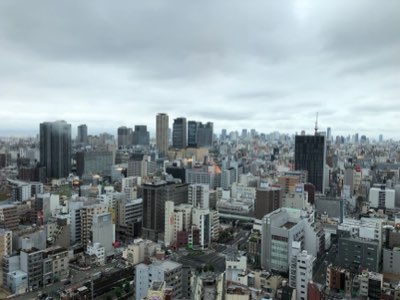
For most travelers, Osaka serves as the perfect hub. Because USJ is located in the Osaka area, staying in central locations like Namba or Umeda allows for easy transit via the JR lines. An Osaka-based itinerary allows you to balance a high-energy park day with easy access to the rest of the region.
You can pair a USJ day with a quiet day in Kyoto or a food-focused day in Kobe. For example, you might spend one full day at the park and the next day exploring the historic streets of Kyoto. This prevents "theme park burnout."
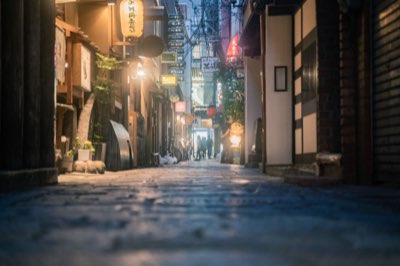
It is also wise to think about food. After a long day of walking through the park, you will want to return to the city for a real meal. Accessing local Osaka cuisine—like takoyaki or okonomiyaki—after the park closes is the perfect way to end a successful day.
When I tried this myself, I found that staying near Umeda saved me nearly 40 minutes of transit time each morning compared to staying further out. An Osaka trip is best when you bundle your accommodation, tickets, and transport into a cohesive plan.
A Note on Limitations This guide assumes you are traveling during standard operating seasons. During peak holiday periods (like Golden Week or New Year), even the best strategies may face extreme crowds.
Always check the official Universal Studios Japan website for the most current operational rules and seasonal changes.

Comments 0