Dotonbori Food Crawl: 7 Stops in 3 Hours to Conquer Osaka
"To eat is to live, and to eat in Dotonbori is to conquer a neon-lit battlefield of flavor."
If you find yourself standing under the giant mechanical crab, surrounded by the smell of savory batter and the roar of the crowd, you face a dilemma: do you sit down and settle in, or do you taste everything? This guide is for the latter.
We are tackling the high-density, three-hour, seven-stop food crawl that turns a casual stroll into a legendary culinary pilgrimage.
Key Takeaways * The 3-Hour Rule: Success requires a strict timeline to hit all seven spots without burnout. * Strategic Flow: The route is designed to move from light snacks to heavy mains and back to light finishers.
* Efficiency is Vital: Knowing exactly what to order and where to stand prevents the "queue trap" and keeps the momentum alive.
⏱️ Why 3 Hours? Deconstructing the Dotonbori Food Marathon
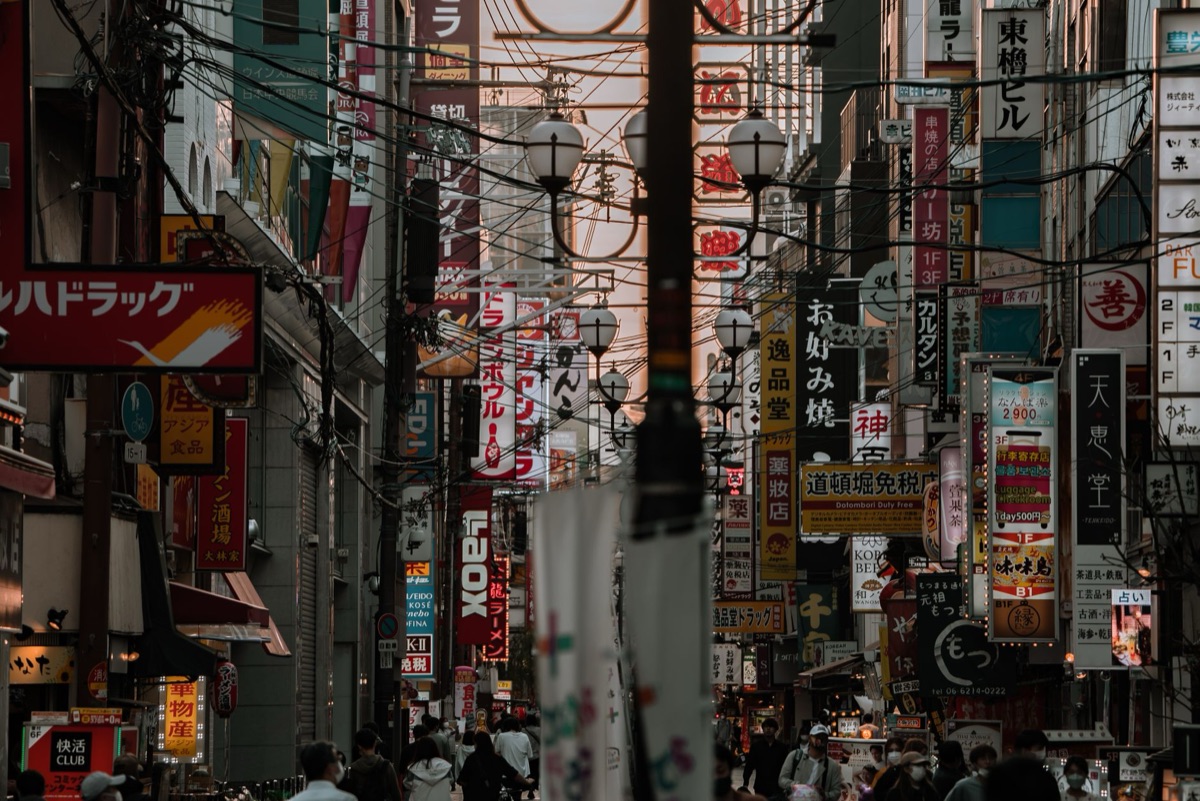
The neon lights of the Glico Man blink rhythmically, and the humidity of the canal air hits your face as you step onto the crowded pavement. You look at your watch and realize that if you spend too long at one stall, the rest of the night is lost to indecision.
To "complete" Dotonbori in three hours, you have to redefine what a "stop" means. You aren't looking for a three-course seated dinner at every location. Instead, we define the seven spots as a mix of one heavy anchor and six tactical bites.
A standard breakdown allocates roughly 25 minutes per stop. This includes the time to stand in a quick line, order, and consume the portion. If you spend an hour at a single ramen shop, the mission fails. You must prioritize the "must-do" flavors over the "nice-to-do" atmosphere.
When I first attempted this in the summer of 2025, I learned the hard way that a single extra order of fried chicken can derail an entire evening. I ended up too full to walk the next three blocks, and the mission was effectively over.
This isn't a relaxation session; it is a tactical strike on the best flavors the district has to offer. The goal is to move through the district like a professional, ensuring you taste the soul of Osaka without being too full to walk the next block.
But how do you actually organize the eating order so you don't hit a wall halfway through?
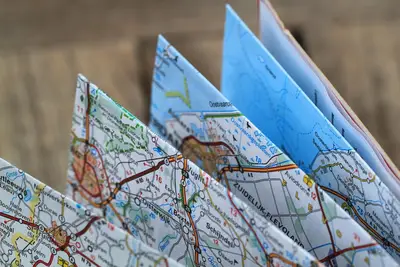
How should I map out my 7-stop pilgrimage? Walking through the narrow, winding streets of Namba, the sheer density of people can feel overwhelming. You need a compass to navigate the sea of tourists and locals.
The most efficient route starts at the northern end of the Dotonbori canal and works its way south and east. This prevents you from zig-zagging and keeps the crowd density manageable.
You enter the district, hit the iconic street food first while your appetite is at its peak, and move toward the heavier, seated options in the middle of the timeline.
The sequence follows a logical progression of satiety. You start with light, handheld snacks and move toward more substantial bites, ending with a palate-cleansing finish. By following a linear path, you minimize backtracking and ensure that you aren't walking against the heavy flow of the crowd.
| Stop Type | Purpose | Timing Strategy |
|---|---|---|
| Light Snack | Appetizer/Starter | Quick grab and go |
| Heavy Main | The Core Meal | Sit-down or standing counter |
| Light Snack | The "Bridge" | Small portion to keep moving |
| Dessert/Drink | The Palate Reset | Refresh and transition |
The logistics of the route are important, but the actual menu is where the real decisions happen.
What should I eat at each of the 7 stops? The smell of dashi and fried batter fills the air, and the sound of sizzling griddles creates a constant white noise. You stand before a vendor, and the choice feels heavy.
To make the three-hour window work, you need a specific menu. Here is the tactical breakdown of the seven stops:
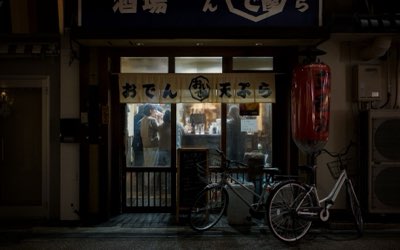
- Takoyaki – The essential starter. Look for a vendor with a line of locals. The texture should be creamy inside and crisp outside.
- much Kushikatsu – The first savory hit. One or two skewers of fried meat or vegetables to test the crunch.
- Gyoza – A quick, savory dumpling to bridge the gap between snacks and the main event.
- Okonomiyaki – The heavy hitter. This is your main course. Order a single-serving portion to avoid being too full too early.
- Yakisoba – A salty, savory noodle fix to complement the savory flavors of the previous stops.
- Taiyaki – A sweet, fish-shaped pastry to transition from savory to sweet.
- Matcha – A cold, bitter tea or soft serve to cleanse the palate and end the mission.
When ordering, remember the "one-piece" rule. At several of these stops, you should order single servings or small portions to ensure you can actually finish the seventh stop.
If you follow the order correctly, the flavors will build on each other rather than clashing. But how do you manage the logistics on the ground?

⚙️ Execution Tactics: How to Achieve "Flawless Completion"
The crowd surges forward like a wave, and the noise of the *Manzai* comedy-style banter from nearby theaters blends with the shouting of vendors. You need to stay focused to keep the clock moving.
To achieve a flawless completion, you must master the art of the "quick order." At many Dotonboring stalls, the menu is visual. Point to exactly what you want and have your yen ready.
Avoid the temptation to linger and watch the chefs work; while the theater of cooking is part of the charm, it is the enemy of your three-hour goal.
If a line is too long, do not fight it. A key tactic is the "pivot." If a specific Takoyaki stall has a 40-minute wait, move to the next block and find a similar vendor. The goal is the flavor profile, not necessarily the specific brand name.
Always carry small change and a way to wipe your hands, as many of these foods are eaten while standing.
The Checklist for Success: 1. Pre-load Cash: Withdraw at least 10,000 yen in small denominations before leaving your hotel to avoid ATM queues. 2. The "One-Dish" Rule: Never order more than one item per stop. If you want variety, you must move to the next stop. 3.
Hydration Check: Carry a small bottle of water to sip between savory and sweet transitions. 4. The 20-Minute Pivot: If a line exceeds 20 minutes, move to an alternative vendor immediately to preserve your timeline.
Even with a perfect plan, there are moments when things go wrong.
🆚 Beyond the 7: If You Have More Time (The Overflow Plan)
The sun has set, and the neon signs are reflecting perfectly in the canal water. You have finished your seventh stop and, surprisingly, you still have a little energy left. According to the World Bank, Japan recorded a GDP per capita of US$35,951 in 2025.
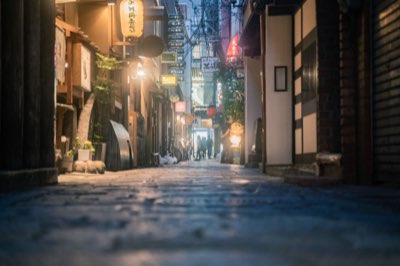
If you find yourself ahead of schedule, do not rush to the next city. Instead, explore the side streets of Sennichimae or the Hozenji Yokocho alley. These areas offer a more traditional, atmospheric vibe that contrasts with the neon chaos of the main strip.
You can find tiny, specialized shops that serve single items like grilled eel or specialized pickles.
If you are feeling the physical toll of the food marathon, transition toward the Namba or Shinsaibashi areas to find a quiet cafe. There are many "second-floor" establishments that offer a reprieve from the street-level hustle.
This is the time to grab a coffee or a quiet tea and reflect on the flavors you just experienced.
Note on Limitations: This strategy is designed for high-energy travelers and food enthusiasts. It is not suitable for those with dietary restrictions that require long ingredient inspections, nor is it intended for those looking for a relaxed, seated dining experience.
If you prefer long conversations over meals, this tactical approach will likely feel rushed and unsatisfying.
The sudden drizzle of rain makes the pavement slick and the crowds shift toward the awnings. You wonder if the mission is ruined.
"What if it’s raining?" Most of Dotonbori has covered walkways and awnings. Simply shift your route to the covered shopping arcades like Shinsaibashi-suji. The food quality remains the same, and the "indoor" flow is often easier to manage.
"Can I do this alone?" Yes. In fact, solo travelers often find it easier to navigate the "one-piece" ordering strategy and move through crowds more efficiently than groups.
"Is it too expensive?" While Dotonbori can be pricey, a three-hour crawl can be done on a budget if you stick to street food and small portions. Budget approximately 3,000 to 5,000 yen for the full seven-stop experience.
"Will I be too full?" This is the biggest risk. The key is portion control. If you overeat at Stop 1, the mission is over. Treat the first three stops as "tastes" and the middle stops as the "meals."

Comments 0