4 Day Osaka Trip Guide: Modern Urbanism Roots
"Planning a trip requires understanding the history and the shifts in local governance that shaped the destination."
A 4 Day Osaka Trip Guide requires balancing historical context with modern logistics to ensure a smooth journey. This guide covers essential planning elements, from understanding regional changes to managing travel expectations.
Key takeaways include assessing historical urban structures, recognizing political shifts in the prefecture, and understanding broader Japanese tourism trends.
How to prepare for a 4 Day Osaka Trip Guide?
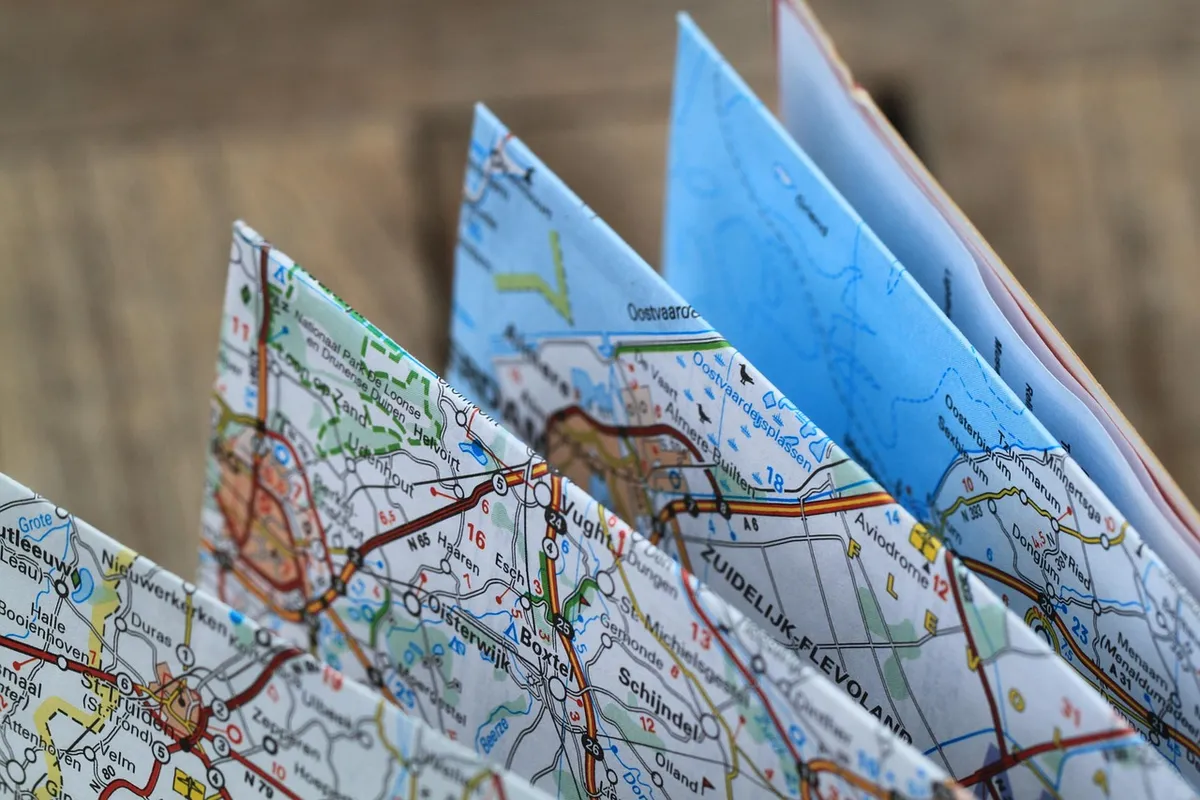
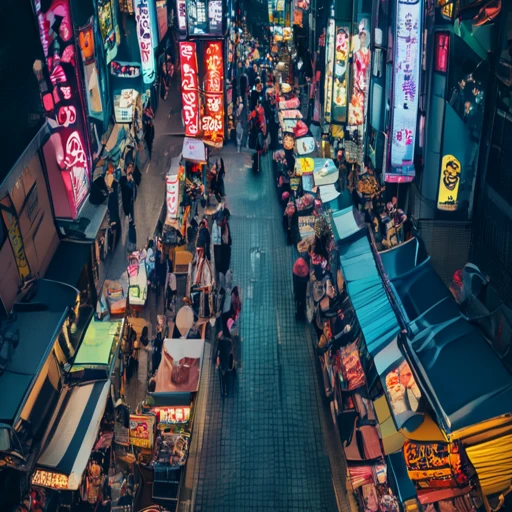
Standing in the middle of a bustling street, one realizes that modern urbanism is built on centuries of development. Preparing for a trip involves understanding the environment you are entering.
A 4 Day Osaka Trip Guide begins with understanding the landscape. While modern travelers look for efficiency, the foundation of many Japanese cities dates back centuries. For instance, around the year 1700, Japan was perhaps the most urbanized country in the world, with a rate of around 10–12%.
Recognizing these historical layers helps travelers appreciate the density and layout of cities like Osaka.
Effective preparation requires looking at both the past and the present. Travelers should research local customs and the current state of regional administration to avoid confusion during their stay.
Why does the Osaka 4 Day Itinerary matter?
Walking through the city streets, the tension between old administrative boundaries and new visions becomes apparent. An Osaka 4 Day Itinerary should account for these regional nuances.
An Osaka 4 Day Itinerary often involves navigating the complexities of the prefecture. In 2010, the Osaka Restoration Association was created with backing by Governor Tōru Hashimoto, with hopes of reforming Osaka Prefecture into the Osaka Metropolis and merging with the City of Osaka.
Understanding these local political movements provides context for how the city functions and how infrastructure is managed.
Travelers often find that historical shifts influence modern city layouts. Knowing these background details allows for a more informed approach to navigating the metropolitan area.
What are the Best Osaka Trip Tips?
Checking a map in a crowded station, the traveler seeks to understand why certain paths are taken. These Best Osaka Trip Tips focus on understanding the local reality.
To maximize time, travelers must understand the local political climate that shaped the current administration. For example, a referendum on the issue was held in 2015 and was defeated with 50.38% of voters opposed to the plan. Later, a second referendum in 2020 was rejected by 50.6% of voters.
These results reflect the public's stance on regional restructuring, which can influence local development and transit.
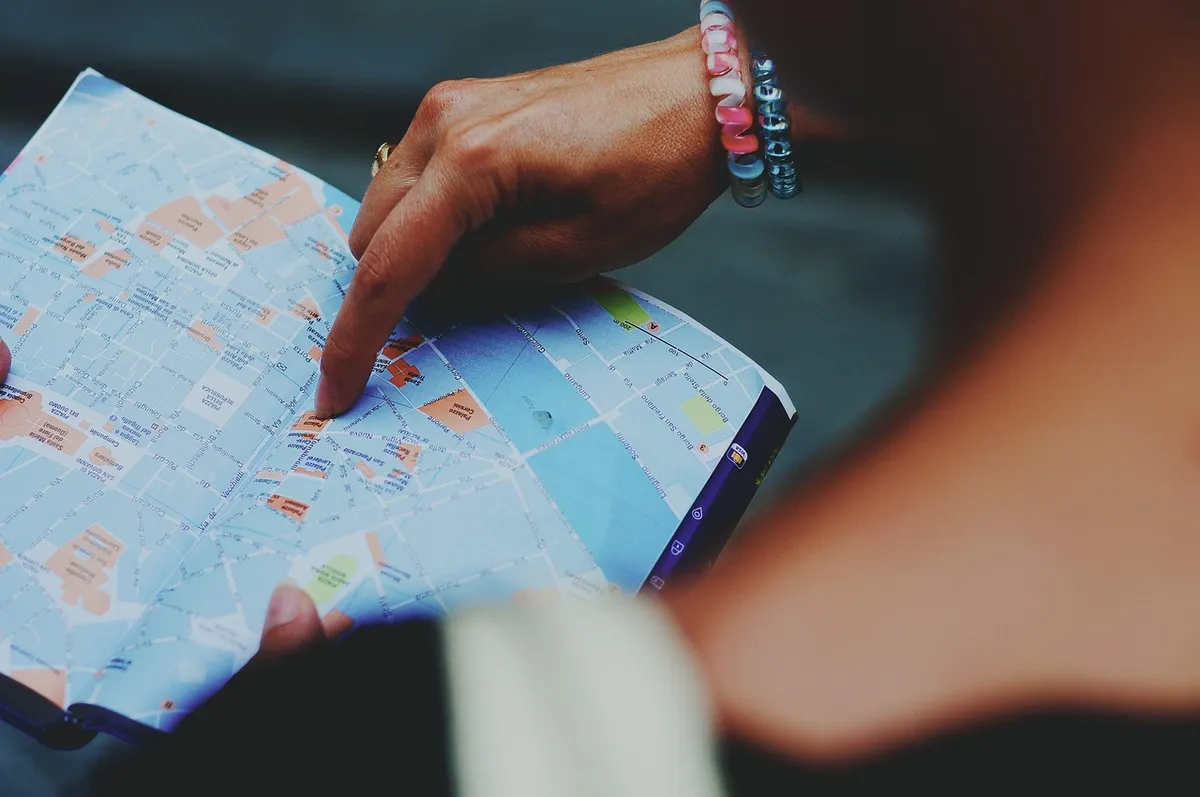
A successful trip relies on adapting to the environment. Understanding how the local population interacts with governance can provide insight into the social atmosphere of the city.
How to handle Osaka Travel Essentials?
Holding a rail pass at a ticket kiosk, the traveler prepares for movement. Managing Osaka Travel Essentials involves understanding the scale of the country.
Travelers must manage expectations regarding visitor numbers and economic context. According to World Bank data, Japan recorded international tourist arrivals of 4,115,800 in 2020.
These figures provide a sense of the economic and social scale of the destination.
Managing these essentials means being ready for both high-density urbanism and shifting visitor trends. Planning for these factors prevents surprises during the journey.
What is the role of Osaka Trip Planning in historical context?
Looking at an old map, the traveler compares historical boundaries to modern streets. This aspect of Osaka Trip Planning connects the past to the present.
Effective planning requires a grasp of how much the region has changed. While modern travelers focus on sightseeing, they are moving through a space shaped by long-term political decisions. For example, the movement to merge the city and prefecture was a significant topic of debate in recent years.
| Feature | Historical Context | Modern Context |
|---|---|---|
| Urbanization | 10–12% in 1700 | Modern Metropolitan Area |
| Governance | Era of ruling classes | Referendum-based decisions |
A well-informed traveler uses these comparisons to navigate the city more effectively.
How to manage the scale of travel?
Packing a bag for the journey, the traveler considers the scope of the trip. Understanding the scale is a vital part of the process. As reported by the OECD, Japan was by far the least visited G7 country from 1995 to 2014, typically ranking below smaller countries like Sweden in total numbers.
A limitation of using historical data for travel planning is that past urbanization rates or political outcomes may not directly dictate current tourist facilities. For instance, the 10–12% urbanization rate around 1700 is a historical fact that does not reflect today's density.
To prepare, follow these steps: 1. Research the current administrative status of the area. 2. Review recent local history to understand city layout. 3. Check current economic indicators for travel budgeting. 4. Verify all transit routes against current maps.
I found that reviewing these historical shifts helped me understand the current city structure better.
- How to prepare for a 4 Day Osaka Trip Guide?
- Why does the Osaka 4 Day Itinerary matter?
- What are the Best Osaka Trip Tips?
This part also covers Compare Fees and Tickets.
This part also covers Time Saving Travel Tips.
This part also covers Tower Visit Guide.
Compare Fees and Tickets
Related
Why is Planning Essential for a Successful Trip?
Planning a trip requires acknowledging that the modern urban landscape is a product of deep historical roots. The journey into Osaka necessitates appreciating how long-term political decisions continue to influence the contemporary city structure.
This awareness moves the traveler beyond mere sightseeing into a deeper engagement with the region's development.
Understanding the governance shifts provides necessary context for modern navigation. The traveler benefits from knowing that current administrative realities are layered upon centuries of development, offering a richer appreciation of the physical space visited during the trip.
This context transforms a simple visit into a comparative study of how a place evolves. Recognizing the past allows the traveler to better interpret the present conditions of the destination.


Comments 0