7 Spots in 3 Hours: Conquer Osaka's Dotonbori Food Scene
"Eat until you drop" isn't just a phrase in Osaka; it is a way of life.
Conquer the legendary "Kuidaore" spirit in just three hours by hitting seven strategic, small-format food spots in the heart of Dotonbori. This high-density itinerary is designed to maximize flavor and minimize backtracking, turning a single evening into a culinary pilgrimage.
Key Takeaways * Prioritize Small Formats: Focus on street food and quick-service bites like Takoyaki and Kushikatsu to ensure you can sample everything. * Strategic Sequencing: The order of stops is vital to prevent stomach fatigue and ensure a logical walking flow.
* Efficiency is Everything: This route minimizes transit time, allowing you to experience the neon-soaked energy of Dotonbori without feeling rushed.
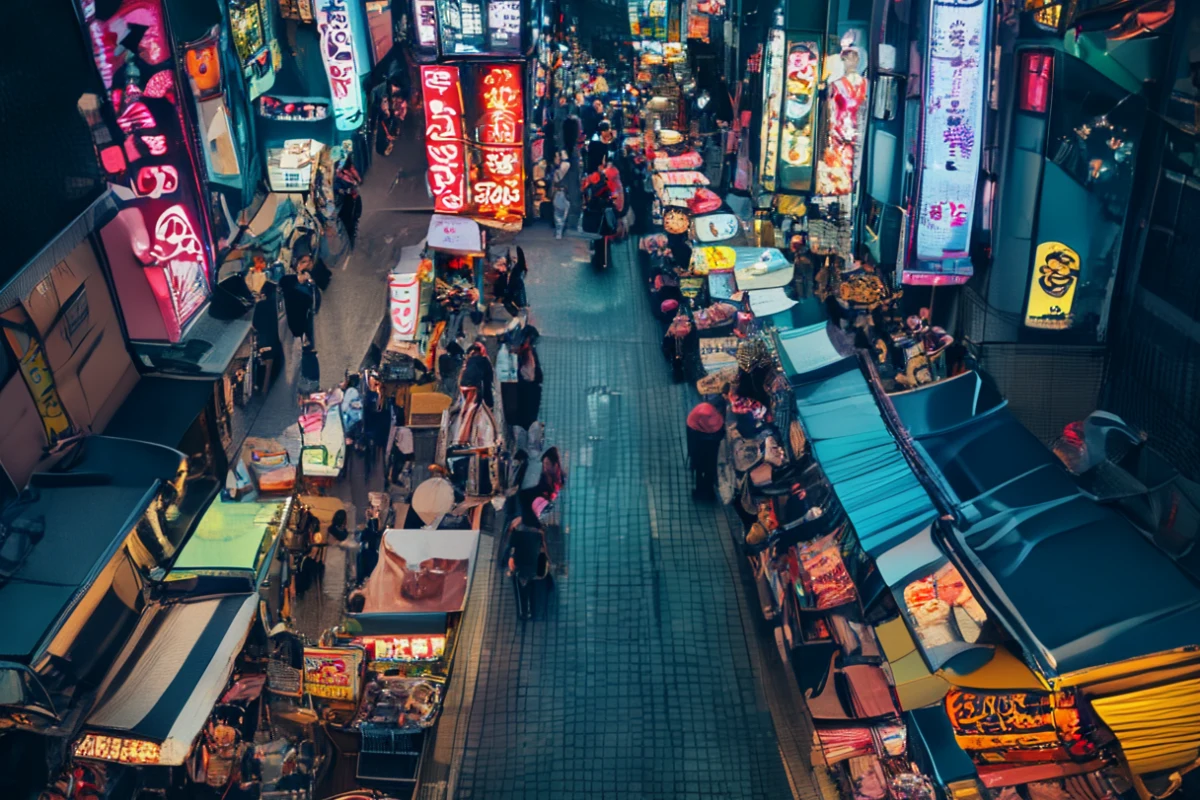
Why Dotonbori is the Epicenter of Osaka’s "Kuidaore" Culture
The neon lights of the Glico Man and the massive mechanical crabs overlooking the canal aren't just for show; they are the beacons of a city that lives to eat. In Osaka, the term *Kuidaore* describes the philosophy of spending all your money on delicious food until you go bankrupt.
According to World Bank data, Japan recorded an agricultural land share of 12.6% in 2023.
While it sounds reckless to an outsider, it represents a deep cultural commitment to the joy of the palate.
Walking through Dotonbori, you aren't just walking through a shopping district; you are walking through a living, breathing kitchen. The density of flavor here is unmatched globally. This 7-spot plan is designed to compress a full day of wandering into a focused 180-minute sprint.
By mastering the flow of the streets, you can move from the heavy, savory flavors of the main strip to the tucked-away gems of the side alleys without losing momentum.
The goal isn't to get "full" at the first stop. The goal is to manage your appetite like a professional. If you treat this like a standard dinner, you will fail. If you treat it like a tactical mission, you will conquer the district.
But how do you actually execute a multi-course street food marathon without crashing halfway through?
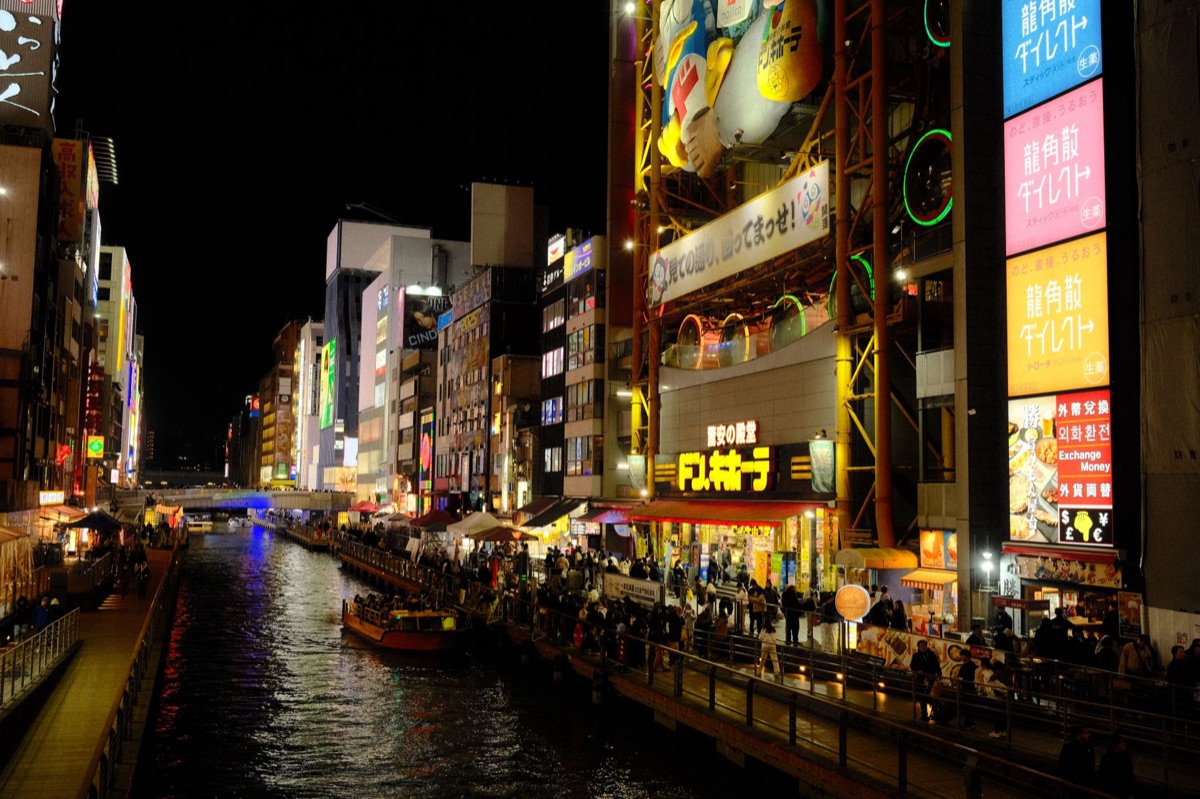
In what order should I eat my seven courses? At 6:00 PM, the humidity of the canal air hits your face as you stand at the edge of the Ebisubashi Bridge. The smell of dashi and fried batter is thick enough to taste. You take a deep breath, tighten your belt, and step into the crowd to begin the first leg of the journey.
Spot 1: The Icon Starter (Takoyaki) Start with a classic: Takoyaki. These octopus balls are the perfect "entry" food because they are served hot, fast, and in small portions. Look for a vendor with a high turnover and a line of locals.
The texture should be creamy on the inside and slightly crisp on the outside. This is a light hit to wake up your taste buds without filling you up too early.
Spot 2: The Savory Crunch (Kushikatsu) Move toward the narrower streets to find a Kushikatsu stall. These deep-fried skewers (meat, vegetables, or cheese) provide a satisfying crunch. Remember the golden rule of the dipping sauce: if you are at a shared-plate establishment, never double-dip.
This is a mid-itinerary boost that adds texture to your progression.
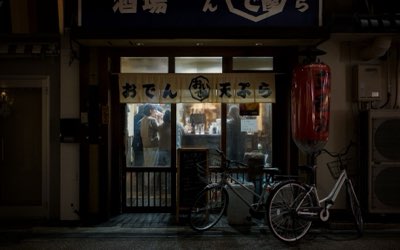
Spot 3: The Main Course Anchor (Ramen or Udon) By the second hour, you need a solid foundation. Find a small, steam-filled shop serving a rich tonkotsu ramen or a delicate dashi-based udon. This is your "fuel" stop.
Select a broth that is flavorful but not so heavy that it leaves you feeling lethargic. The salt and umami will provide the energy needed for the remaining stops.
Spot 4: The Seafood Burst (Small-Plate Sushi) Transition from the heavy broths to the freshness of the sea. Seek out a standing sushi bar (*tachigui*) where you can grab two or three pieces of high-quality nigiri.
This acts as a palate cleanser, moving you away from the fried and boiled flavors and toward something bright and clean.
Spot 5: The Sweet and Savory Bridge (Taiyaki or Okonomiyaki Mini-Pancake) As you move toward the final stretch, grab a small, warm snack like Taiyaki (fish-shaped cake with red bean or custard). This serves as a bridge between the savory meals and the final indulgence.
It keeps the blood sugar stable and prepares your palate for the final heavy hitters.
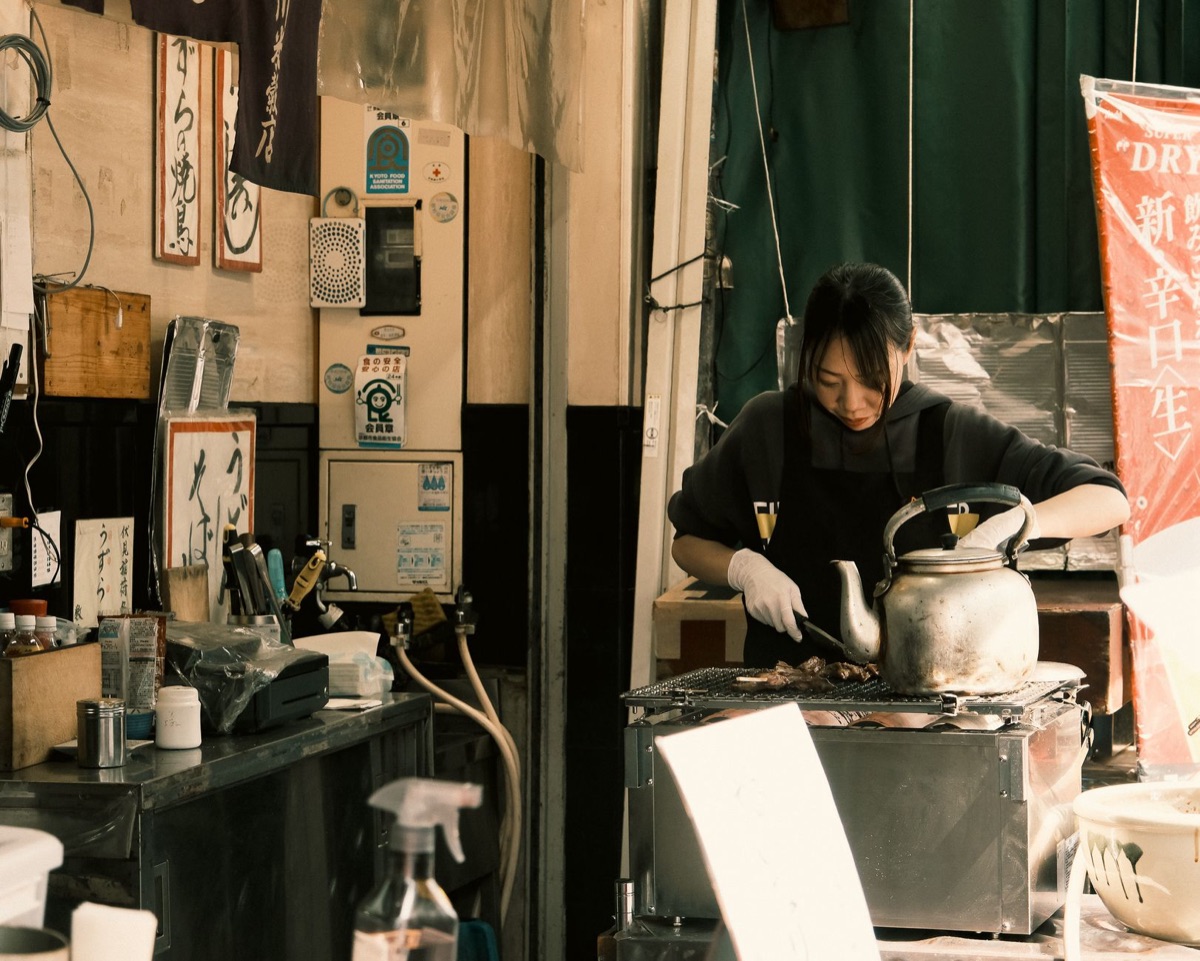
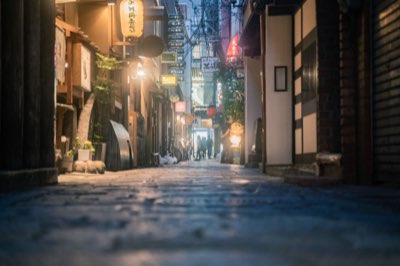
Spot 6: The Local Secret (Niche Street Snack) Duck into a side alley to find a specialized vendor—perhaps something like *Yakisoba* or grilled *Gyoza*. These smaller, niche shops often offer the most authentic flavors away from the main tourist drag.
It is a moment to experience the "hidden" side of Osaka's culinary density.
Spot 7: The Grand Finale (Signature Dessert or Specialty Drink) Finish your pilgrimage where the view is best. Whether it is a decadent matcha parfait or a specialized local sweet, the final stop should be a celebration.
This is the moment to sit, reflect on the flavors you've conquered, and enjoy the neon glow of the city one last time.
When I first attempted this route in the summer of 2025, I realized that timing is just as important as the menu. If you miss the window, the magic vanishes.
How can I find more food outside of Dotonbori? The neon lights of the canal fade into the distance as you walk toward the subway entrance, the taste of savory sauce still lingering on your tongue. You realize that while Dotonbori was a whirlwind, the city has much more to offer.
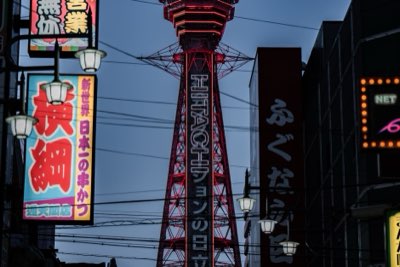
If you find yourself with extra energy, you can extend your journey. For a change of pace, a quick trip to the Shinsekai district offers a more nostalgic, gritty version of the food scene, perfect for those who want to dive even deeper into fried specialties.
Alternatively, heading toward the Umeda Sky Building provides a stunning architectural contrast and a more sophisticated dining atmosphere.
When planning your time, use the "20/45" rule. For quick street snacks, aim for 20 minutes per spot. For sit-down meals like ramen or sushi, allow 45 minutes. This prevents the "hunger crash" and ensures you aren't rushing through the cultural experience just to finish the list.
If the 3-hour window extends, use the extra time for "browsing" rather than "eating" to allow your digestion to catch up.
But even with a perfect plan, logistics can make or break your night.
Essential Survival Guide: Dining Logistics for Tourists
Standing in a long, winding line at a crowded corner, you watch the steam rise from a giant pot and realize that patience is just as important as appetite. You check your wallet and your watch, preparing for the logistics of the hunt.
The 3-Step Execution Checklist 1. Cash Readiness: Ensure you have at least ¥10,000 in small denominations before leaving your hotel. While 2025 and 2026 have seen an increase in digital payments, many of the best stalls in Dotonbori remain strictly cash-only. 2.
The "One-Dish" Rule: At every stop, order exactly one portion or one small plate. Over-ordering at the first stop is the most common way to ruin the entire itinerary. 3. Hydration and Walking: Carry a small bottle of water or grab a tea from a vending machine between stops.
The salt levels in Osaka cuisine are high, and staying hydrated is key to avoiding a mid-tour slump.
Payment and Ordering While many larger restaurants in Osaka accept credit cards and digital payments, the small-format street vendors and traditional stalls often operate on a cash-only basis. Always carry enough yen to cover your entire 7-spot itinerary.
When ordering, look for "ticket machines" at the entrance of many ramen shops; this is the standard way to order and pay quickly.
Pacing and the "Kudaore" Mindset The biggest mistake is eating too much too soon. The "Kudaore" mindset is about variety and discovery, not just volume. If you find yourself getting too full, skip the heavy starch and opt for a lighter seafood or vegetable option.
The goal is to taste the breadth of the city, not just the heaviest dishes.
The "Do Not Miss" Rule Beyond the specific 7 spots, always look for the "Umami" balance. Authentic Osaka food relies on the perfect blend of dashi (soup stock), soy sauce, and mirin. If a dish tastes deeply savory and leaves a pleasant lingering aftertaste, you have found the real deal.
| Food Category | Typical Price Range (JPY) | Best Time to Eat |
|---|---|---|
| Street Snacks (Takoyaki/Taiyaki) | ¥400 - ¥700 | Anytime |
| Small Plates (Kushikatsu/Gyoza) | ¥500 - ¥1,000 | Evening |
| Main Meals (Ramen/Sushi) | ¥800 - ¥1,500 | Lunch/Dinner |
| Specialty Sweets | ¥500 - ¥900 | Post-Meal |
FAQ
Q: Can I skip a spot? A: Absolutely. If you find a vendor you absolutely love, stay and enjoy it. However, skipping too many spots breaks the "narrative" of the journey, which is designed to take you through a specific progression of flavors.
Q: What if I am vegetarian or vegan? A: Traditional Osaka food relies heavily on fish-based dashi and pork. While it is harder to follow a strict 7-spot route, you can substitute seafood/meat stops with vegetable-heavy options like grilled corn, tempura, or certain types of mochi and sweets.
Q: How much should I budget for this 3-hour run? A: For a full 7-spot experience, expect to spend between ¥4,000 and ¥6,000 per person. This covers a mix of light snacks and more substantial small plates.
The sun sets over the Yodo River, and the city begins to glow. You have conquered the flavors of Dotonbori, and the journey has only just begun.

Comments 0