Osaka, Kyoto, Kobe: The Soul of Japan in Keihanshin Today
"To understand the soul of Japan, one must look beyond the neon of Tokyo and toward the sprawling, rhythmic heartbeat of the Kansai region."
Keihanshin is not just a collection of cities; it is a massive, interconnected urban engine that serves as the cultural and economic counterweight to Tokyo.
For the traveler, it represents a shift from the polished, punctual perfection of the capital to a more soulful, gritty, and flavor-packed reality.
Key Takeaways
* Massive Scale: Keihanshin is the second-most-populated urban region in Japan, acting as a self-contained megalopolis. * Economic and Cultural Engine: The region blends heavy industrial roots with a world-class culinary and entertainment identity. * Distinct Identity: Unlike the centralized feel of Tokyo, Keihanshin offers a diverse mix of urban density and historical depth. * Strategic Transit: Navigating this dense web requires understanding the relationship between core cities and outlying municipalities.
How Vast is Keihanshin? Defining its Scale vs. Tokyo’s
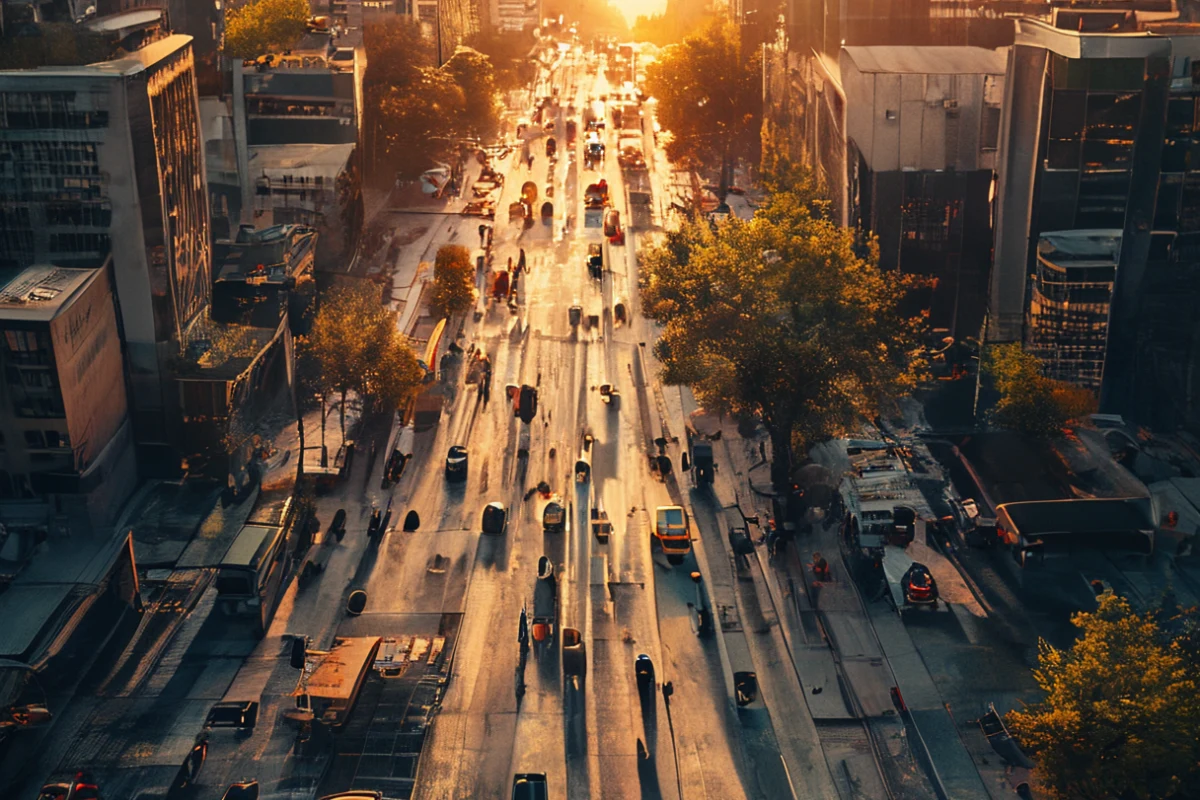
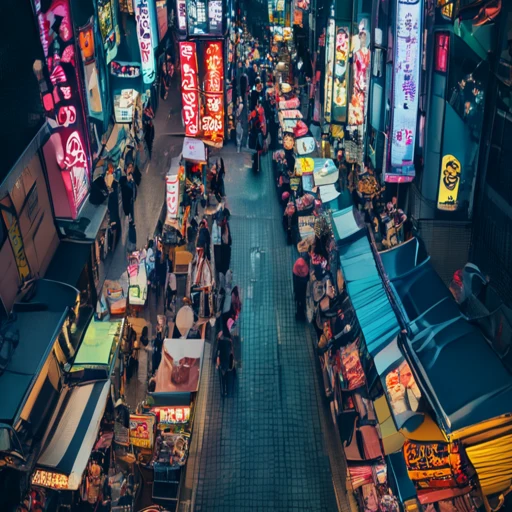
Standing at the edge of the Umeda Sky Building at dusk in 2026, watching the lights stretch toward the horizon, you realize the city doesn't just end—it transforms. The urban sprawl feels infinite, a sea of lights that blurs the lines between Osaka, Kyoto, and Kobe.
The sheer scale of this region is staggering when compared to the rest of the country. While Tokyo often captures the world's attention, Keihanshin represents a massive, functional urban cluster that operates with its own internal logic and momentum.
According to World Bank data, Japan recorded a total population of 123,366,734 in 2025. Within this national framework, the Keihanshin area stands as a titan. The entire region has a population of 19,302,746 over an area of 13,228 km2 (5,107 sq mi) as of 2015, according to Wikipedia.
This density creates a unique environment where residential life and industrial hubs are tightly woven together.
When I first sat on a crowded Hankyu line train, watching the residential blocks of Takatsuki blur past the industrial outskirts of Osaka, the sheer continuity of the built environment was overwhelming.
This isn't just a sprawling suburb; it is a concentrated powerhouse. The economic and social gravity of the area pulls in millions, creating a self-sustaining ecosystem that thrives independently of the capital. But how exactly do these massive cities function as a single unit?
How is the Keihanshin megalopolis structured? Walking through the crowded corridors of Namba Station at 8:30 AM, the synchronized chaos of commuters reminds you that you are in the center of a living organism. People move with purpose, yet there is a distinct local rhythm that differs from the frantic pace of Tokyo.
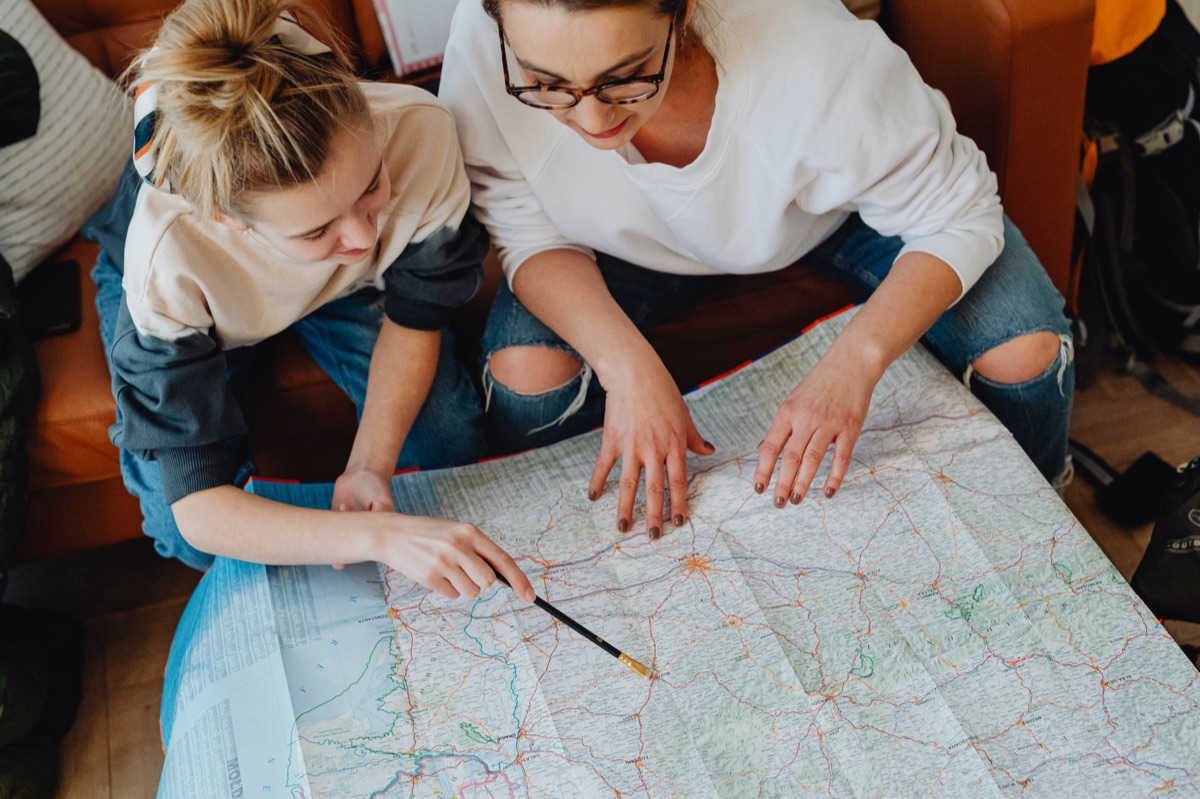
The structure of Keihanshin is defined by its hierarchy and its connectivity. It is not a single monolithic city, but a collection of highly integrated urban centers that function as one.
It is the second-most-populated urban region in Japan, following only the Greater Tokyo Area, and it contains approximately 15% of Japan's total population. This concentration makes it a vital hub for the nation's demographic and economic life.
The relationship between the center and the periphery is also key to understanding its structure. Outlying areas are those municipalities where 10% or more of the employed population work in the core area or in another outlying area.
This creates a constant flow of people and resources between the urban hearts and the residential outskirts. This constant movement is fueled by a foundation that goes much deeper than just offices and transit.
What are Osaka's industrial and economic roots? Stepping into a small, family-run workshop in the industrial outskirts of Osaka, the smell of machine oil and the sound of precision tools tell a story of hard work and innovation. This is the backbone of the region.
While many see Osaka as a mere playground for food and shopping, its foundation is built on industrial strength and manufacturing. The region has historically been a leader in production, driving the economy of the Kinki region and beyond.
The industrial output and the presence of small and medium-sized enterprises (SMEs) provide a level of economic stability and diversity that is rare in purely service-oriented cities.
This industrial legacy has shaped the urban landscape, from the logistics hubs to the specialized manufacturing districts.
The economic weight of the area is significant. The Kinki region's share of the national output is a testament to the productivity of its residents and the strength of its industrial sectors. This economic engine supports the massive population and fuels the constant movement of the Kansai region.
But for the visitor, the industrial reality often masks the vibrant cultural life happening just blocks away.
The Modern Traveler’s Lens: Tourism & Cultural Flow
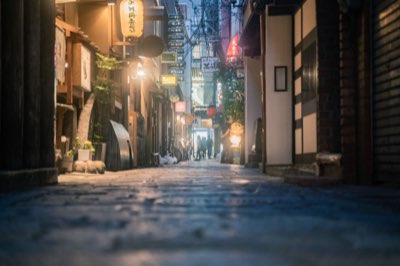
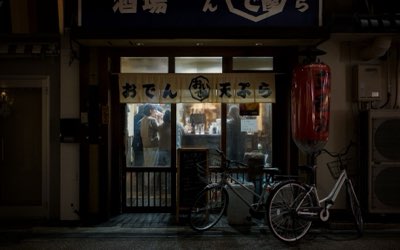
Sitting at a tiny wooden counter in a narrow alleyway in Shinsaibashi, steam rising from a bowl of ramen and the sound of laughter filling the air, you realize that the "culture" here is something you taste and feel.
The influx of visitors to Keihanshin is a constant, driving the local economy and shaping the modern identity of the cities. Travelers are drawn to the blend of high-tech urbanism and deep-seated traditions.
The cultural DNA of the region is distinct. From the *kuidaore* (eat until you drop) philosophy in Osaka to the refined traditions of Kyoto and the cosmopolitan vibe of Kobe, the area offers a multifaceted experience.
The scale of tourism is notable. For context, the World Bank recorded that Japan saw 4,115,800 international tourist arrivals in 2020. While numbers fluctuate globally, the pull of the Kansai region remains a constant force in Japanese tourism.
To make the most of this sprawling area, you need a plan.
How to Navigate the Keihanshin Triangle
- Choose a Base City: Select Osaka for nightlife and central transit, Kyoto for traditional architecture, or Kobe for scenic coastal views and a relaxed pace.
- Master the Rail Lines: Use the JR lines for long-distance travel and private lines like Hankyu or Hanshin for quick hops between the three main cities.
- Time Your Travels: Aim to move between cities during mid-morning or mid-afternoon to avoid the peak commuter rush seen between 7:30 AM and 9:00 AM.
- Use a Transit Card: Load an IC card (like Suica or Icoca) to allow seamless transfers between different private and public rail operators.
- Balance the Itinerary: Dedicate at least three days to each major hub to prevent "travel fatigue" from the dense urban environment.
| Feature | Greater Tokyo Area | Keihanshin Region |
|---|---|---|
| Primary Identity | Global Financial/Political Hub | Cultural/Industrial/Culinary Hub |
| Atmosphere | Polished, Fast-Paced, Centralized | Soulful, Diverse, Rhythmic |
| Economic Driver | Corporate HQ & Service Sector | Manufacturing, Tourism, & Trade |
| Cultural Vibe | Trendsetting & Globalized | Traditional Meets Modern *Manzai* |


Comments 0