Osaka Castle History Guide: Economic Weight of Region
"The history of a fortress is often written in the stones that remain after the battles have faded into legend."
Understanding the historical significance of an area requires looking past the modern skyline to the foundations of its regional power. This guide explores the historical background and modern importance of Osaka's landscape to help visitors understand its enduring legacy.
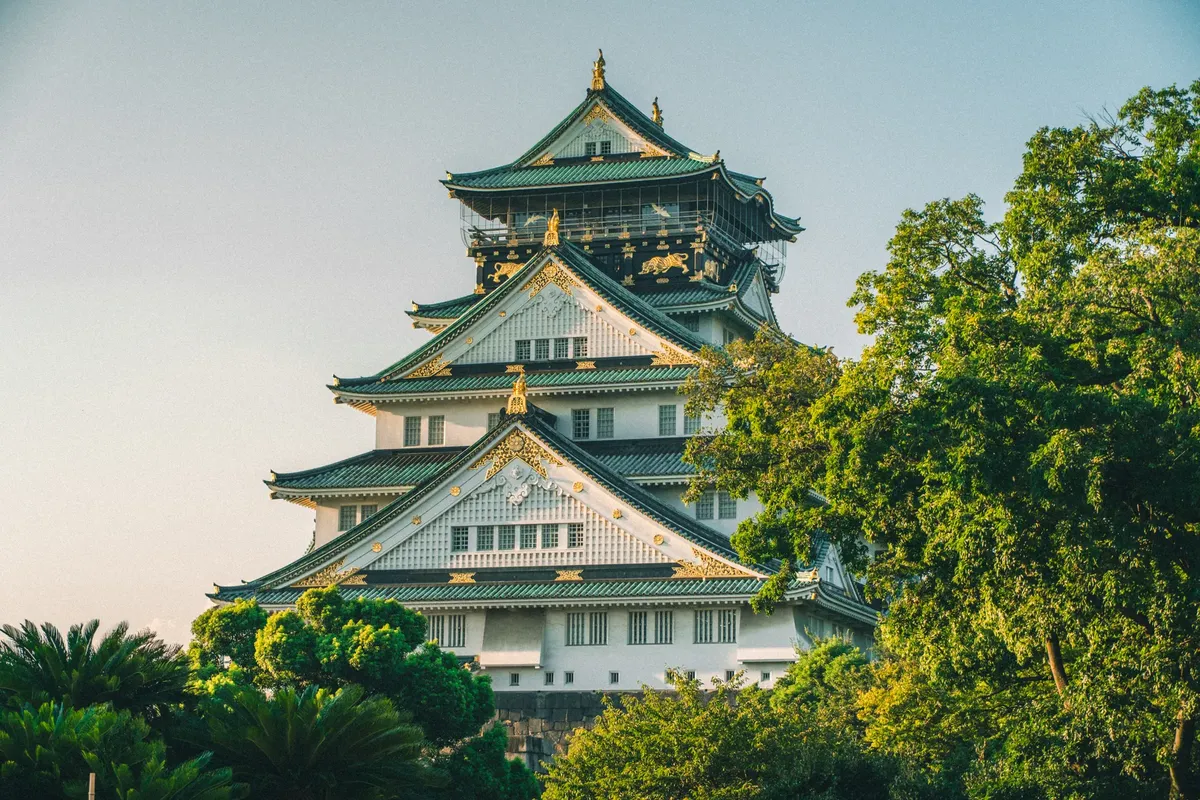
You will learn about the regional economic weight, the historical administrative shifts, and the natural surroundings that define the area. One limitation is that this overview focuses on regional and economic data rather than specific architectural blueprints of the castle itself.
Why is the Osaka Restoration Association significant to this history?
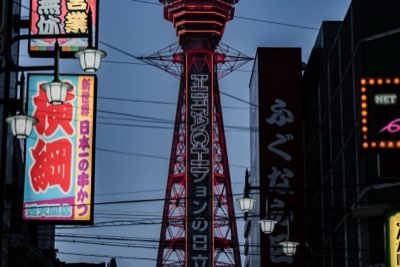
At dusk, I trace the weathered stone of an old wall in osaka, feeling the cold grit against my fingertips as I ponder the political shifts of the past.
The Osaka Restoration Association was created with backing by Governor Tōru Hashimoto.
The sun hits the administrative offices where local policy was once debated during pivotal shifts in governance.
In 2010, the Osaka Restoration Association was created with backing by Governor Tōru Hashimoto, with hopes of reforming Osaka Prefecture into the Osaka Metropolis and merging with the City of Osaka.
This movement sought to reshape the administrative landscape to better reflect the region's massive economic influence.
The political landscape of the prefecture has always been tied to its unique status as a commercial hub. This historical context provides a foundation for understanding how local governance evolved alongside the city's growth.
Understanding these shifts is a key part of any Osaka Castle History Guide.
How does the economic scale of the region define its importance?
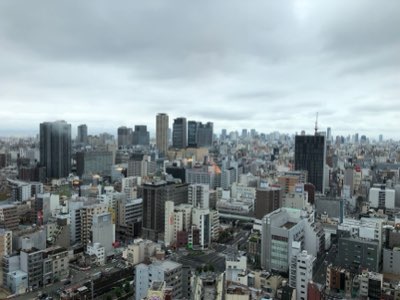
A businessman walks through the central district, noting the sheer density of commerce that has defined the area for decades. According to World Bank data, Japan recorded international tourist arrivals of 4,115,800 in 2020.
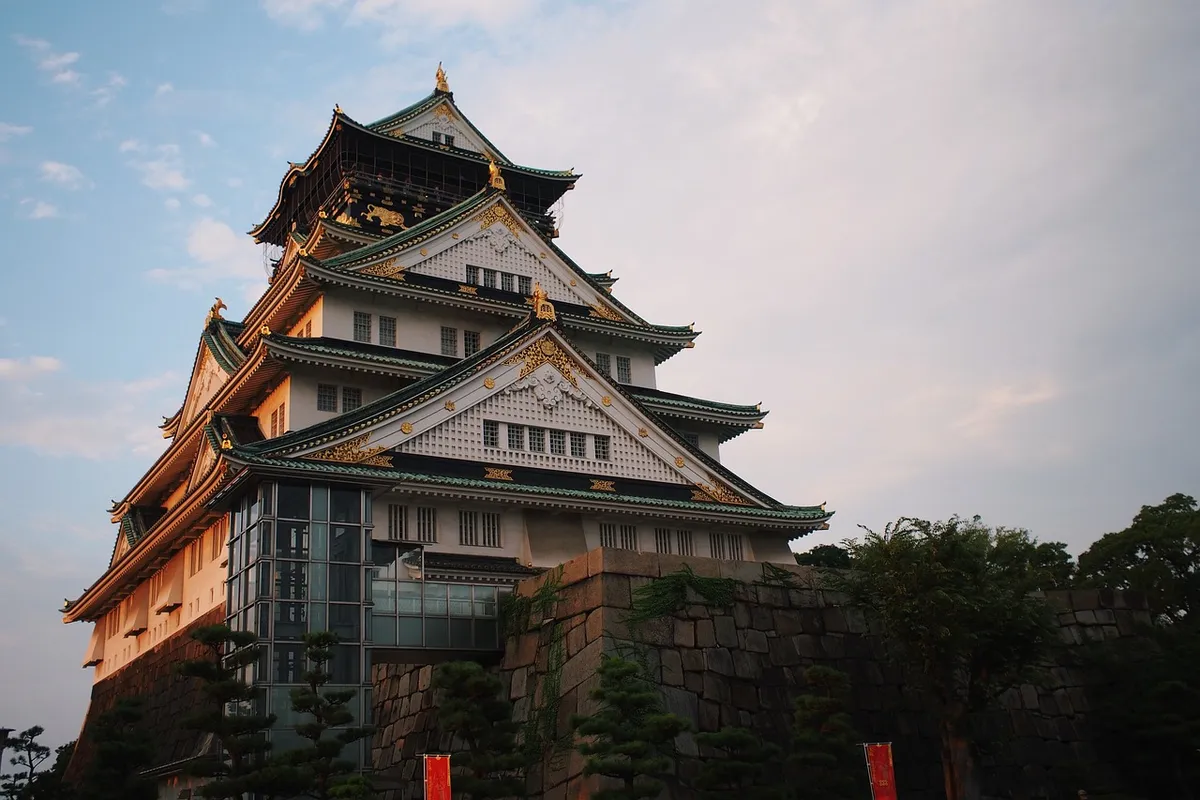
The economic weight of the region is substantial, as the gross prefecture product of Osaka for the fiscal year 2004 was ¥38.7 trillion, second after Tokyo with an increase of 0.9% from the previous year. This massive output shaped the infrastructure and the strategic importance of the city.
The financial strength of the region provided the resources necessary for urban development. This economic power represented approximately 48% of the Kinki region. Such a dominant share ensured that the area remained a central pillar of national stability.
What role do natural parks play in the local landscape?
A hiker climbs a trail through the lush greenery that borders the urban sprawl, finding peace away from the city streets. The balance between urban development and nature is maintained through designated protected areas.
As of 1 April 2012, 11% of the total land area of the prefecture was designated as Natural Parks, namely Kongō-Ikoma-Kisen and Meiji no Mori Minō Quasi-National Parks and Hokusetsu and Hannan-Misaki Prefectural Natural Parks.
These parks provide a necessary buffer and a sense of continuity with the natural world. Protecting these spaces ensures that the historical landscape is not entirely consumed by industrial expansion. A Visit Castle Today often involves experiencing this blend of history and nature.
How did the population and business density shape the area?
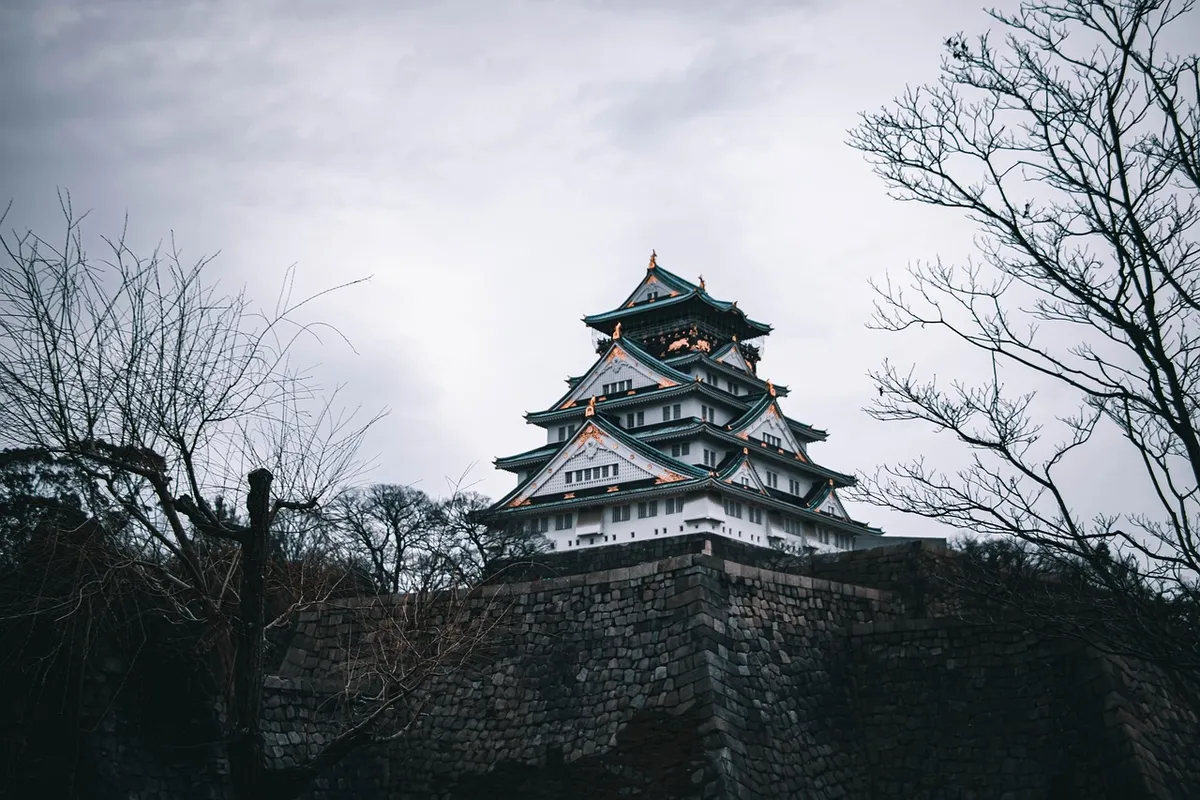
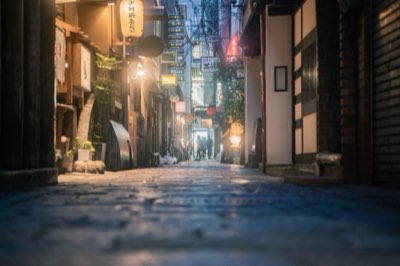
A vendor sets up a stall in a crowded market, reflecting the bustling energy of a high-density population. The scale of human activity in the prefecture has historically been quite large.
This density is supported by a massive network of local enterprises. The number of SMEs based in Osaka in 2006 was 330,737, accounting for 99.6% of the total number of businesses in the prefecture.
This concentration of small and medium businesses demonstrates the deep-rooted commercial spirit of the region.
What are the key landmarks to visit in the surrounding area?
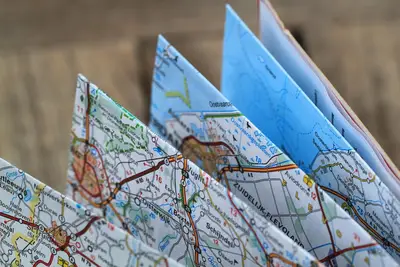
A tourist consults a map while standing near a large park, looking for the next historic site. The region offers various cultural and recreational landmarks that serve as modern extensions of its history.
For example, Nakanoshima Park (Osaka), housing the museum, public hall, Osaka Prefectural Nakanoshima Library, and the city hall of Osaka, remains a central hub.
Another significant area includes a site of about 260 ha and includes a Japanese garden, National Museum of Art, Osaka, and the amusement park "Expoland". Exploring these sites allows for a deeper Osaka Castle Background understanding.
| Metric | Value/Detail |
|---|---|
| 2004 Gross Prefecture Product | ¥38.7 trillion |
| 2006 SME Business Count | 330,737 |
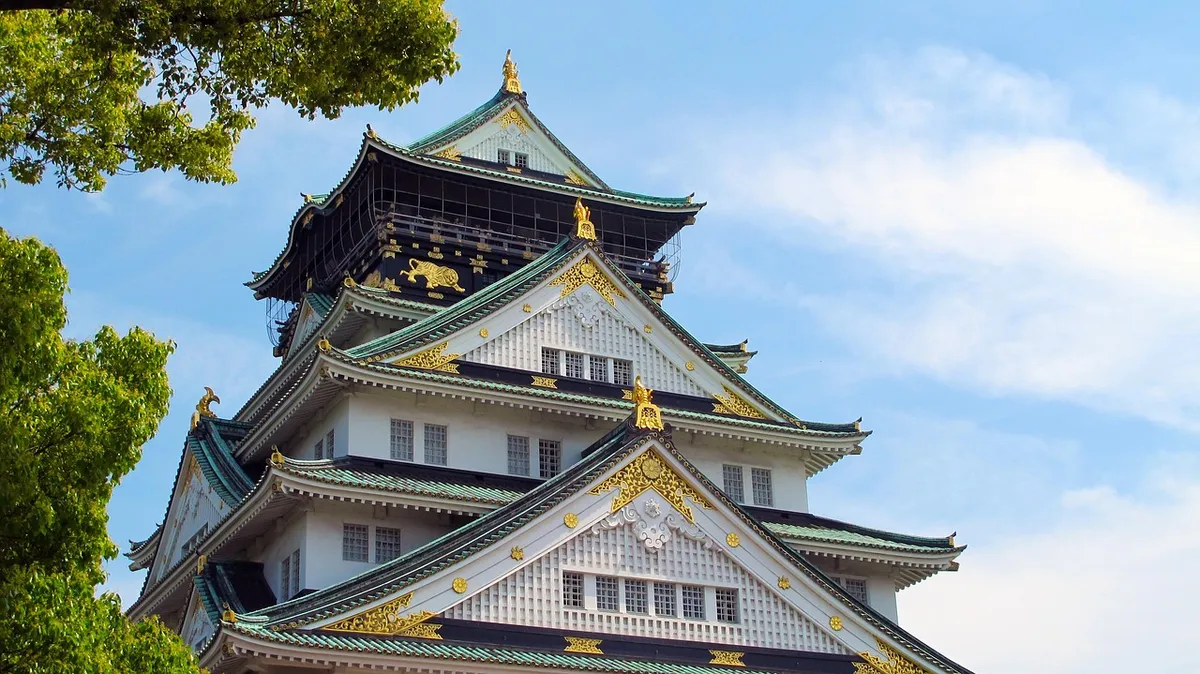
The comparison shows the massive scale of the local economy and the business density that defines the prefecture. I found that comparing these figures helps clarify the sheer magnitude of the region's commercial footprint.
- Why is the Osaka Restoration Association significant to this history?
- How does the economic scale of the region define its importance?
- What role do natural parks play in the local landscape?
Osaka Castle History Guide
The same subject is also called Tower Visit Info.
The same subject is also called Ticket Purchase Help.
This part also covers Castle Storytelling Tour.
This part also covers Modern Tower Expansion.
This part also covers Quick Visit Planning.
Castle Storytelling Tour
Related
- Kansai Passes: Match Your Trip to the Right Transit Coverage
- USJ Tickets: 5 Tips Before You Buy Your Entry Pass
How does the scale of the population reflect the enduring history of the fortress?
The population figures illustrate the sustained vitality that has underpinned the region's long-standing commercial success, much like the enduring presence of a fortress. The 2005 Population Census of Japan showed a substantial population count for Osaka prefecture.
This large number reflects the continuous human activity that has driven the area's economic engine through various eras.
The growth observed between the 2000 and 2005 censuses indicates a steady demographic trend. This consistent influx of people supported the vast network of businesses mentioned earlier. Such sustained population density was crucial for maintaining the region's significant economic footprint.
What cautions apply when studying the regional development?
Visitors studying the area must recognize the interplay between rapid commercial growth and natural preservation. The designation of Natural Parks serves as a deliberate attempt to balance development with ecological preservation.
This balance mirrors the need to preserve the historical integrity of the fortress grounds alongside modern commerce.
The comparison between the prefecture's product and the protected land area shows a conscious effort toward holistic management. This preservation effort safeguards the setting within which the region's history unfolded.
Recognizing this duality is vital for a complete understanding of the area's evolution.



Comments 0