Osaka & Kobe Drive Trade: 15% of Japan's Population Base
"The heartbeat of Japan's commerce doesn't just pulse in Tokyo; it thrums through the massive, interconnected engine of the Keihanshin region."
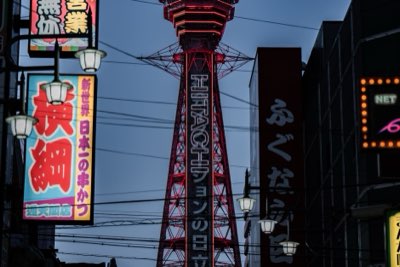
While travelers often see only the neon lights of Dotonbori or the scenic harbor of Kobe, they are actually walking through one of the most concentrated economic powerhouses in Asia. Understanding the sheer scale of this region reveals why it remains a global titan of trade and consumption.
* Primary Function: A massive industrial and consumption hub serving as Japan's second-largest economic engine. * Demographic Scale: A massive urban sprawl housing approximately 15% of Japan's total population. * Comparative Advantage: A high-density manufacturing and commerce center that acts as a counterbalance to Tokyo. * Modern Relevance: A critical gateway for international trade and tourism that drives national-level growth.

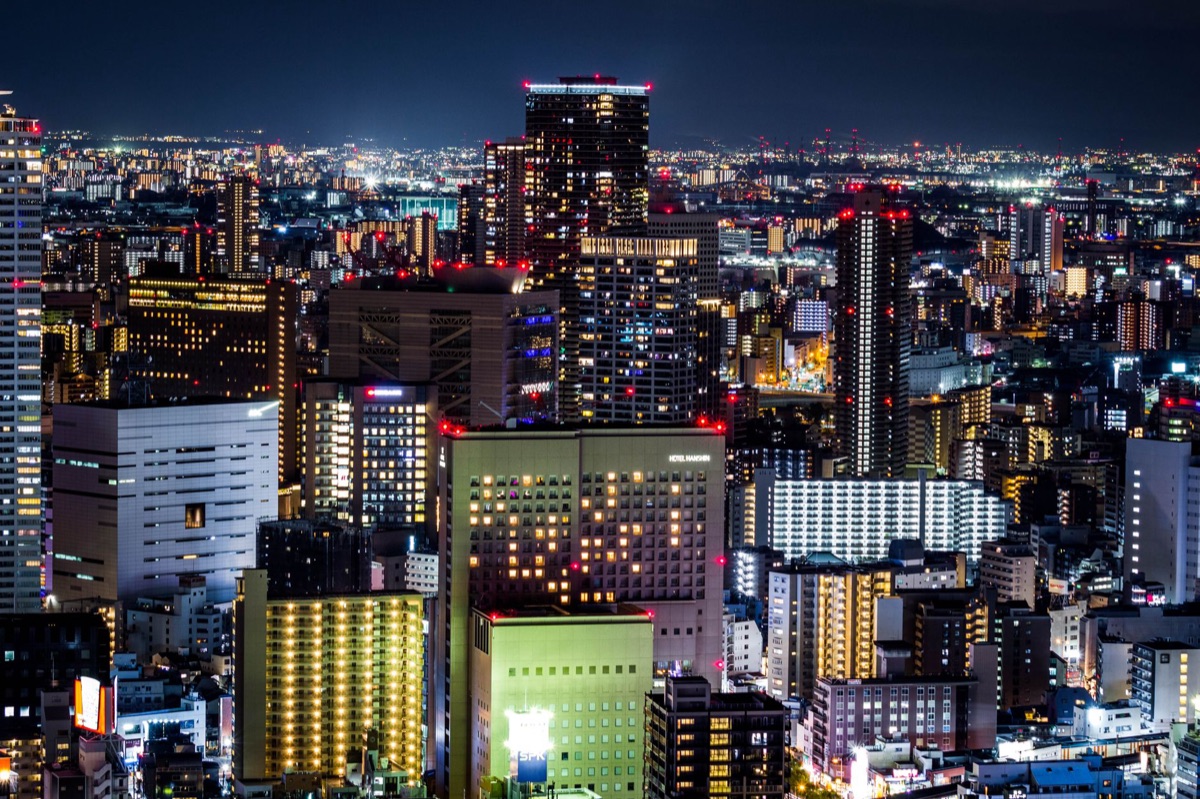
How big is the Keihanshin area geographically and socially? At dawn, I gripped the cold railing of the observation deck and stared out at the endless sea of rooftops stretching toward the hazy horizon.
I remember standing atop the Umeda Sky Building during a clear morning, looking out over a sea of buildings that seemed to stretch toward the horizon without end. It wasn't just a city; it felt like a continuous, breathing organism of concrete and commerce.
The scope of this region is staggering when you look at the numbers. According to Wikipedia, the entire Keihanshin region had a population of 19,302,746 over an area of 13,228 km2 (5,107 sq mi) as of 2015.
This makes it the second-most-populated urban region in Japan, trailing only the Greater Tokyo Area.
This isn't just a collection of separate cities; it is a unified economic force. The region contains approximately 15% of Japan's total population, creating a density that fuels constant movement and trade. This massive human capital is the foundation of its economic gravity.
The relationship between the land and its people is deeply rooted in its geography.
While much of the area is urban, the land itself has historical significance, such as the 11% of Osaka Prefecture's land area designated as Natural Parks, including Kongō-Ikoma-Kisen and Meiji no Mori Minō Quasi-National Parks, as noted by Wikipedia.
This blend of high-density living and preserved natural space defines the unique character of the Kansai region. But how does this massive population translate into actual industrial power?
How Does the Regional Economy Drive National Output?
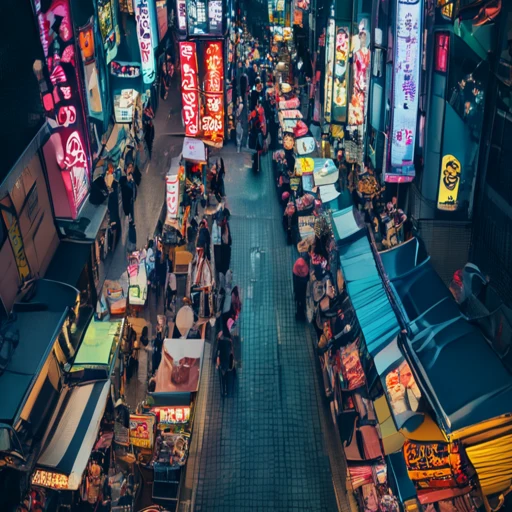
In the narrow Shinsaibashi alleyway, the smell of street food mingled with the roar of passing trucks during the midday rush.
Walking through the narrow, bustling alleys of Shinsaibashi, I watched delivery trucks, small-scale workshops, and massive corporate headquarters all operating in a tight, efficient dance. It felt like watching a giant machine where every small gear was just as vital as the largest piston.
The economic weight of this area is a primary driver of Japan's national output. While specific real-time GDP shifts fluctuate, the sheer volume of activity within this 19-million-person zone acts as a stabilizer for the national economy.
The industrial backbone is particularly strong in Osaka, where a high concentration of Small and Medium-sized Enterprises (SMEs) provides the specialized manufacturing that fuels global supply chains.
This high manufacturing output from SMEs makes the region indispensable to Japan's industrial identity.
The scale of these businesses is not just local; it is global. The specialized manufacturing sectors in Osaka and Kobe contribute significantly to the national trade balance, often producing high-tech components and consumer goods that are exported worldwide.
This synergy between massive corporate entities and specialized local workshops creates a resilient economic ecosystem. However, the sheer size of the industrial sector masks a different kind of economic energy found in the city center.
How vibrant are Osaka's core markets beyond just GDP? I sat in a quiet cafe in Namba, sipping tea and looking at a local newspaper, realizing that the numbers on the page represented the lives of millions of people just outside my window. The sheer volume of commerce happening in this single district is almost impossible to visualize.
The economic power of Osaka has a documented history of strength. For instance, the gross prefecture product of Osaka for the fiscal year 2004 was ¥38.7 trillion, which was second only to Tokyo, according to Wikipedia.
This historical baseline shows that Osaka has long been a leader in Japanese commerce. Even as the nation's economic landscape shifted, Osaka maintained its position as a primary market for trade and consumer goods.
The growth of the region is closely tied to its role as a commercial hub. With a population that makes up a significant portion of the country, the internal market for goods and services is massive, providing a stable base for local businesses.
This constant flow of capital and commerce ensures that the region remains a leader in national economic activity. But while the industrial and commercial sectors provide the foundation, a new driver has changed the face of the streets.

The Modern Traveler’s View: Tourism vs. Trade Volume
Standing under the giant Glico Man sign in Dotonbori, surrounded by the smell of takoyaki and the sound of a thousand voices, I realized that tourism is not just a hobby here—it is a massive, high-velocity industry.
The transition from a purely industrial powerhouse to a global tourism magnet is evident in the arrival numbers. While global events caused fluctuations, looking back at data, Japan recorded 4,115,800 international tourist arrivals in 2020, according to the World Bank.
This influx of travelers represents a massive injection of capital into the local economy. The region acts as a consumption magnet, where tourism-driven spending supports everything from high-end hotels in Umeda to small family-run eateries in Shinsekai.
Modern economic drivers are now a mix of traditional trade and high-volume tourism. This dual-engine approach—manufacturing and service-based tourism—provides a level of economic diversity that many other regions lack.
The ability to balance these two sectors is what makes the Keihanshin area so economically robust. But how do we reconcile this industrial history with the modern lifestyle of the people living here?
Bridging Past Scale to Present Value
Looking back at the skyline of Kobe from a ferry, I thought about how the massive docks and the towering city represent a perfect marriage of historical trade and modern lifestyle. It is a testament to how a region can evolve without losing its fundamental strength.
The historical scale of the Keihanshin region has provided a foundation for its current resilience. The massive population and established infrastructure created a momentum that continues to drive growth today.
This region serves as a vital gateway, both for maritime trade through its ports and for the global travelers who arrive at its airports. This connectivity is a direct result of its historical development as a trade hub.
Understanding this deep economic base is essential for anyone looking to understand the future of Japan. The scale of this region is not just a number; it is a living, breathing force that shapes the nation's trajectory.
| Feature | Keihanshin Scale | Comparison to National Average |
|---|---|---|
| Population | ~19.3 Million | ~15% of Japan's Total |
| Primary Driver | Manufacturing & Tourism | High-density commerce |
| Economic Role | 2nd Largest Urban Hub | Major counterbalance to Tokyo |
Summary of Economic Scale
- Identify the Scale: Recognize that 19 million people create a massive, self-sustaining market.
- Analyze the Mix: Understand that the economy relies on both high-tech manufacturing and high-volume tourism.
- Evaluate the Impact: See how this regional strength acts as a stabilizer for the entire Japanese economy.
Note on Regional Dynamics It is important to note that while the Keihanshin region is an economic titan, it is not immune to the demographic shifts affecting all of Japan.
The aging population and urban centralization toward Tokyo present ongoing challenges to long-term growth and labor availability.




Comments 0