Kushikatsu Guide: Best Spots in Osaka 4 cm
"A deep-fried skewer captures the essence of a bustling street, but finding the right one requires more than just hunger."
When searching for an Osaka Kushikatsu Guide, travelers should look for fresh ingredients and traditional preparation methods to ensure quality. This guide covers how to select a reputable spot, what to look for in regional variations, and how to navigate local dining environments.
You will learn about regional differences, how to evaluate a menu, and the limitations of seeking specific styles in different prefectures.
How to choose a Best Kushikatsu Spot?
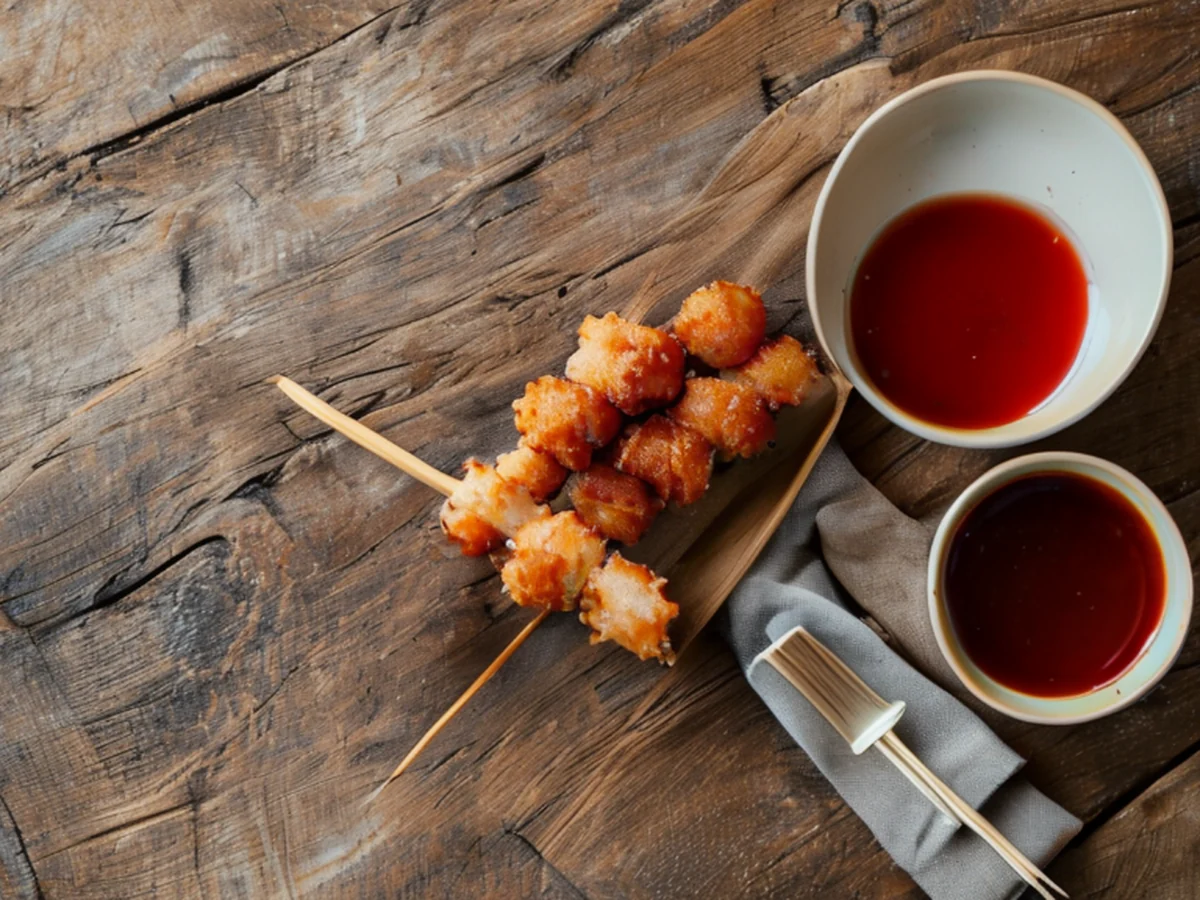
A diner walks into a small, steam-filled eatery and scans the menu for variety. Selecting a high-quality venue involves checking the freshness of the ingredients and the diversity of the skewer selection.
Finding a reliable place often involves observing the turnover rate of the kitchen. High turnover suggests that the ingredients are replenished frequently, which is vital for fried foods. A well-rounded menu should offer various proteins and vegetables to provide a balanced meal.
The search for the Best Kushikatsu Spot should prioritize shops that specialize in their craft rather than those offering overly broad menus. Many travelers find that smaller, specialized shops offer a more authentic experience than large-scale tourist restaurants.
How do I master Osaka's regional food styles? Osaka Kushikatsu Guide A traveler compares a menu in Tokyo with one in Osaka, noting the differences in meat cuts and vegetable pairings. Understanding regional nuances is a key part of an effective Osaka Food Tips strategy.
The basic kushikatsu in Kanto eastern Japan area including Tokyo is made with diced pork rib in 3–4 cm (1.5 in) cubes, skewered with sliced onions or leeks. This specific preparation style differs from the more common styles found in the Kansai region.

Understanding these variations helps travelers manage expectations when they move between different prefectures. For instance, the Kanto style focuses on specific cube sizes and vegetable pairings that might differ from the local Osaka preferences.
How to perform a Restaurant Check for quality?
A customer examines the texture of the breading and the oil clarity in a professional kitchen setting. A thorough Restaurant Check ensures that the dining experience meets basic quality standards.
One way to verify quality is to check the consistency of the frying technique. The breading should be light and crisp, not heavy or oily. Observing the staff's handling of the oil and the cleanliness of the service area can also provide clues about the kitchen's standards.
A successful Restaurant Check involves looking for places that maintain a balance between traditional techniques and modern hygiene. If a shop focuses on specific seasonal ingredients, it often indicates a higher level of culinary attention.
How can I find the best places to eat? A person walks through a crowded market, looking for the scent of fresh frying and the sound of a busy kitchen. Following a guide to finding a good eatery involves moving beyond the most famous landmarks. According to World Bank data, Japan recorded 4,115,800 international tourist arrivals in 2020.
Instead of following the crowds to the most famous tourist traps, look for local favorites where residents dine. These spots often provide better value and more authentic flavors.

You can use local maps and neighborhood layouts to discover hidden gems that are not listed in major international guides.
When you are looking for a way to Find Good Eatery options, look for signs of local patronage. A place that is popular with the local community is often a safer bet for quality than a place designed solely for transient visitors.
What are the Dining Etiquette Tips for fried foods?
A diner carefully picks up a skewer, ensuring they do not double-dip into the communal sauce. Learning Dining Etiquette Tips is essential for respecting local customs and maintaining hygiene.
One of the most important rules in many traditional shops is the "no double-dipping" policy. If a communal sauce is provided, each skewer should be dipped only once. This practice keeps the sauce clean for all guests and is a hallmark of polite dining in shared environments.
Practicing these tips shows respect to the staff and other customers. It also ensures that the flavors of the food remain untainted by repeated contact with the sauce.
How to handle Choosing Kushikatsu for different diets?
A guest with dietary restrictions asks the server about the ingredients used in the batter. The process of Choosing Kushikatsu requires careful communication to ensure the meal is safe and enjoyable.
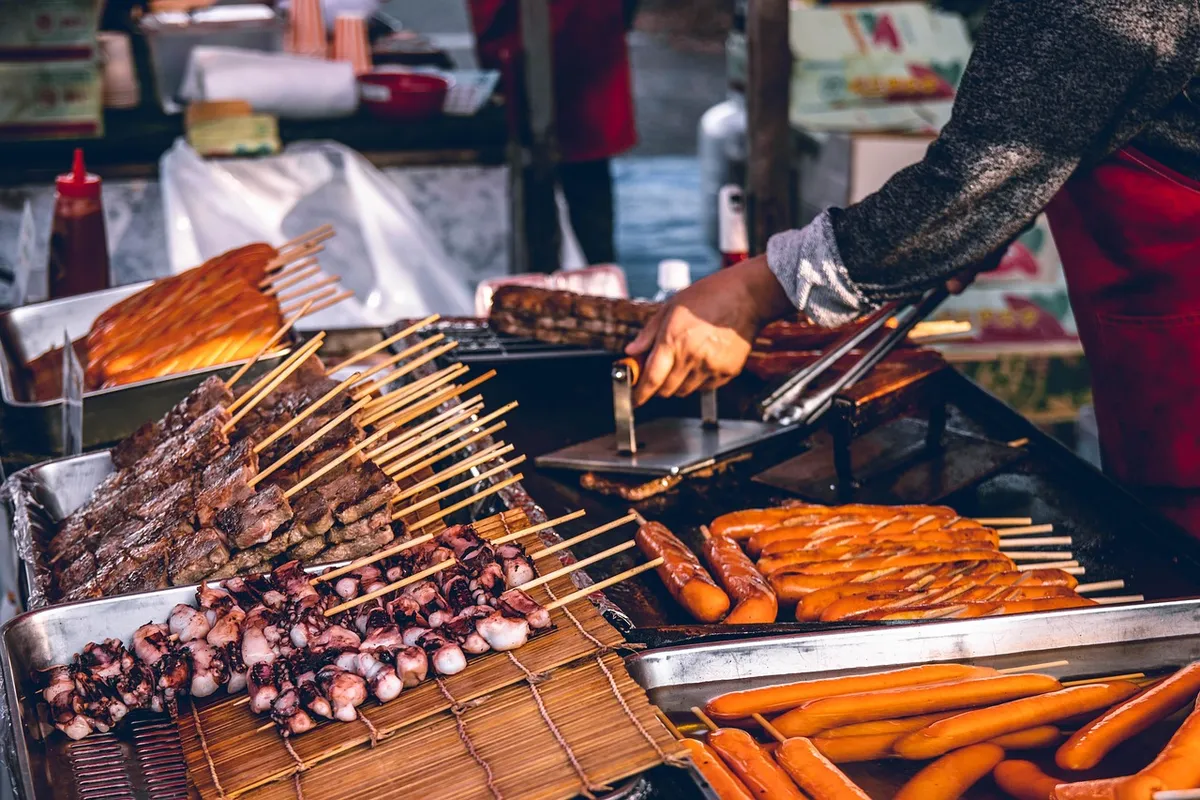
Some shops use flour-based batters that may not be suitable for everyone. It is important to ask about the specific ingredients used in the breading or the types of oils employed for frying. This is particularly important for those with allergies or specific dietary preferences.
I once had to ask a server about the vegetable contents to ensure the skewer met my needs. Always communicate clearly with the staff about any requirements before ordering.
A limitation of this selection process is that specific regional styles, such as the Kanto style using 3–4 cm (1.5 in) pork rib cubes, may not be available in every Osaka-based establishment.
The subject here is Osaka Kushikatsu Guide.
This part also covers Must Know Before Eating.
Related
- How does the geography of the region shape the city?
- How do you find authentic Osaka dining secrets?: 4 cm



Comments 0