How can I plan a Kyoto day trip from Osaka?
"The most efficient way to explore the Kansai region is to utilize the established rail connections departing from Osaka to its neighboring cities."
This guide covers transit logistics, historical context for rail travelers, and essential planning tips for local exploration.
* Plan around service gaps and peak hour frequencies. * Recognize the distance and connectivity between major hubs like Tokyo, Osaka, and Kobe.
How can I plan a Kyoto day trip from Osaka?
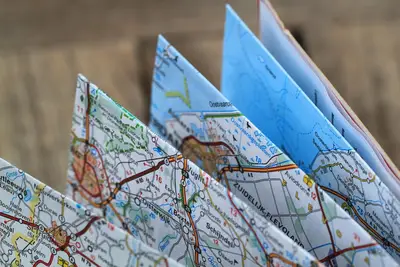
As the morning sun warms my face, I grip my paper map while standing on a bustling Osaka platform to plan my kansai journey toward Kyoto.
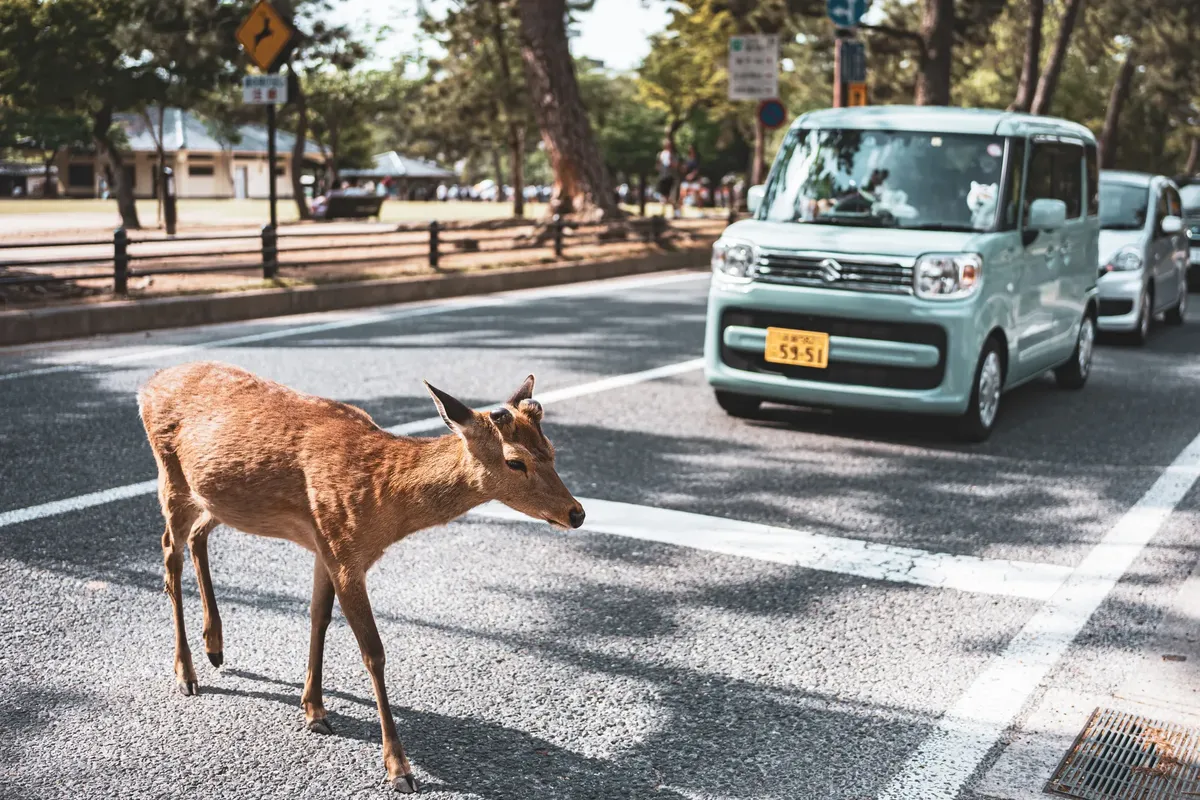
Planning a Kyoto day trip from Osaka involves understanding the proximity of these two historic hubs.
According to World Bank data, Japan recorded international tourist arrivals of 4,115,800 in 2020.
The rail connections between major cities have evolved significantly since the early 20th century. For instance, the Tōkaidō Main Line, which features termini at Tokyo and Kobe stations, is 589.5 km (366.3 mi) long, excluding various freight feeder lines.
This historical backbone of Japanese transit provides the foundation for many modern routes used for day trips.
The distance between major hubs has always dictated travel speed and frequency. In the past, a single Tokyo–Kobe train ran in each direction per day, taking over 20 hours each way. Today, these connections are much faster, allowing for seamless travel between cities like Osaka and Kyoto.
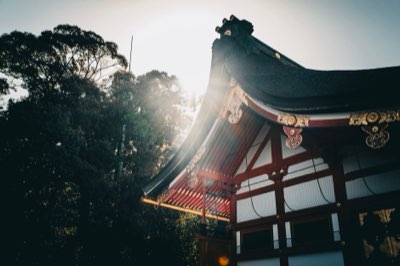
How can I best manage my trip from Osaka to Nara? The scent of incense drifts through the air as a traveler walks toward a historic temple in Nara. A Nara trip from Osaka is often defined by how easily one can navigate the local transit lines to reach ancient sites.
According to World Bank data, Japan recorded international tourist arrivals of 4,115,800 in 2020.
Historically, rail networks were much smaller and more localized. In 1906, all privately run main lines were nationalized under the newly created Japanese Government Railways, which at that time managed a network of just over 7,000 km (4,300 mi) of track.
This consolidation helped create the integrated system used for regional travel today.
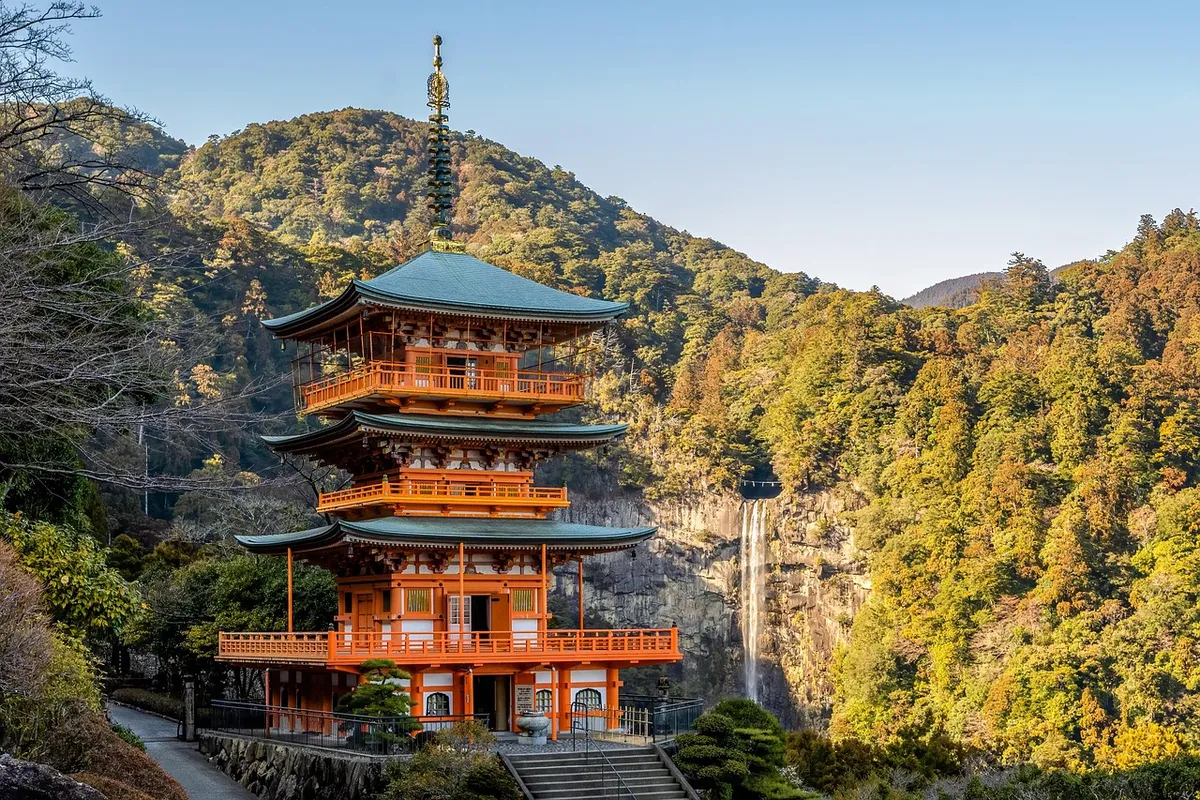
Travelers should be aware of service intervals when planning their route. In some areas, services operate approximately every 45 minutes during morning and evening peak hours, but there are large gaps between services of 2-3 hours during the day.
Checking schedules in advance prevents getting stuck in a city without frequent return options.
Is a day trip from Osaka to Kobe easy to organize? The sound of seagulls and the sight of the harbor define a morning spent in Kobe. A Kobe day trip from Osaka is one of the most common routes due to the directness of the rail lines. According to World Bank data, Japan recorded international tourist arrivals of 4,115,800 in 2020.
The efficiency of these routes was a primary driver for technological advancement. For example, the Tokyo–Osaka express trains, Tsubame and Hato, once used JNR EF58 locomotives to reduce travel time from 8 hours to 7 hours and 30 minutes.
Such improvements in transit speed paved the way for the highly efficient regional travel seen today.
Modern travelers benefit from the legacy of these speed improvements. Another service once further reduced travel time to 6 hours and 50 minutes. These historical benchmarks show how much focus has been placed on making inter-city travel efficient for passengers.
How do I handle a Wakayama day trip from Osaka?
The sight of mountains and coastal views greets a traveler arriving in Wakayama. A Wakayama day trip from Osaka often requires more careful scheduling due to the different nature of the branch lines and local routes.
According to World Bank data, Japan recorded international tourist arrivals of 4,115,800 in 2020.
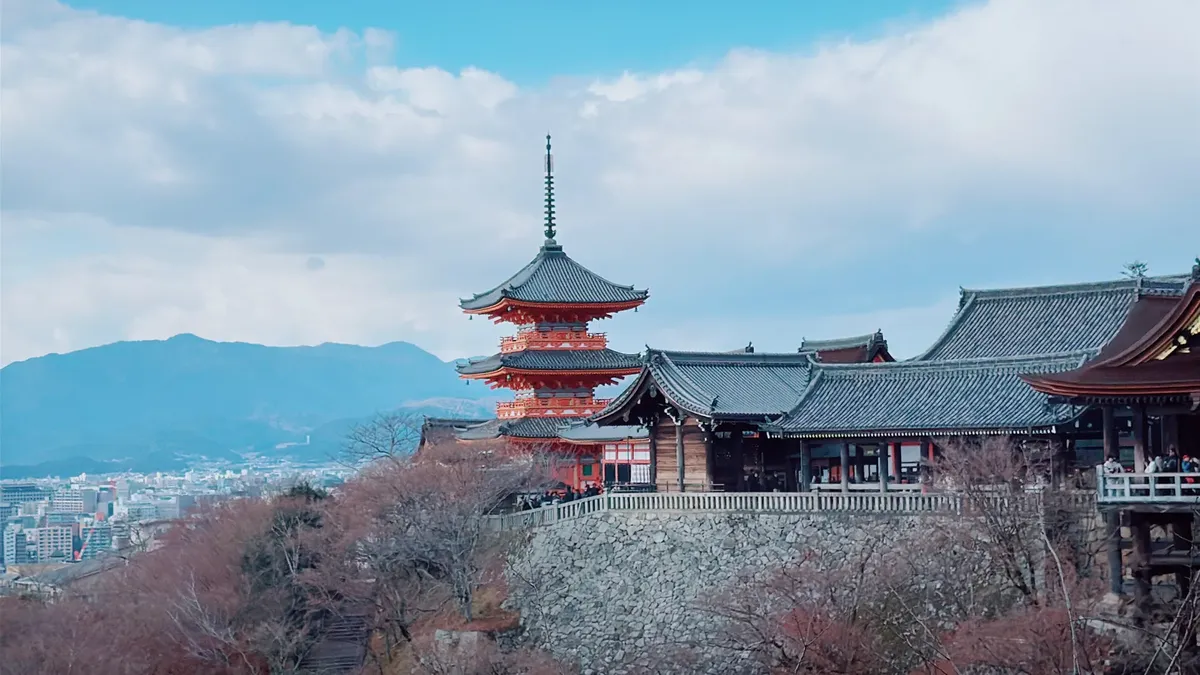
Branch lines often deviate from the main transit arteries. For example, the Mino-Akasaka and Tarui branch lines separate from the Main Line at Minami-Arao Junction, located 3.1 km west of Ōgaki Station.
Understanding these junctions is vital when navigating routes that move away from the primary urban centers.
Local transit can vary significantly from the high-speed main lines. While major lines are frequent, smaller routes may not offer the same level of service. Planning for these variations ensures a smooth journey through the more rural or coastal parts of the region.
What are the essential Osaka travel tips nearby?
A traveler adjusts their bag while looking at a map of the Kansai rail network. Applying Osaka travel tips nearby helps travelers navigate the complexities of Japanese rail systems effectively. According to World Bank data, Japan recorded international tourist arrivals of 4,115,800 in 2020.
| Historical Context | Transit Detail |
|---|---|
| 1906 Nationalization | 7,000 km (4,300 mi) of track |
| Tōkaidō Main Line | 589.5 km (366.3 mi) long |
When applying these tips to a real journey, follow these steps: 1. Verify the specific line and junction points for your destination to avoid being caught on a branch line. 2. Check the frequency of services, especially during non-peak hours when gaps of 2-3 hours may occur. 3.
Confirm if your destination requires specific local lines, such as those that may have been electrified or specialized in the past.
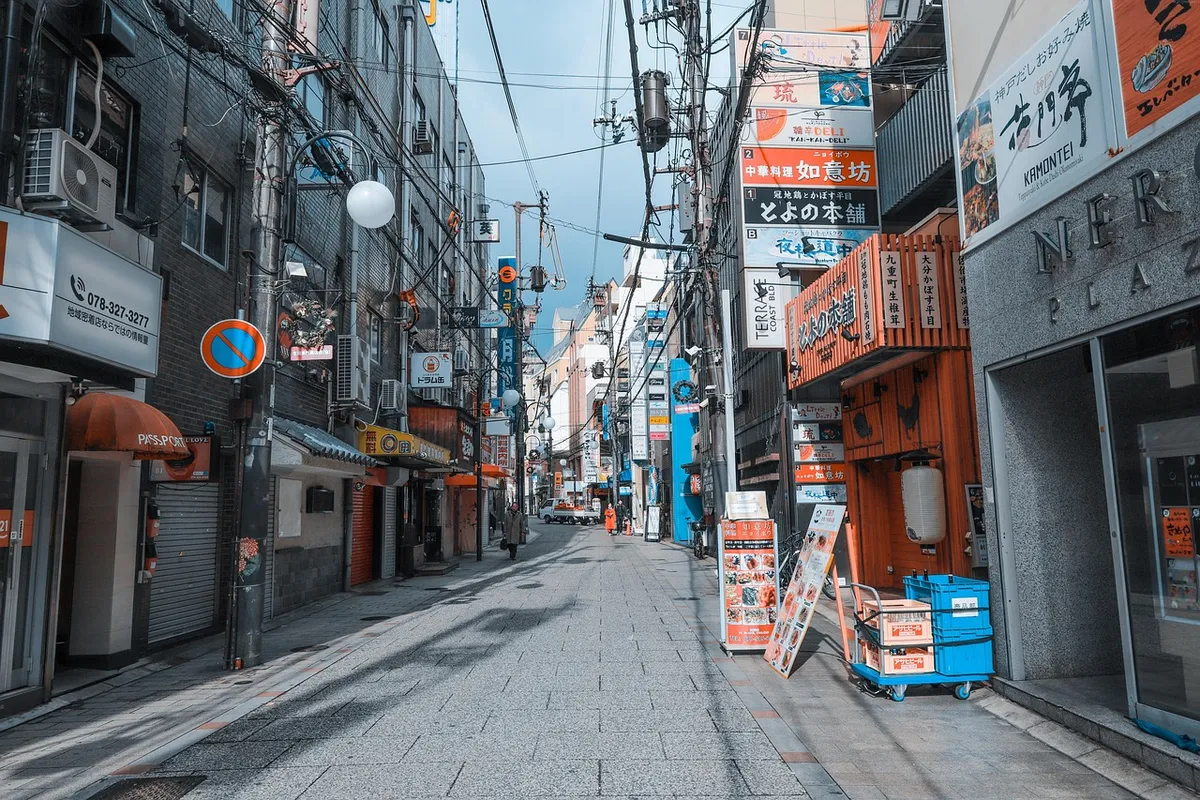
I once checked a schedule and realized a two-hour gap would leave me waiting at a quiet station, so I learned to always verify the peak vs. off-peak timing first.
A limitation of these planning methods is that they rely on the specific availability of modern service; for instance, historical data regarding 1,500 V DC electrified lines used between 1950 and 1984 is no longer applicable to modern rolling stock.
- An Osaka nearby day trip guide requires understanding the historical and modern rail networks that connect major hubs like Kyoto, Nara, Kobe, and Wakayama.
- Key takeaways:
- * Understand the historical development of the Tōkaidō Main Line for context on current routes.
- A traveler stands on a crowded platform, checking the departure board as a sleek train pulls into the station.
Related
- Osaka day trip guide: Find nature and history nearby
- What are some tips for a perfect tasting sequence?
Why is the initial journey planning so important for efficient exploration?
The initial journey planning is crucial because it dictates the feasibility of the entire exploration endeavor. A traveler must first grasp the physical constraints of the historical infrastructure to plan a successful modern trip.
According to World Bank data, Japan recorded international tourist arrivals of 4,115,800 in 2020.
- The Tōkaidō Main Line, which forms the backbone of much of this regional travel, dictates the scale of the journey. 2. Understanding the original limitations helps frame the modern transit experience. 3. This context allows travelers to make informed decisions about their schedule and expectations.
What cautions should I keep regarding service availability?
Cautions regarding service availability are necessary because the rail network exhibits both high-speed modern efficiency and historical service gaps.
- Modern travelers benefit from the legacy of speed improvements, but they must still account for service patterns. 2. In some areas, the interval between services can be substantial, even if the main line is high-frequency. 3. Always verify the specific timing to avoid unexpected waits at a quiet station.
The most efficient way to explore the Kansai region depends heavily on matching the journey's needs to the reality of the rail infrastructure, whether it is the historical backbone or the modern iteration.


Comments 0