Osaka history guide: Best way to see Osaka's evolution
"Osaka is a city where the layers of history meet the neon pulse of the modern era, creating a unique landscape of cultural evolution."
Osaka serves as a vital hub in the Kansai region, acting as a bridge between ancient heritage and contemporary urban life. To understand the city, one must view it through its historical accumulation, where traditional merchant culture meets modern skyscrapers.
Travelers should focus on the distinct shifts from the castle era to the bustling food districts of today.
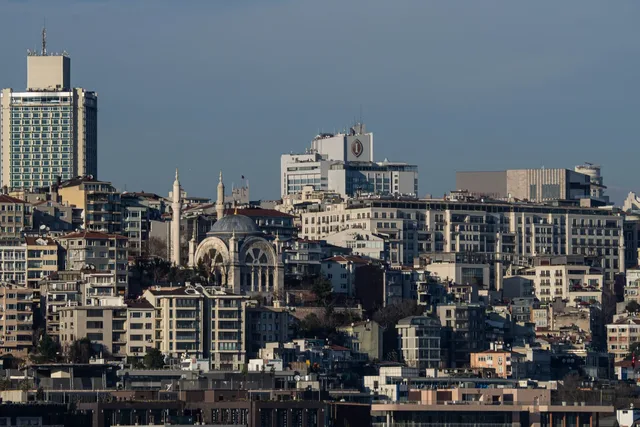
* A blend of ancient historical foundations and modern urban development. * A central role in the Kansai region's cultural and economic landscape. * The evolution from a merchant-driven economy to a modern tourism center.
How does Osaka represent a modern city's historical accumulation?
At dusk, I brush my fingers against a cold stone wall in a narrow Osaka alleyway, feeling the weight of centuries beneath the neon glow.
Walking through the shadows of massive concrete structures, a traveler observes the transition from old to new. The city's layout reflects a deep history of growth, moving from fortified centers to expansive commercial zones.
This evolution defines the Osaka history guide for anyone exploring the city's streets.
The city's identity is rooted in its ability to adapt over centuries. While modern skyscrapers dominate the skyline in areas like Umeda, the underlying structure remains tied to its historical role as a trade center.
This transition from a merchant-focused economy to a high-tech metropolitan area illustrates the Osaka city past.
I watched the lights of the city flicker to life near the river, realizing how much the urban fabric has changed. Understanding Osaka today requires recognizing that the modern convenience of the subway and shopping malls sits atop centuries of cultural movement.
This process of accumulation ensures that the city remains a dynamic force in Japan.
- Identify the Edo-period merchant foundations.
- Observe the industrial expansion of the Meiji era.
- Analyze the post-war reconstruction efforts.
What truly makes Osaka what it is? Osaka history guide
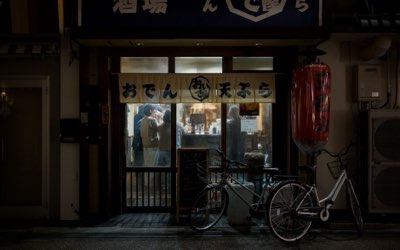
At midnight, I press my warm palms against a steaming food stall in a crowded Osaka market to absorb the local energy. Standing amidst the vibrant crowds of a busy district, the sensory experience of the city becomes immediate.
The atmosphere is defined by a specific cultural energy that separates it from other Japanese cities. This unique character is essential for an Osaka travel facts overview.
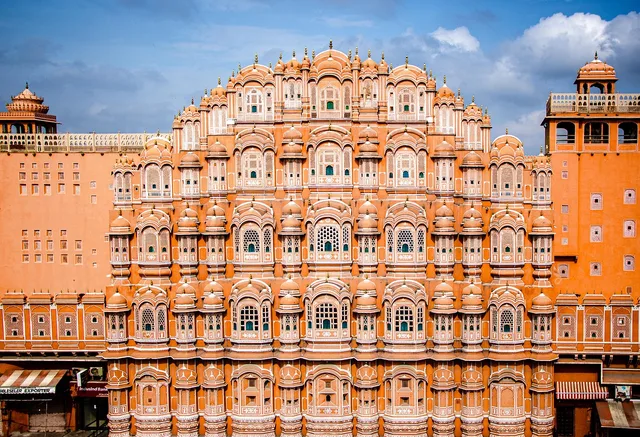
The concept of "kuidaore" is central to the local spirit, referring to the idea of eating oneself into bankruptcy. This reflects a culture that prioritizes culinary enjoyment and social connection through food. This deep-seated commitment to gastronomy remains a cornerstone of the local lifestyle.
In addition to food, the local humor plays a significant role in social interactions. The "manzai" style of comedy provides a rhythmic, energetic backdrop to the city's social life. These cultural markers create a distinct atmosphere that travelers encounter in every corner of the city.
I find that the second element is the most significant.
How to navigate the historical layers of the city?
Tracing the path from an ancient fortress to a modern plaza reveals the city's growth. One can observe how different eras occupy different spaces within the same metropolitan area. This makes an Osaka historical layers tour a practical way to experience the timeline.
To experience these layers, follow these steps:
- Visit historical sites to see the foundations of the city's former power. 2. Walk through traditional merchant districts to understand the commercial roots. 3. Observe the modern neon-lit districts to see the current urban peak.
After completing these steps, check if you have transitioned through the different architectural styles. This method ensures you grasp the full scope of the city's development.
What defines the modern landscape?
Navigating through high-rise buildings, the sheer scale of modern development becomes clear. The skyline is a testament to the rapid urbanization that occurred in the 20th century. This modern infrastructure supports the massive influx of people into the region.
According to World Bank data, Japan recorded a total population of 123,366,734 in 2025.
The city's density is supported by an extensive transit network. This allows for seamless movement between the historic centers and the new commercial hubs. The efficiency of this system is a hallmark of the modern urban experience.
| Feature | Historical Era | Modern Era |
|---|---|---|
| Primary Focus | Trade and Fortification | Commerce and Tourism |
What are the limitations of this historical view?
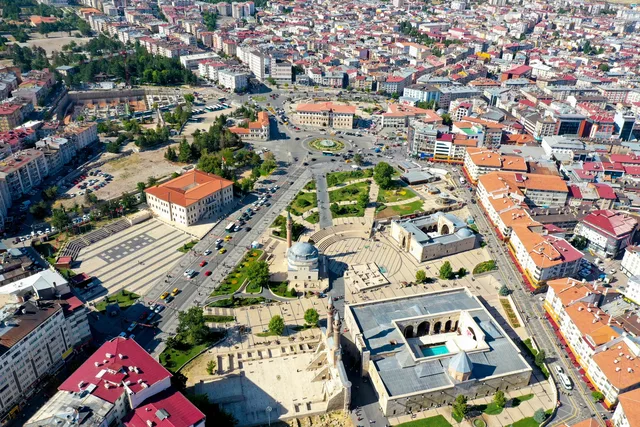
Exploring a single district may offer a skewed perspective of the city's total history. One cannot see the entire timeline in one afternoon due to the vastness of the urban sprawl. The scale of the city means that different eras are often separated by significant physical distances.
The same subject is also called Modern Osaka meaning.
The same subject is also called Visit Osaka guide.
Osaka historical layers tour
Related
- Ramen guide Osaka: Tips for best Osaka ramen guide
- Kansai Pass Comparison Guide: How to choose best Kansai Pass
What is the relationship between the merchant culture and modern commerce?
- The merchant culture of the city established the initial economic framework. 2. Modern commerce builds upon this foundation, shifting the primary focus toward tourism and high-tech endeavors. 3. This comparison shows the city's transition from a trade center to a metropolitan hub.
The underlying structure of the city remains connected to its historical function as a trade center, even as modern skyscrapers define the skyline. This continuity illustrates the Osaka city past, where commercial activity persists across different epochs. The evolution from a merchant-driven economy to a modern tourism center is a key aspect of the Osaka history guide.

Comments 0