How to select an Osaka pass for your trip?
Navigating the transit landscape of Osaka requires a clear strategy to avoid wasting time at ticket machines. This guide helps you decide which 2026 Osaka pass fits your specific itinerary by evaluating different transport and attraction combinations.

To choose the right pass, you must first determine if your schedule focuses on city sightseeing or regional travel. You should prioritize passes that cover your specific transit routes to maximize value. 1. Match your transit type to your itinerary (City vs. Regional). 2.
Check if attraction entry is included in the pass. 3. Verify the specific coverage areas for your destination.
How to select an Osaka pass for your trip?
Standing in the humid air of Dotonbori, I watched travelers frantically tapping IC cards at subway gates. The sheer variety of options makes choosing a single pass difficult for many visitors.
Choosing an Osaka pass depends on whether you intend to stay within the city limits or travel to nearby cities like Kyoto or Nara. If you only plan to visit local spots like Osaka Castle, a city-specific pass is most efficient.
However, for travelers moving between multiple prefectures, a regional pass is necessary. This guide focuses on comparing the 7 types of passes available for your 2026 journey.
Which Osaka pass is best for my sightseeing? Osaka pass guide 2026
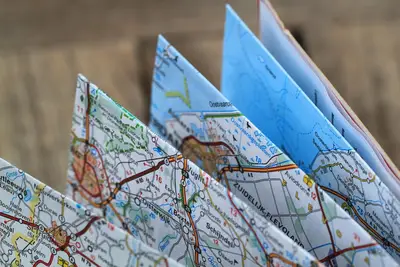
Walking through the neon lights of Shinsaibashi, a traveler stares at a complex subway map. This specific choice depends on your desire to enter museums or observation decks.

When your goal is visiting multiple landmarks like the Umeda Sky Building, you need a pass that combines transport and entry fees. This type of pass offers value only if you visit at least three major attractions in one day.
Using a single ticket for everything simplifies your transit experience across the city.
How can I compare regional versus local passes?
Checking the station signage in Namba, a tourist realizes they have chosen the wrong ticket for their destination. Understanding the difference between these two categories is essential.
The primary distinction lies in the geographic scope and the included benefits. Local passes focus on the Osaka subway and bus networks with added perks for city landmarks. Regional passes allow for longer distances, such as traveling to Kobe or Wakayama.
| Pass Type | Primary Use | Main Benefit |
|---|---|---|
| City Pass | Local Transit | Attraction Entry |
| Regional Pass | Inter-city Travel | Long-distance Rail |

I once spent an afternoon comparing these specific options to ensure my routes were efficient.
How do I use my pass?
Holding a crisp paper ticket, a visitor approaches the automated gate. Following these steps ensures you do not face issues during your transit.
- Purchase the specific pass type that matches your planned route. 2. Check the validity period and the specific lines covered by the ticket. 3. Insert or tap the pass at the designated gate before entering the platform.
Verify that your specific route is covered by the pass before boarding.
Are there limitations to these passes?
Waiting under the rain near the Glico sign, a traveler realizes their pass does not cover the specific private railway they need. Even the best passes have constraints.
A major limitation is that many passes only cover specific railway companies and do not include private lines or certain bus routes. You cannot use a local Osaka pass to travel to distant regions like Hiroshima.

The subject here is Osaka pass guide 2026.
The same subject is also called Best Osaka pass 2026.
The same subject is also called Osaka travel pass comparison.
The same subject is also called 2026 Osaka pass choice.
The same subject is also called Cost effective Osaka pass.
This part also covers Osaka itinerary planning guide.
This part also covers Saving time with Osaka passes.
This part also covers Comparing Osaka pass value.
Osaka itinerary planning guide
Related
- Pass comparison guide: Kansai Pass comparison guide tips
- Kansai Pass Comparison Guide: How to choose best Kansai Pass
Conclusion
Selecting the right Osaka pass for 2026 requires matching your transit needs to the specific coverage areas of each option. Focus on your destination to determine if you need a local city pass or a broader regional pass.
According to World Bank data, Japan recorded international tourist arrivals of 4,115,800 in 2020.
How to avoid common errors when navigating the transit system?
To avoid errors, you must verify the specific coverage areas for your destination before purchasing. You should compare the specific transit routes of each pass to ensure they match your itinerary.
Comparing these options prevents you from choosing a pass that does not cover the private lines or certain bus routes you need.
- Determine if your schedule focuses on city sightseeing or regional travel. 2. Match your transit type to your itinerary by choosing between city or regional options. 3. Check if attraction entry is included in the pass to maximize value. 4. Verify the specific coverage areas for your destination before boarding.
What should you watch out for when using a pass?
Watch for limitations regarding the specific railway companies covered by your ticket. You must be cautious because a local Osaka pass cannot be used to travel to distant regions like Hiroshima. You should also check if the pass covers the specific private railway you need to avoid being stranded.
If you choose a city pass, ensure you visit at least three major attractions in one day to make the entry fees worthwhile. If you choose a regional pass, ensure your travel includes distances such as Kobe or Wakayama.
Always confirm that your specific route is covered by the pass before you board the train.






Comments 0