Kushikatsu selection tips guide Best Kushikatsu Guide
Finding the best Kushikatsu requires looking beyond the flashy neon signs of Osaka to assess batter texture and ingredient freshness. This guide is for travelers seeking authentic deep-fried skewers rather than tourist traps. To pick the right spot, you must evaluate the batter consistency, the oil quality, and the dipping sauce etiquette. Note that this guide focuses on the selection process and does not guarantee the specific menu items of individual restaurants.
How to pick the best Kushikatsu?

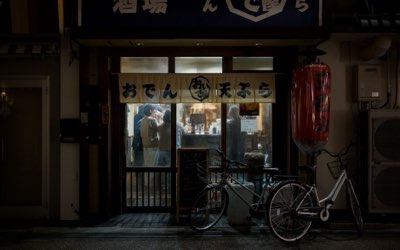
At dusk in a Shinsekai kitchen, you lean forward to smell the hot oil while hunting for the perfect kushikatsu.
A traveler walks into a crowded shop in Shinsekai, smelling the hot oil and hearing the crunch of breaded pork. To select a high-quality establishment, you should focus on the clarity of the frying oil and the variety of seasonal ingredients available.
Selecting a top-tier venue involves observing the kitchen's rhythm. High turnover often indicates that the ingredients are fresh and the oil is not heavily oxidized.
According to Wikipedia: Tourism in Japan, Japan received a record 36.87 million tourist arrivals in 2024, which was an increase of over 47% from the year prior. This massive influx of visitors means that many places are optimized for speed rather than artisanal quality.
You must look for shops that maintain a strict cleaning schedule for their frying stations to ensure a light, non-greasy finish on the skewers.
Does location affect quality? Best Kushikatsu Guide
A person navigates the narrow alleys of Osaka, looking for a quiet stall tucked away from the main street. While popular districts offer convenience, the best Kushikatsu is often found in smaller, local establishments that prioritize consistent cooking techniques over high-volume tourist seating.
Finding great Kushikatsu often means stepping away from the primary thoroughfares. Many travelers stick to the most famous landmarks, but the true culinary depth is found in the local neighborhoods. This is a key Kushikatsu Selection Tips method for discerning food enthusiasts.
While the sheer volume of visitors in Japan is growing, the economic impact of international tourism remains distinct.
This suggests that while many shops cater to the masses, many local gems remain focused on the domestic standard of quality.
How do I pick the best Kushikatsu?
A chef carefully dips a piece of lotus root into a thin, pale yellow batter. To ensure a premium experience, follow these steps to evaluate your dining option.
- Observe the color of the batter on the served skewers; it should be a light golden hue rather than a dark brown. 2. Check the cleanliness of the communal dipping sauce station to ensure the sauce is fresh and not reused excessively. 3. Verify that the menu includes a variety of seasonal vegetables and proteins to ensure ingredient rotation.

I once observed a chef in a small Osaka shop meticulously monitoring the temperature of the oil to prevent the breading from absorbing too much fat. This attention to detail is what separates a mediocre meal from a memorable one.
If you follow this Osaka Kushikatsu Review Guide, you will find that the texture of the coating is the most important indicator of skill.
Comparing the economic landscape of Japanese tourism
A researcher looks at data charts showing the shift in international arrival numbers over the last decade. Understanding the scale of the tourism industry helps explain why some areas feel overwhelmed while others remain authentic.
| Metric | Year | Value |
|---|---|---|
| International Arrivals | 2020 | 4,115,800 |
| GDP Per Capita | 2025 | US$35,951 |
The economic context of Japan is shifting rapidly. According to World Bank data, Japan recorded international tourist arrivals of 4,115,800 in 2020. This historical dip contrasts sharply with the recent surge in visitors.
This economic backdrop influences the types of dining experiences available, from high-end gourmet skewers to quick-service street food.
How to identify an authentic Kushikatsu experience?
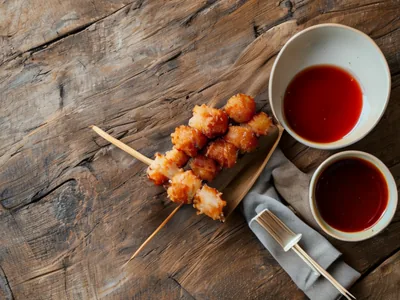
A guest lifts a skewer and listens to the crisp snap of the outer layer. Authenticity is found in the simplicity of the ingredients and the strict adherence to traditional frying methods.
To ensure you are choosing a legitimate establishment, look for the "no double-dipping" rule regarding the communal sauce. This is a hallmark of traditional Osaka Kushikatsu etiquette. Many shops maintain this standard to ensure hygiene and flavor consistency.
If a shop allows you to dip the same skewer multiple times, it may not be adhering to the highest standards of local tradition. Finding the best Kushikatsu involves looking for these subtle cultural cues that signal a commitment to local culinary norms.
Can the quality vary by region?
A traveler notices that the batter in Osaka feels lighter than the heavier versions found in other cities. While Kushikatsu is a staple of the Kansai region, the specific style of frying can change depending on the local preference for lightness or crunch.

Selecting Kushikatsu wisely requires an understanding that Osaka is the heart of this culinary tradition. The lightness of the batter is a point of pride for many local vendors.
When you are trying to pick the best Kushikatsu, remember that the interaction between the heat of the oil and the moisture of the vegetable is what determines the final texture. This process requires constant attention and skill.
- How to pick the best Kushikatsu?
- Does location affect quality?
- How do I pick the best Kushikatsu?
The subject here is Best Kushikatsu Guide.
The same subject is also called Top Kushikatsu Spots.
The same subject is also called Choose Kushikatsu Wisely.
The same subject is also called Find Great Kushikatsu.
This part also covers Ultimate Kushikatsu Recommendations.
Related



Comments 0