7 Kansai Passes Compared: Choosing Your Perfect Travel Fit
"Don't let a piece of paper dictate your joy; let your itinerary dictate your pass."
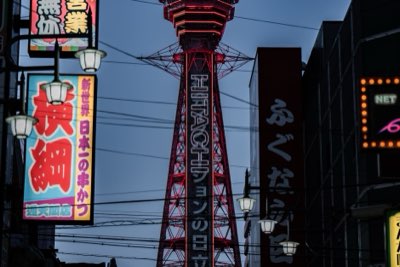
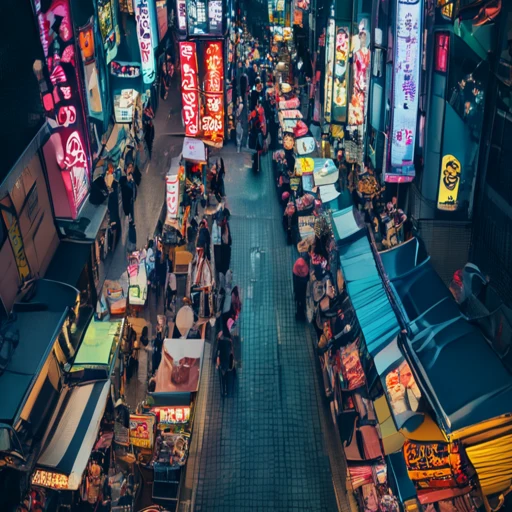
Choosing a Kansai Pass shouldn't feel like a math exam. If you spend more time staring at transit maps than looking at the neon lights of Dotonbori, you've already lost the spirit of the trip.
* Match your pace: High-intensity sightseeing needs different passes than slow-paced foodie crawls. * Calculate the break-even: A pass is only a "deal" if the individual ticket costs exceed the pass price. * Check the coverage: Ensure your specific destination—like Universal Studios Japan or a trip to Nara—is actually covered.

Which Kansai Pass is right for my trip?
I remember standing in the middle of Umeda Station at 8:30 AM on a Tuesday, surrounded by a sea of commuters, clutching a printed itinerary and feeling completely overwhelmed by the sheer number of rail lines. It felt like trying to solve a puzzle where the pieces kept moving.
The confusion usually stems from the fact that there isn't just one "Kansai Pass." Instead, there is a spectrum of options designed for different levels of movement.
Type 1: The Osaka Amazing Pass (The Sightseer's Weapon) This is perfect if you plan to stay mostly within Osaka city limits. It covers unlimited subway rides and includes entry to dozens of attractions like the Umedo Sky Building or Osaka Castle.
If you plan to hit three museums and two observation decks in one day, this is your best bet.
Type 2: The Kansai Thru Pass (The Regional Explorer) This is for the traveler who isn't staying put. If your plan involves hopping between Osaka, Kyoto, Nara, and Kobe, this pass covers much of the private railway network.
It is not for JR lines, so don't try to use it on the rapid trains heading to certain outskirts.
Type 3: The JR Kansai Area Pass (The Speed Demon) If your itinerary relies heavily on JR lines to get to places like Okayama or Himeji, this is the one. It is built for speed and distance, making it ideal for those who want to cover vast distances quickly.
Type 4: The Hankyu/Hanshin Tourist Pass (The Local Connector) These are much cheaper, narrow-focus passes. If you are staying in Osaka and doing a dedicated day trip to Kyoto via the Hankkyu line, these are incredibly cost-effective.
They trade wide coverage for deep, cheap access to specific corridors.
Type 5: The Kintetsu Rail Pass (The Nara/Nagoya Specialist) For those heading toward Nara or even further toward Nagoya, this pass makes sense. It covers the Kintetsu lines, which are vital for reaching the deer in Nara and various temple districts.
Type 6: The JR West Kansai Pass (The Multi-City Specialist) Similar to the Area Pass but often with different duration options, this is for travelers who want a seamless, high-speed experience across the entire Kansai-Kinki region using the JR network.
Type 7: The Individual IC Card (The Minimalist's Choice) While not a "pass" in the promotional sense, an ICOCA or Suica card is the baseline. If you are only moving two or three times a day, buying a specialized pass might actually cost you more than just tapping your card.
| Pass Type | Primary Use Case | Best For... |
|---|---|---|
| Osaka Amazing | City sightseeing + Attractions | Heavy Osaka-based travelers |
| Kansai Thru | Private railways across the region | Multi-city exploration |
| JR Area Pass | Long-distance JR travel | High-speed, wide-radius trips |
| Hankyu/Hanshin | Specific corridor travel | Budget-friendly Kyoto/Kobe trips |
| Kintetsu | Nara and eastern routes | Nara-focused itineraries |
| JR West | Comprehensive JR coverage | Travelers prioritizing JR ease |
| IC Card | Low-frequency travel | Minimalists and casual movers |

How can I make sure I don't overpay?
I once watched a traveler buy a high-end regional pass only to realize they spent most of their time walking between local shops in Namba. They endedly losing money on every single transit leg.
To avoid this, you must understand the "Break-Even Point." If a pass costs 3,000 yen, but your daily travel only costs 1,500 yen, that pass is a liability, not an asset.
The Sightseer Profile If you are the type of person who wants to see the castle in the morning, a museum in the afternoon, and a rooftop bar at night, an attraction-inclusive pass (like the Osaka Amazing Pass) is almost always worth it. The entry fees alone often cover the cost of the pass.
The Foodie Profile If your "itinerary" is actually just a list of restaurants in Dotonbori and Shinsekai, you don't need a heavy-duty regional pass. You will likely spend more time walking than riding. For this profile, a simple IC card is usually the most economical choice.
The Explorer Profile If you are waking up in Osaka and heading to Kyoto, then to Nara, and then back to Kobe, you need a regional pass. The cost of individual tickets for these long-distance hops adds up rapidly.
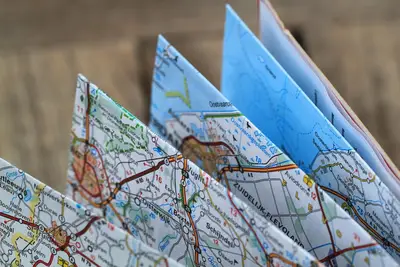
Actionable Tip: Always list your planned stops first. Calculate the individual fare for each stop using a transit app. If the total is significantly lower than the pass, skip the pass.
🎢 Beyond Transit: When Attractions Matter More Than Travel
Sometimes, the goal isn't just to get from point A to point B; it's to get into the venue.
The USJ Factor It is important to note that most transit passes do *not* include entry to Universal Studios Japan. If your trip is centered around USJ, don't expect your transit pass to cover your ticket. You will need to budget for that separately.
Sequence Matters If you use an attraction-heavy pass, plan your day in a loop. Start with a high-cost attraction covered by the pass to secure your "return on investment" early. For example, hit a major tower or museum first, then use the unlimited transit to move to your next destination.
The Limitation Check Always check if a pass has a "limit of entry." Some passes allow unlimited rides but only a limited number of museum entries. If you try to enter a fifth museum on a pass that only allows three, you will be asked to pay the full entry fee at the gate.

✈️ Planning Your Perfect Kansai Adventure
Let's look at how these choices play out in real-world scenarios. When I was planning my own route through the Kansai region in early 2025, I had to weigh the convenience of a single pass against the flexibility of local lines.
According to World Bank data, Japan recorded international tourist arrivals of 4,115,800 in 2020.
Scenario A: The 3-Day Osaka Intensive * Focus: Osaka Castle, Umeda Sky Building, Den Den Town, and local food crawls. * Optimal Pass: Osaka Amazing Pass.
* Why: The combination of unlimited subway and free entry to major landmarks makes this a massive win for high-density sightseeing.
Scenario B: The 5-Day Kansai Grand Tour * Focus: Osaka base, with day trips to Kyoto, Nara, and Kobe. * Optimal Pass: Kansai Thru Pass or a combination of regional passes.
* Why: You need the flexibility to move between different private railway lines that connect these cities seamlessly.
Scenario C: The Weekend Foodie Sprint * Focus: Staying in Namba/Shinsaibashi, visiting local markets, and short hops to Kobe. * Optimal Pass: IC Card (ICOCA/Suica). * Why: You won't be traveling enough to justify the high cost of a regional pass.
The Checklist for Success To ensure you make the right choice, follow this step-by-step verification process:
- Map the destinations: Write down every single station and landmark you intend to visit.
- Identify the operators: Check if the stations are serviced by JR, Hankyu, Keihan, or the subway.
- Calculate the "Raw Cost": Add up the price of individual tickets for all planned trips.
- Compare to the Pass: If the pass is more expensive than the raw cost, stick to an IC card.
- Verify Attraction Inclusion: If the pass promises free entry, check the specific terms and conditions for those attractions.
Flexibility vs. Efficiency There is a constant tug-of-war between being efficient and being flexible. A pass makes you efficient, but it can also lock you into a specific route. If you find a hidden cafe you want to visit, but it's not on a covered line, you might end up paying extra.
Always weigh the cost of that potential "extra" against the savings of the pass.



Comments 0