Dotonbori Blitz: 7 Stops in 3 Hours for Osaka Flavor
"You don't just eat in Osaka; you conquer it, one bite at a time."
If you only have a single evening to experience the neon-soaked, flavor-packed chaos of Dotonbori, you don't want to spend it wandering aimlessly. You need a tactical plan to hit the heavy hitters without feeling too full to move.
Key Takeaways * The 3-hour blitz succeeds by focusing on small, high-density portions rather than full sit-down meals. * Success requires a linear walking route to avoid backtracking through the crowds.
* This itinerary balances iconic street food with legendary local staples for a complete "Kuidaore" experience.
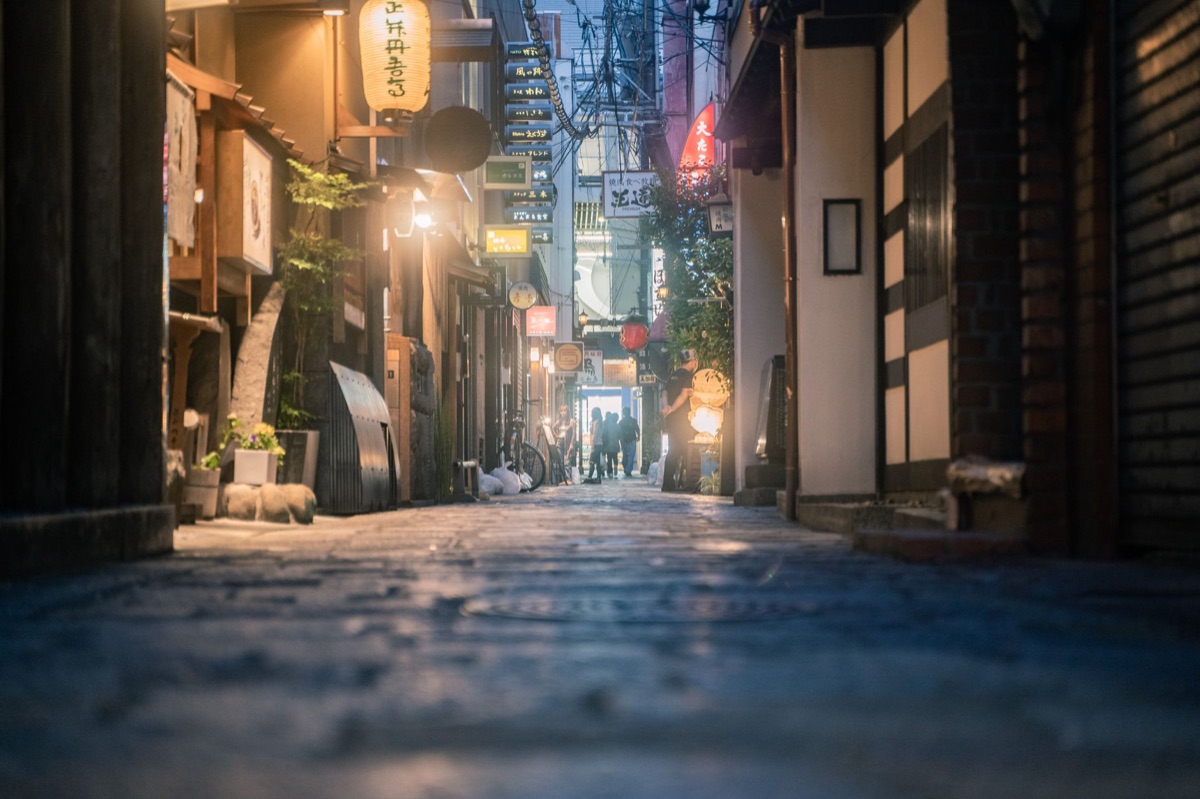
Why Dotonbori? The Pilgrimage Mindset
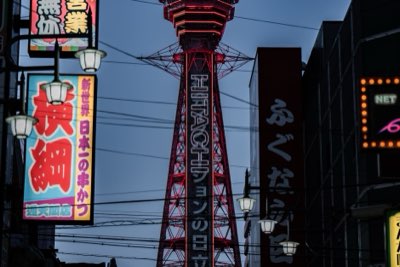
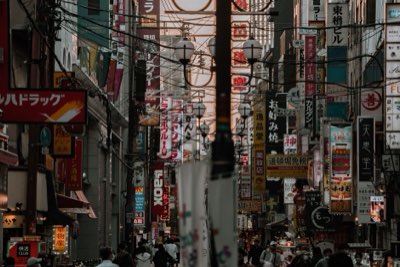
I stood at the edge of the Ebisubashi Bridge at 6:30 PM, watching the massive digital screens flicker against the dark sky while the smell of grilled octopus drifted through the humid air. The crowd moved like a single, breathing organism, pushing toward the scent of dashi and frying oil.
Dotonbori is the beating heart of Osaka’s "Kuidaore" culture—a term that literally translates to "eat until you drop." While other cities might treat dining as a scheduled event, Osaka treats it as a high-speed pursuit of flavor. This isn't a leisurely stroll; it is a culinary pilgrimage.
The goal of a 3-hour blitz is to experience the maximum variety of Osaka's soul food—Takoyaki, Kushikatsu, and Ramen—without the exhaustion of a full-day trek. Because the density of food stalls is so high, you don't need a whole day; you just need a strategy.
To pull this off, you must treat your stomach like a professional athlete treats a training regimen. You aren't looking for massive plates; you are looking for perfect, small-batch bites. If you try to sit down for a full meal at every stop, you will fail before you hit the halfway mark.
How will my seven-stop pilgrimage be mapped? I remember looking at my watch near the Glico Man sign, realizing that if I didn't move now, I'd miss the peak freshness of the evening snacks. I had a map in my head, a sequence of flavors designed to hit the palate in a specific order.
To conquer Dotonbori in 180 minutes, you must follow a linear path that flows from the bridge toward the backstreets, preventing you from getting stuck in a loop.
Stop 1: The Glico Landmark Start at the Ebisubashi Bridge. This is your orientation point. Take your photo with the Glico Man, orient yourself to the river, and prepare your appetite.
Stop 2: Takoyaki Kickoff Move immediately to a high-turnover Takoyaki stall near the bridge. You are looking for a single order of four pieces—just enough to warm up.
Stop 3: Street Yakisoba Walk a few blocks inland to a vendor specializing in stir-fried noodles. This provides a savory, salty hit to transition from the soft texture of octopus to something more substantial.
Stop 4: Kushikatsu Selection Head toward a specialized fried skewer shop. This is the mid-point pivot where you transition from "snack" to "savory."
Stop 5: Tamagoyaki Break Find a small stall serving sweet, rolled omelets. This acts as a palate cleanser, using sweetness to cut through the grease of the fried items.
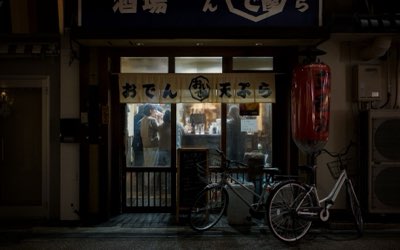
Stop 6: Signature Ramen Enter a small, narrow ramen shop for a half-portion or a specialized bowl. This is the heavy hitter of the route.
Stop 7: Final Sweet Exit Finish at a dessert stall, perhaps something with matcha or taiyaki, to signal the end of the pilgrimage.
How can I make my three hours count? The sun dipped below the skyline, casting long shadows over the canal, and suddenly the crowd felt twice as thick as it had thirty minutes ago. I realized then that speed wasn't just about walking fast; it was about deciding what *not* to eat.
Efficiently navigating Dotonbori requires a specific set of rules to prevent the "crowd trap."
* The "Small Portion" Rule: Never order a full meal. If a menu offers a "half-size" or a "tasting portion," take it. If not, share everything with a partner. * The Peak Hour Pivot: If you arrive at 6:00 PM, you are hitting the peak. If you can, aim for a 5:00 PM start to beat the heaviest congestion. * Linear Movement: Always move in one direction. If you find yourself walking back toward the bridge to find a shop, you have lost the efficiency of your route.
One of the biggest mistakes travelers make is standing in a 45-minute line for a "famous" stall. If a line looks like it won't move in 15 minutes, skip it. In Dotonbori, there is always another legendary vendor just two doors down.
| Phase | Focus | Typical Timing |
|---|---|---|
| Phase 1: Warm-up | Takoyaki & Street Snacks | 0 - 45 Minutes |
| Phase 2: The Core | Kushikatsu & Savory Skewers | 45 - 120 Minutes |
| Phase 3: The Finish | Ramen & Sweet Exit | 120 - 180 Minutes |
The Culinary Deep Dive: What to Eat at Each Stop
The steam from a fresh batch of Takoyaki rose in a thick cloud, catching the neon light and turning the air into a golden haze. I reached for a wooden toothpick, knowing the first bite would define the entire evening.
To maintain the 3-hour pace, you must understand the specific flavor profiles you are chasing.
Takoyaki Mastery Your first stop must be Takoyaki. Look for stalls where the batter is creamy on the inside and crispy on the outside. Avoid the overly heavy mayo-heavy versions; go for the classic dashi-based seasoning with bonito flakes.
Kushikatsu Etiquette When you hit the Kushikatsu stop, remember the golden rule: no double-dipping. If you are at a communal sauce station, dip once and move on. Focus on lotus root or quail egg skewers for lighter, high-flavor bites.
The Ramen Climax Your penultimate stop should be a ramen shop. Since you have already eaten several snacks, look for a "shio" (salt) or "shoyu" (soy) base rather than a heavy tonkotsu (pork bone) broth. This prevents "food coma" before you finish your route.
Menu Cheat Sheet * Takoyaki * Kushikatsu * Yakisoba * Tamagoyaki * Taiyaki * Gyoza * Ramen
Beyond Dotonbori: Extending Your Pilgrimage
As I walked away from the neon glow, my stomach felt heavy but my spirit felt energized by the sheer density of the experience. The city felt like it was just getting started, and the lights of the canal were fading into the distance.
According to World Bank, Japan recorded international tourist arrivals of 4,115,800 in 2020.
If you find yourself with extra energy after completing the 3-hour circuit, don't head straight back to your hotel.
The Shinsekai Transition If you want to keep the momentum, take a short train ride to Shinsekai. It offers a similar, slightly more retro vibe with even more specialized deep-fried food, perfect for a second round of exploration.
The Namba Night Walk If you prefer a slower pace, wander through the Hozenji Yokocho alleyway. It is a narrow, stone-paved street that feels like a time capsule of old Osaka, providing a quiet contrast to the chaos of Dotonbori.
FAQ
Is 3 hours really enough for 7 stops? Yes, provided you understand that these are "tasting" stops. You are not looking for a full meal at each location, but rather a single, high-quality bite or small portion.
Do I need to carry cash? While many larger restaurants accept cards, many of the best street food stalls in Dotonbori are cash-only. Always carry yen for these quick transactions.
What if I get too full? If you hit a wall, skip the heavy ramen and head straight to a tea or light dessert stall. The goal is to enjoy, not to suffer.
How do I avoid the crowds? Start your pilgrimage slightly before the dinner rush (around 5:00 PM) or late in the evening (after 9:00 PM) to find more breathing room.
Can I do this solo? It is actually easier to do this solo. You can order single-serving portions that might be difficult to share in a group, allowing you to hit all seven stops more easily.

Comments 0