Ramen guide Osaka: Tips for best Osaka ramen guide
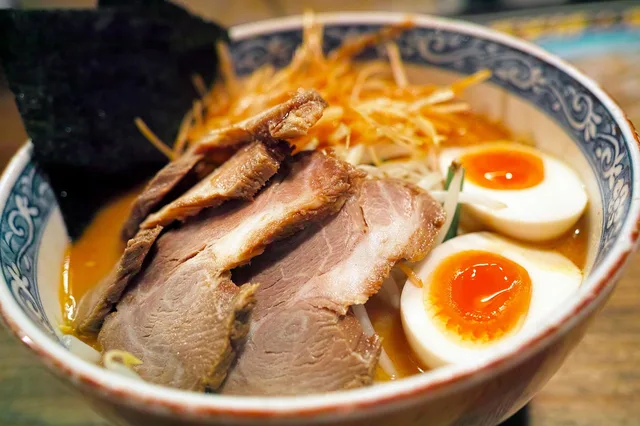
A steaming bowl of noodles sits on a wooden counter, the aroma of rich broth filling the air as steam rises toward the ceiling.
Finding the right bowl requires knowing the difference between quick instant meals and the artisanal experiences found in specialized shops. This guide is for travelers seeking authentic flavors, emphasizing how to navigate local menus and when to visit historical sites.
Key takeaways include understanding the distinction between instant varieties and restaurant dining, recognizing the historical significance of local museums, and acknowledging that certain historical facts are tied to specific years.
How to choose Osaka ramen?
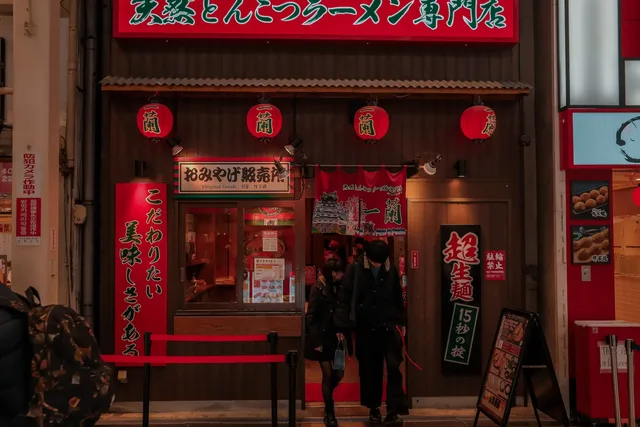
A traveler walks through a narrow alleyway, smelling the salty scent of soy broth drifting from an open doorway. Selecting a great ramen shop involves checking for local popularity and specific broth styles rather than relying on generic tourist signs.
Many travelers struggle to decide between different styles, but understanding the base is essential. You must decide if you want a heavy tonkotsu or a lighter shoyu broth.
Finding great ramen Osaka often requires stepping away from the main thoroughfares and into the smaller side streets where locals congregate. This helps you avoid the generic tourist traps that lack depth.
- Check the broth richness. 2. Look for local specialty toppings. 3. Read the menu for spice levels.
Where can I learn about the cultural roots of this meal? Osaka ramen guide
In 1999, he opened the Momofuku Ando Instant Ramen Museum in Ikeda, Osaka, according to the Momofuku Ando Instant Ramen Museum.
The Momofuku Ando Instant Ramen Museum provides insight into the cultural roots of this meal.
In 1999, he opened the Momofuku Ando Instant Ramen Museum in Ikeda, Osaka. This location provides context for how a quick, easy, and tasty meal became a global phenomenon. It is a useful stop for those interested in the history of food technology and the evolution of convenience.
This museum offers a deeper perspective than just eating at a shop.
In this sequence, the second step is the longest.
What are the different types of ramen?
In the humid kitchen, I lift the steaming noodles to feel the heavy weight of the ramen.
A chef carefully lifts a portion of noodles from a boiling pot, ensuring they are the perfect texture. You will find that the distinction between instant and fresh noodles is a primary factor in the dining experience.
It is hard to find a college student or an office worker who has not enjoyed a quick, easy, and tasty meal in instant ramen noodles. This highlights the massive influence of the instant variety in daily life.
While restaurant ramen focuses on complex, slow-cooked broths, instant noodles offer a different level of accessibility.
| Ramen Category | Primary Characteristic |
|---|---|
| Instant | Quick and easy preparation |
| Restaurant | Complex broth and fresh noodles |
I personally observed the difference in texture when comparing a quick instant cup to a bowl served in a traditional shop.
What should I know about Osaka's food history?
An old photograph shows a bustling market street from decades ago, capturing the spirit of a growing city. The city has long been a hub of commerce and migration, influencing the food scene significantly.
When he was 22, he started his own textile business and traveled to Osaka. This movement of people and industry helped shape the urban landscape. The culinary scene grew alongside these commercial developments, creating a dense network of dining options.
Understanding this history helps you appreciate the depth of the local food culture.
How can I avoid mistakes when dining?
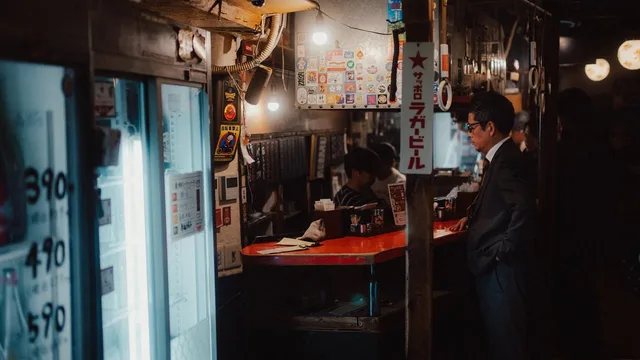
A diner checks the entrance for a ticket machine, realizing they must order before sitting down. To ensure a smooth experience, you must follow specific local customs regarding ordering and seating. According to World Bank data, Japan recorded international tourist arrivals of 4,115,800 in 2020.
- Check the entrance for a vending machine or ticket system. 2. Select your specific broth and topping preference. 3. Confirm the shop's seating rules before entering.
One limitation is that these steps do not account for every individual shop's specific layout or unique service model.
- How to choose Osaka ramen?
- Where can I learn about the cultural roots of this meal?
- What are the different types of ramen?
The subject here is Osaka ramen guide.
The same subject is also called Best ramen spots Osaka.
The same subject is also called Osaka food selection tips.
The same subject is also called Find great ramen Osaka.
The same subject is also called Ramen travel guide Japan.
This part also covers Osaka restaurant visiting rules.
This part also covers Must know ramen info.
Related
- Kushikatsu selection tips guide Best Kushikatsu Guide
- What are some tips for a perfect tasting sequence?
What considerations affect the broth experience?
- The broth richness serves as a primary indicator of the shop's focus. 2. The choice between heavy tonkotsu and lighter shoyu reflects a fundamental preference. 3. The texture of the noodles interacts directly with the broth's intensity.
The steaming bowl of noodles presents a visual cue regarding the cooking method. A lighter shoyu broth might suggest a more delicate preparation compared to a heavy tonkotsu, which implies a longer simmering time for the base ingredients. This comparison guides the traveler toward their desired culinary profile.
How does local culture influence the dining procedure?
The local congregation of people often dictates the best place to find authentic ramen. Stepping into smaller side streets allows the diner to observe established local customs, which often supersede generalized tourist advice.
Understanding the historical significance of local museums provides context for the modern dining experience. The evolution of food technology, as seen in the instant ramen museum, contrasts sharply with the slow preparation of restaurant ramen.
The initial selection process, which involves checking the entrance for a ticket machine, is itself a reflection of established local procedure. This procedure ensures a structured dining experience for the customer.
Is the preparation method always visible?
While a chef carefully lifts a portion of noodles from a boiling pot, the entire preparation sequence might not be fully exposed to the customer. The distinction between instant and fresh noodles is a factor that remains somewhat obscured until the bowl is served.
The aroma of rich broth, which fills the air, offers one sensory clue to the quality of the preparation. This olfactory information can sometimes substitute for a full view of the cooking process, especially in busy establishments.
The initial assessment of the broth richness must be done before the noodles are consumed, making the visual and aromatic checks critical steps. The steaming bowl provides immediate feedback on the current state of the meal.




Comments 0