5 Essential Osaka Kushikatsu Spots for Authentic Dining
"Eat until you drop."
If you haven't heard this phrase, you haven't truly understood the soul of Osaka.
It is the city's unofficial motto, a culinary philosophy known as *kuidaore*, and there is no better way to live it than by sitting at a narrow wooden counter, surrounded by the sizzle of hot oil and the laughter of locals, tackling a platter of golden, crispy skewers.
* Discover the 5 essential Kushikatsu spots that define the Osaka experience. * Master the "no double-dipping" etiquette to avoid social awkwardness. * Learn which neighborhoods offer the best atmosphere for your dining style.
Why is Osaka the undisputed capital of Kushikatsu?
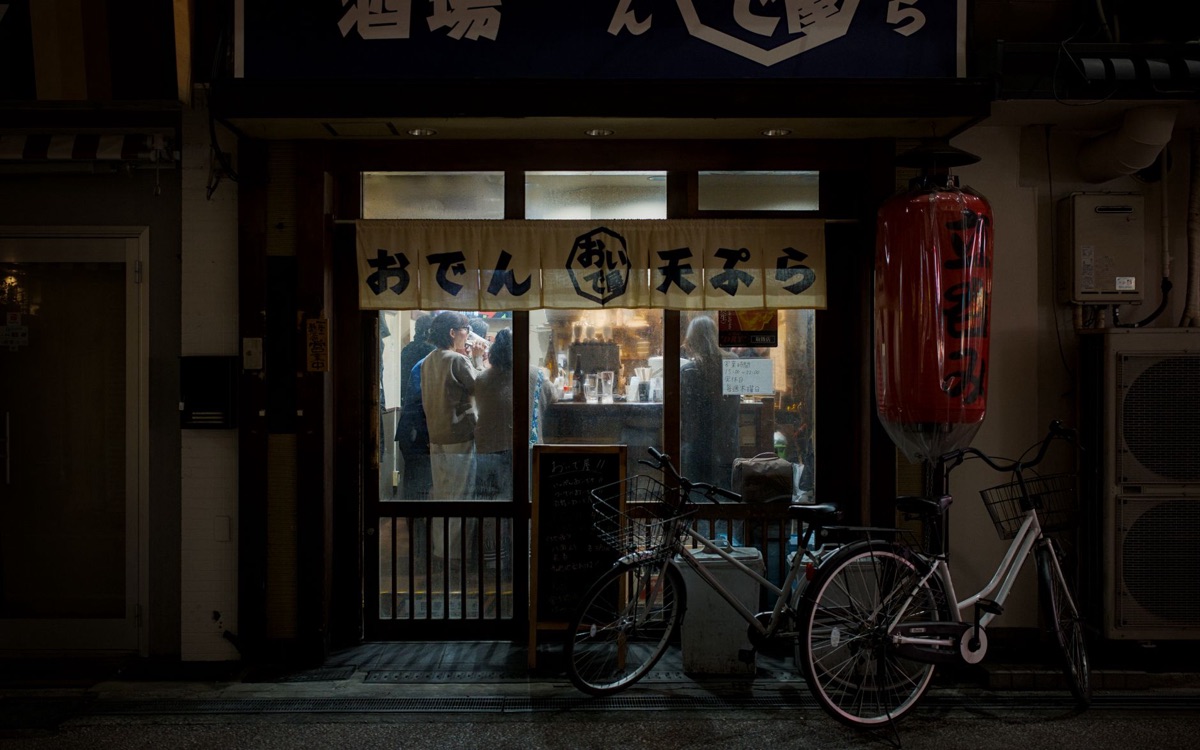
The humid evening air in Shinsekai smells of hot oil and savory spices, a scent that has drifted through these streets for decades. I remember sitting on a cramped stool in late 2025, my knees nearly touching the person next to me, watching a chef expertly slide a skewer into a bubbling vat of oil.
According to World Bank data, Japan recorded international tourist arrivals of 4,115,800 in 2020.
Kushikatsu is more than just deep-fried food; it is a piece of Osaka's identity.
While the basic style of Kushikatsu in eastern Japan, such as in the Kanto/Tokyo area, often features diced pork rib in 3–4 cm (1.5 in) cubes skewered with sliced onions or leeks, the Osaka version has evolved into a massive, diverse culinary culture.
It represents the grit and energy of a city that grew from a peninsula shaped by the historic Uemachi Plateau into a global powerhouse.
The spirit of *kuidaore*—the idea of spending everything on food until you can't eat anymore—is perfectly captured in these small shops. In districts like Shinsekai, which serves as the spiritual home of this dish, the food is meant to be communal, fast, and incredibly satisfying.
It is high-energy dining that matches the city's vibrant, "manzai" comedy-infused personality.
But how do you find the real soul of the dish amidst the neon lights and tourist crowds?
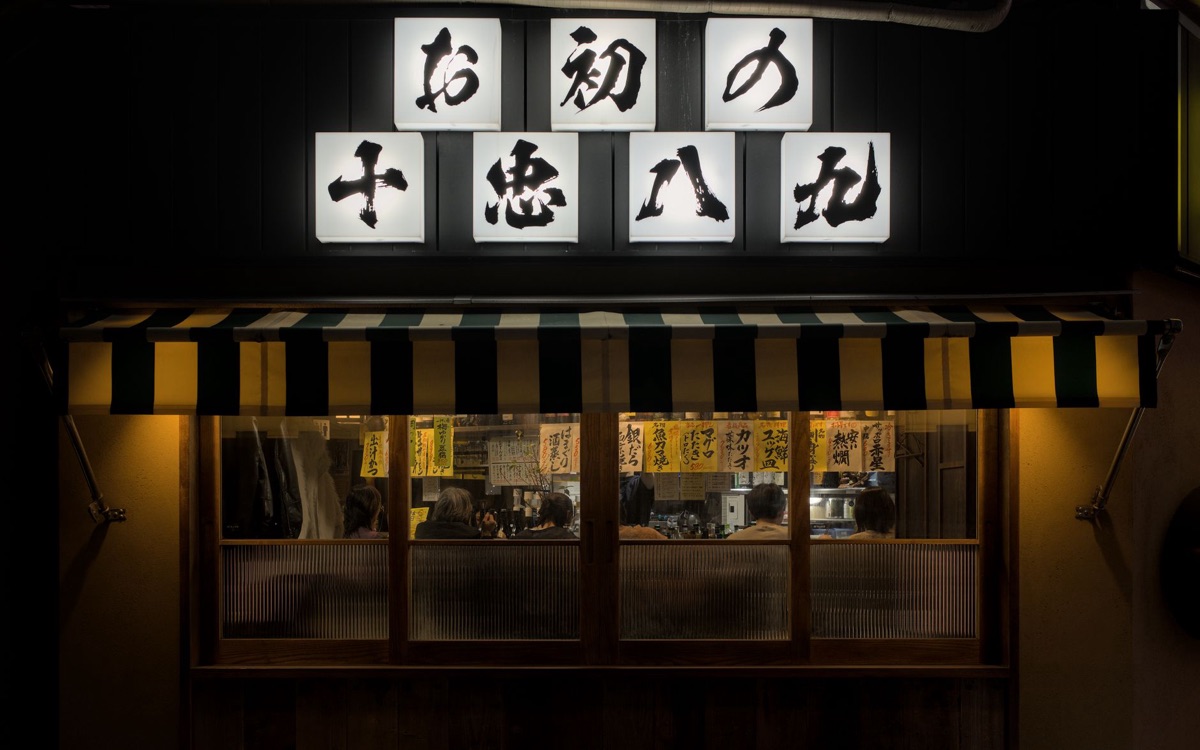
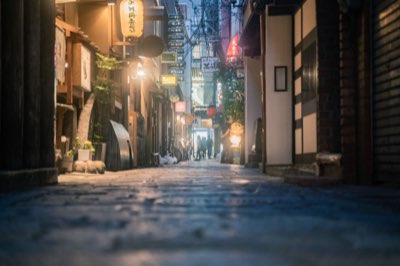
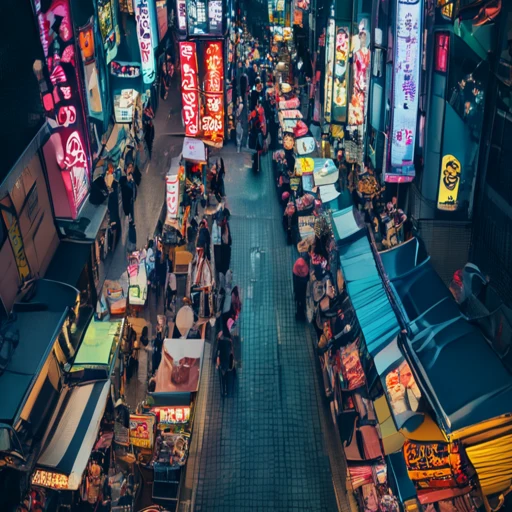
Where can I find the best authentic kushikatsu? Walking through the neon-lit corridors of Namba in the summer of 2026, the sheer number of signs can be overwhelming. You want the real deal, not just a tourist trap. Here are five legendary spots to guide your appetite.
1. Daruma (Shinsekai) This is the titan of the industry. If you want to see where the legend began, head to the original flagship. * Signature: Pork Skewer * Vibe: High-energy, legendary, and bustling.
2. Kushikatsu Ya Ebisu Located near the vibrant streets of Tennoji, this spot offers a slightly more refined but still deeply authentic atmosphere. * Signature: Beef Skewer * Vibe: Traditional, cozy, and local.
3. Yaekatsu A favorite for those who want to escape the heaviest crowds while still feeling the pulse of the city. * Signature: Shrimp Skewer * Vibe: Friendly, authentic, and approachable.
4. Kutsukura For those looking for a slightly more polished experience without losing the soul of the dish. * Signature: Vegetable Skewer * Vibe: Clean, organized, and perfect for groups.
5. Tenkasu A hidden gem for those who prefer a quicker, more casual bite between sightseeing stops. * Signature: Cheese Skewer * Vibe: Casual, fast, and efficient.
These locations offer a taste of history, but knowing where to go is only half the battle.
How do I order and eat like a local? The sound of a heavy ceramic bowl hitting a wooden table signals the arrival of the dipping sauce, and this is where the tension begins for first-timers. You look at the communal bowl, then at the crowd, wondering if there is a secret rule you missed.
The most important rule in any Osaka Kushikatsu shop is the "No Double-Dipping" policy. The sauce provided in the communal bowl is for a single dip only. If you dip a skewer, you cannot put it back into the sauce to coat it further. This is a matter of hygiene and respect for the shared vessel.
If you need more sauce, you must ask for a fresh pour or use a separate small dish if provided.
When ordering, do not try to eat ten skewers at once. The best way to experience Kushikatsu is through a sequential approach. Start with lighter, vegetable-based skewers to whet your appetite, move to seafood or pork, and save the heavier, meat-heavy items for the middle of your meal.
This prevents "palate fatigue," where the grease becomes overwhelming before you can finish your feast.
| Feature | Sequential Ordering | All-at-Once Ordering |
|---|---|---|
| Flavor Variety | High (cleanses palate) | Low (gets heavy quickly) |
| Texture | Maintains crispiness | Risk of sogginess |
| Best For | Long, leisurely dinners | Quick, hungry snacks |
Mastering the order is key, but there is a specific ritual to follow to ensure you don't miss a single flavor note.
How to Perfect Your Meal: A Step-by-Step Checklist
A cold glass of beer condensation-dripping onto the table is the perfect companion to a hot, crispy skewer. The sharp, bubbly carbonation cuts through the richness of the fried coating, making every bite feel as fresh as the first.
When I first visited a shop in Namba in early 2026, I was overwhelmed by the menu. I realized that following a specific order makes the experience much more enjoyable.
- Start Light: Order 2 or 3 vegetable skewers (like lotus root or shiitake) to awaken your taste buds.
- Introduce Seafood: Move to shrimp or squid to add texture without being too heavy.
- The Main Event: Order your pork or beef skewers when you are ready for the heart of the meal.
- The Palate Cleanser: Between heavy meat rounds, take a sip of a highball or a bite of pickled vegetables.
- The Final Crunch: End with a slightly sweeter or cheese-based skewer to round out the flavors.
This methodical approach ensures you don't hit a "wall" halfway through your meal.
Beyond the Dish: Pairing & Perfecting Your Visit
A cold glass of beer condensation-dripping onto the table is the perfect companion to a hot, crispy skewer. The sharp, bubbly carbonation cuts through the richness of the fried coating, making every bite feel as fresh as the first.
To perfect your visit, consider your location. If you are staying in Umeda, you might find more modern, upscale versions of these shops. If you are looking for the heart of the tradition, Shinsekai is your destination.
* Drink Pairing: Highballs (whisky and soda) are a local favorite for cutting through grease. * Side Pairing: Pickled vegetables (tsukemono) help cleanse the palate between different types of meat. * Route Tip: Most of these spots are easily accessible via the Midosuji Line, making them perfect stops between visits to Osaka Castle or Dotonbori.
But what happens when the heavy flavors start to weigh you down?


Comments 0