Osaka Castle: From Siege Fortress to Modern Cultural Heart
"A fortress built to command an empire has transformed into a sanctuary that defines a city's soul."
The transition of Osaka Castle from a bloody battlefield of the Sengoku period to a serene centerpiece of a global metropolis is one of history's most dramatic evolutions. It stands not just as a monument to fallen warriors, but as a living anchor for the identity of the Kansai region.
* The castle’s history mirrors the dramatic shifts in Japanese power structures, from warring states to modern urban centers. * Its physical location reflects deep geological history, contrasting with its modern role as a cultural touchstone. * The castle serves as a tangible link between feudal ambition and contemporary Osaka’s vibrant economic pulse. * Its preservation is crucial for understanding the deep roots of regional culture.
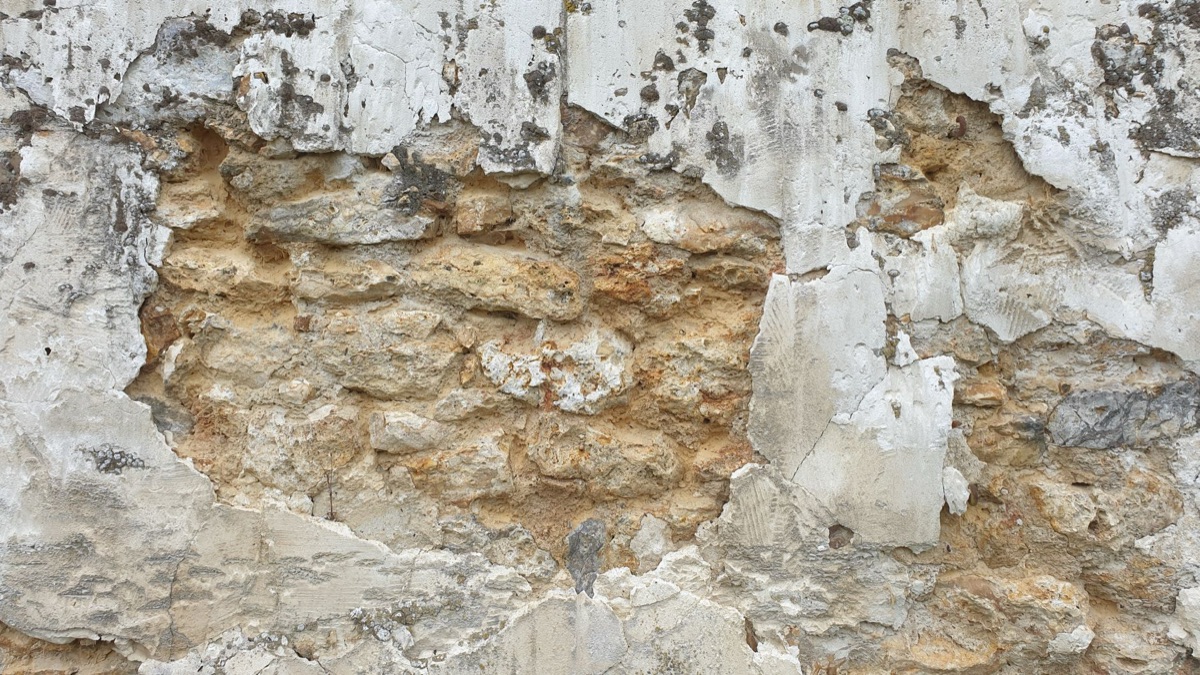
How did the castle evolve from a fortress to a symbol? At dawn, the cold morning mist clings to the massive stone walls, masking the rough texture of the granite.
The morning mist clings to the massive stone walls of the outer moat, making the granite blocks look like sleeping giants. Standing at the base of the main keep, you can almost hear the phantom echoes of clashing steel and the heavy tread of samurai armor.
The castle's origins are rooted in the turbulent Sengoku period, a time of constant warfare where power was seized through sheer force. Built to serve as a seat of absolute authority, its strategic placement was designed to dominate the surrounding plains and control vital trade routes.
In its zenith, the castle was the heart of a unified regional power, a massive complex of fortifications that projected strength to every corner of the province.
Before the first stone was laid, the very ground beneath the castle was shaped by prehistoric forces. During the Jōmon period (7,000 BCE), the area we now call Osaka was largely submerged under water.
The Uemachi Plateau (上町台地, Uemachi Daichi) formed a 12 km (7.5 mi) long and 2.5 km (1.6 mi) wide peninsula that separated Kawachi Bay from the Seto Inland Sea.
This unique geography provided the high ground necessary for a fortress, but it also meant that the builders were working with a landscape that was once an island-like peninsula.
While the original structures were built for war, the sheer scale of the site laid the groundwork for the massive urban expansion that would follow centuries later.
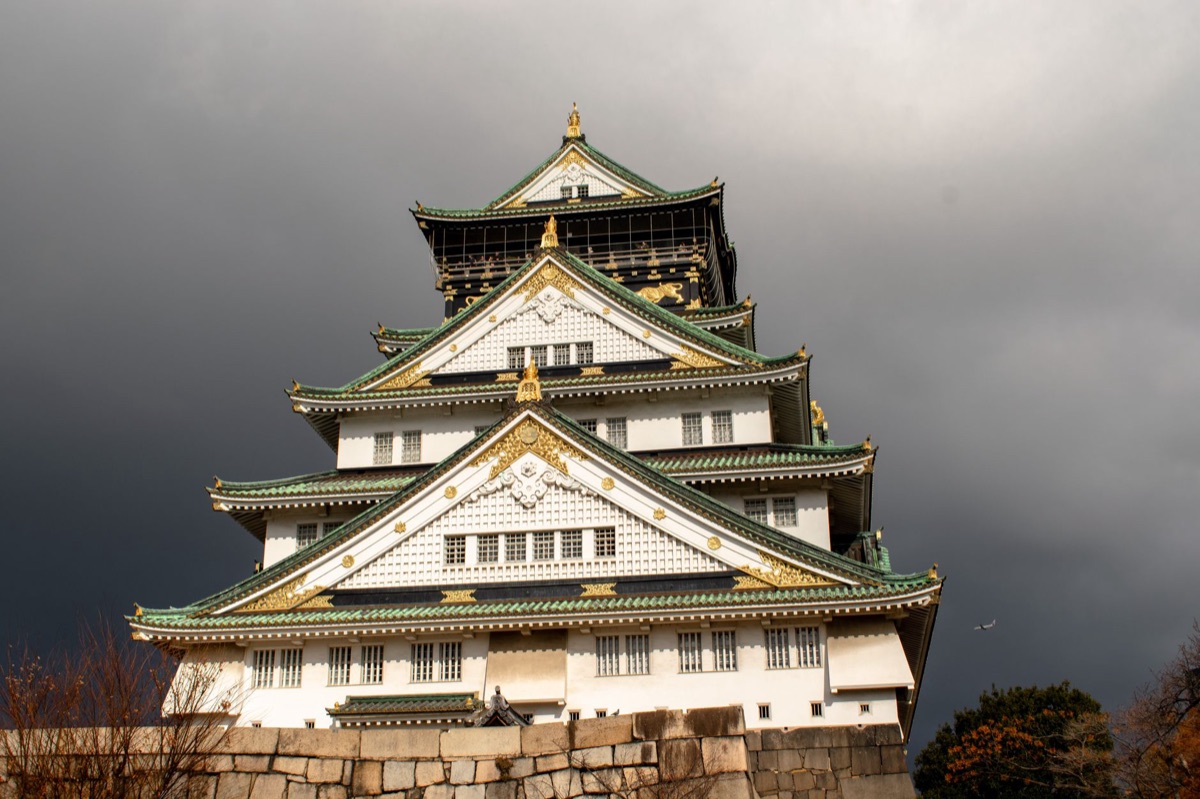
How do I navigate pivotal eras of change? Walking through the wide, gravel paths of the inner gardens, the transition from the era of swords to the era of bureaucracy feels palpable. The quiet dignity of the courtyard masks a history of fire, reconstruction, and political upheaval.
The castle faced numerous turning points, most notably during the transition from the feudal Tokugawa shogunate to the Meiji Restoration.
As Japan modernized, the castle’s role shifted from a defensive stronghold to a symbol of administrative power, and eventually, faced periods of obsolescence as the nation moved away from samurai rule.
Major fires and wars repeatedly forced the structure to undergo reconstruction, meaning the castle we see today is a layered testament to different eras of Japanese engineering.
The scale of the city changed drastically during these transitions. In 1889, when the modern municipality was first established, it occupied a relatively small area of just 15 km2 (5.8 sq mi), including the districts of Chūō and Nishi.
Through successive expansions, the city grew to reach an area of 222 km2 (86 sq mi). The castle remained a constant through these shifts in boundaries and political structures.
As the city grew around the fortress, the castle transitioned from a tool of control to a monument of heritage.
Osaka Today: The Castle as a modern Cultural Nexus
The sun reflects off the gold-leafed decorations of the main keep, drawing crowds of tourists from every corner of the globe. The sound of camera shutters and the chatter of multilingual guides fill the air, a stark contrast to the silent vigils of the past.
Today, the castle serves as a major cultural landmark and a primary driver of the local economy. It is no longer a place of exclusion, but a place of inclusion, drawing millions of visitors who fuel the surrounding hospitality and retail sectors.
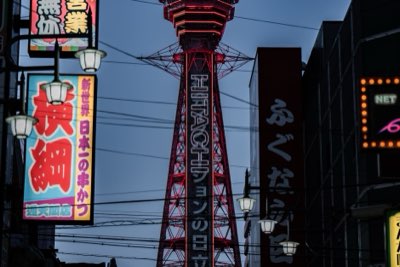
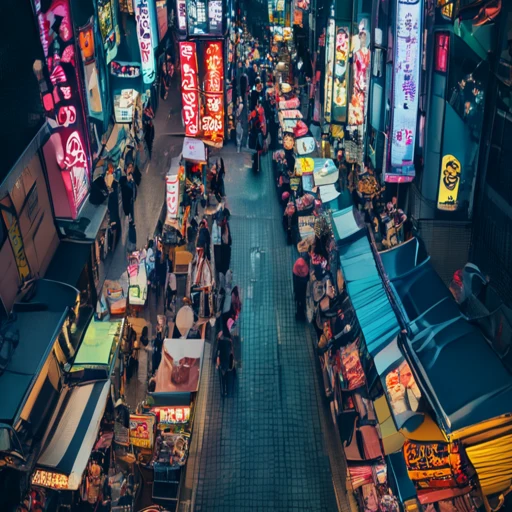
In the context of modern Osaka, the castle provides a historical weight that balances the neon-lit energy of Dotonbori and the high-octane excitement of Universal Studios Japan (USJ).
The castle’s presence is vital to the city's identity. It acts as a cultural anchor, ensuring that even as Osaka grows into a high-tech commercial hub, its historical roots remain visible.
This tourism-driven economy supports a vast network of local businesses, from traditional tea houses to modern souvenir shops.
This modern role ensures that the legacy of the Tokugawa and Toyotomi eras remains relevant to a globalized audience.
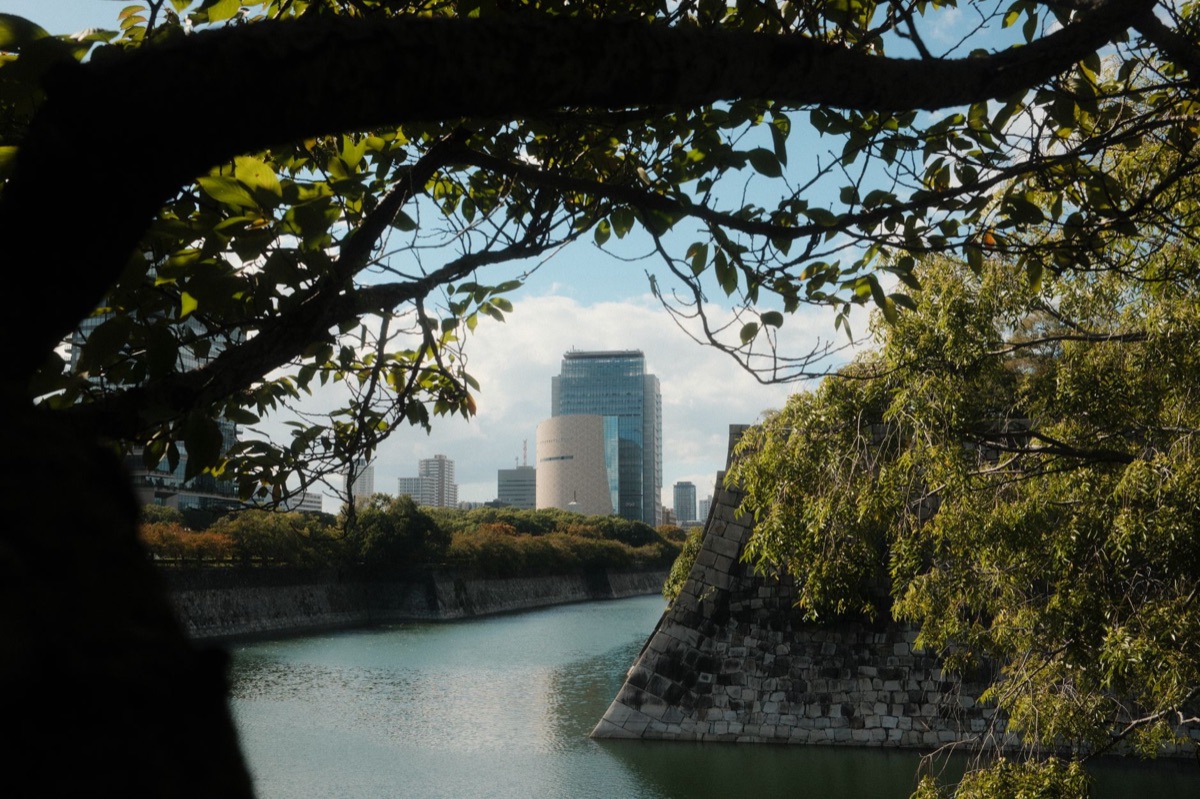
Echoes of the Past in Present Life: Bridging Eras
Standing on the top observation deck, looking out over the sprawling skyline of modern skyscrapers, the juxtaposition of old and new is overwhelming. The massive stone ramparts below seem to hold the weight of centuries against the backdrop of glass and steel.
The castle’s historical function was centered on defense and the projection of power, but its modern function is centered on cultural preservation and tourism. Despite this shift, the core essence remains: the castle is a symbol of strength and resilience.
It embodies the "Kansai DNA"—a mix of deep-rooted tradition and a vibrant, sometimes rebellious, spirit that has defined the region for generations.
While the scale of its influence has shifted from military dominance to cultural influence, the castle remains the heart of the city. It represents the transition from a feudal society to a globalized powerhouse, bridging the gap between the warriors of old and the entrepreneurs of today.
The castle is not just a relic; it is a living part of the city's ongoing story.
Beyond the Walls: Osaka's Wider Context
Driving through the city streets, you realize that the modern layout of Osaka is a patchwork of historical layers. The wide avenues and dense commercial districts are built upon the bones of an ancient maritime and political hub.
According to World Bank data, Japan recorded international tourist arrivals of 4,115,800 in 2020.
Osaka does not exist in a vacuum; it is part of the broader Kansai cultural sphere, closely tied to the historical weight of Kyoto and the ancient heritage of Nara. While Kyoto represents the imperial past, Osaka has always been the pragmatic, commercial heart.
The city’s ability to grow and adapt is rooted in its unique geography and its history of being a hub of trade.
The scale of the city is immense. In 2005, the census recorded 2,628,811 residents in Osaka, showing a steady growth from the 2,622,724 recorded in 2000. This density and growth are built upon the foundation of the Uemachi Plateau and the coastal developments that once defined the region.
The castle stands as the sentinel over this vast, evolving population.
| Feature | Historical Era | Modern Era |
|---|---|---|
| Primary Function | Military Defense & Power Projection | Tourism & Cultural Preservation |
| Access | Restricted to Samurai/Ruling Class | Open to the Global Public |
| Economic Role | Center of Feudal Taxation/Trade | Major Driver of Regional Tourism |
| Physical State | Active Fortress/War Zone | Protected Historical Landmark |
#


Comments 0