Sightseer vs. Explorer: Navigating Kansai Transit Passes
"Don't let a confusing transit map ruin your first takoyaki run."
If you are staring at a screen full of colorful rail passes and wondering if you are about to waste fifty dollars, you are not alone. Choosing the wrong pass can turn a seamless trip into a logistical nightmare of extra fees and missed sights.
* Match your travel style (Sightseer, Explorer, or Combo) to the specific pass type. * Understand that coverage varies from city-only transit to wide-range regional rail. * Learn when to combine passes to maximize your budget without overpaying for unused rides.
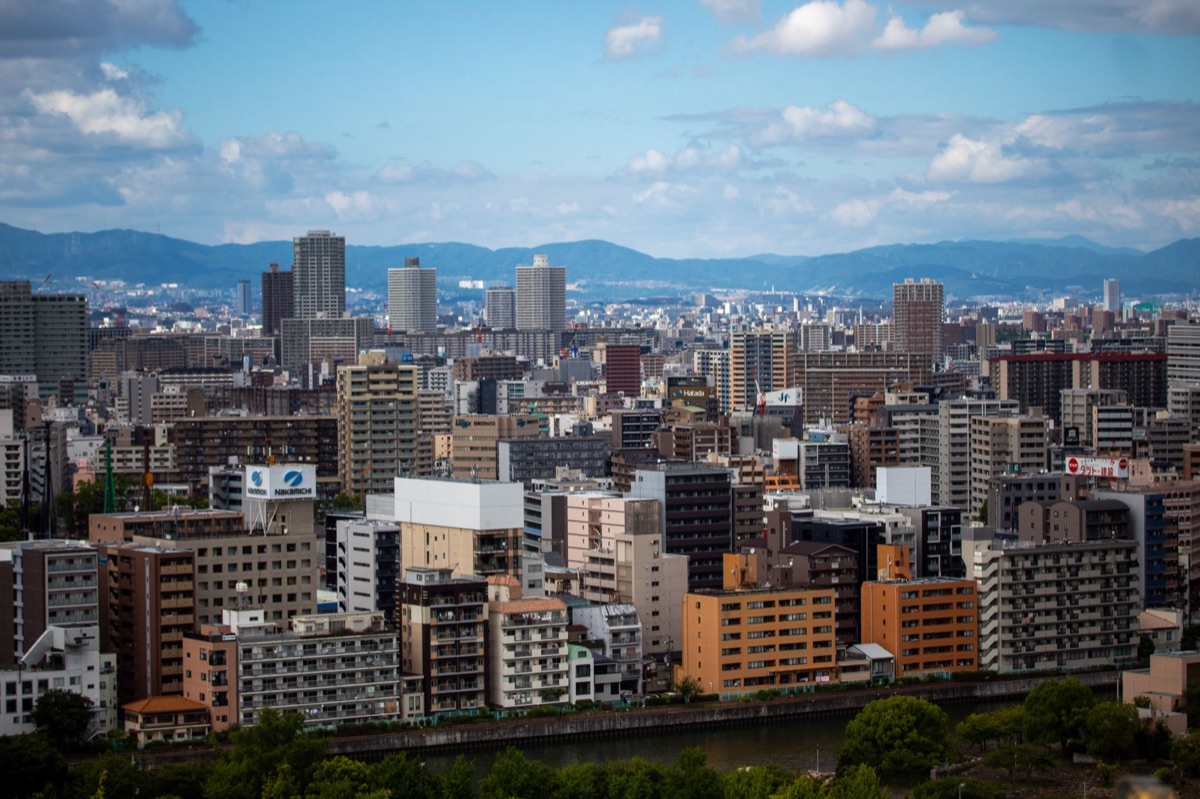
Which three Kansai pass types are there? I stood in the middle of Namba Station in late 2025, surrounded by the hum of commuters and the smell of nearby street food, clutching a printed itinerary and feeling completely overwhelmed by the ticket machines.
The fluorescent lights of the station felt too bright as I stared at a map of the Osaka Metro, wondering if my planned route would even be valid.
I realized then that there isn't just one "Kansai Pass"—there are different strategies depending on whether you want to see a castle or a temple.
The first category is the Sightseer Pass. These are designed for those who want to stay within the city limits of Osaka or Kyoto to hit major landmarks like Osaka Castle or the Umeda Sky Building. They often bundle local subway rides with entry fees to various attractions.
The second category is the Transit/Explorer Pass. This is for the traveler who treats Osaka as a base camp. If you plan to wake up in Osaka, head to the deer in Nara in the morning, and end your day in Kyoto, you need the wide-reaching coverage of a regional rail pass.
The third category is the Attraction/Combo Pass. These are more specialized, often focusing on bundled experiences like specific theme park access or dining vouchers. They target the traveler looking for deep immersion rather than just getting from point A to B.
But knowing the categories is only the beginning of the puzzle.
How Do They Differ? A Side-by-Side Breakdown
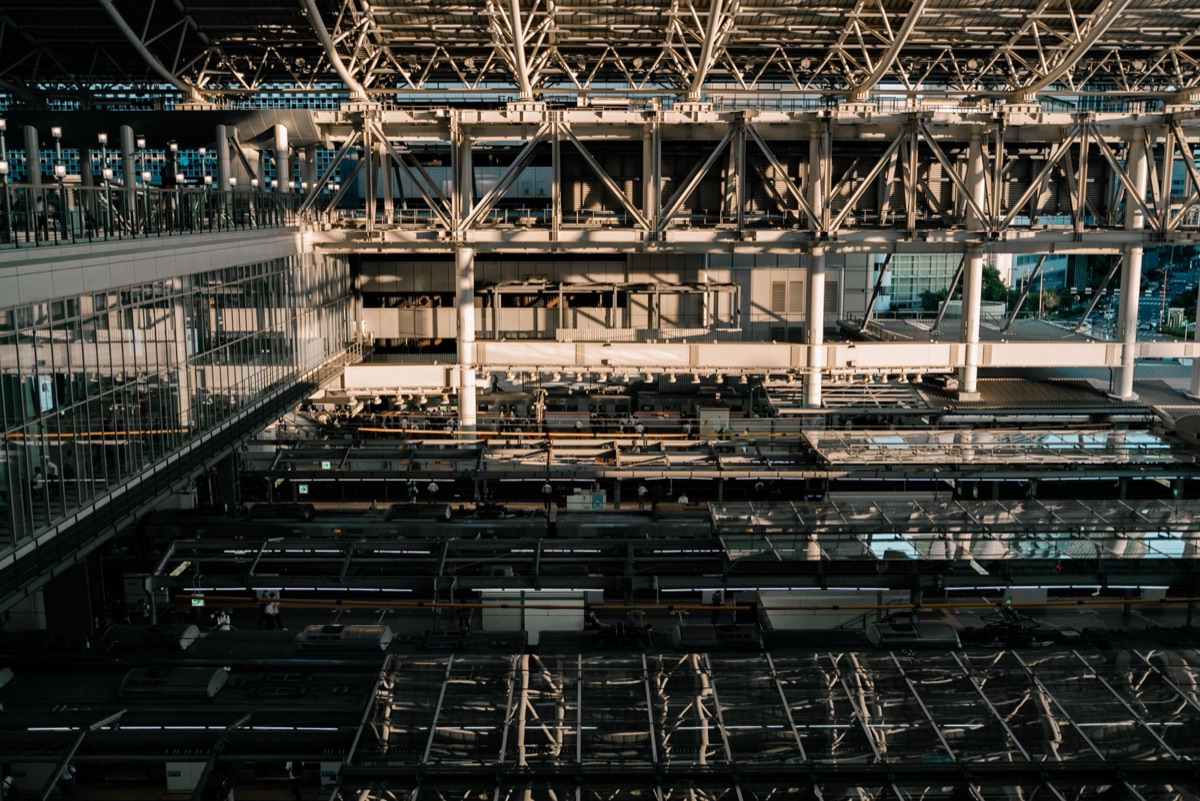
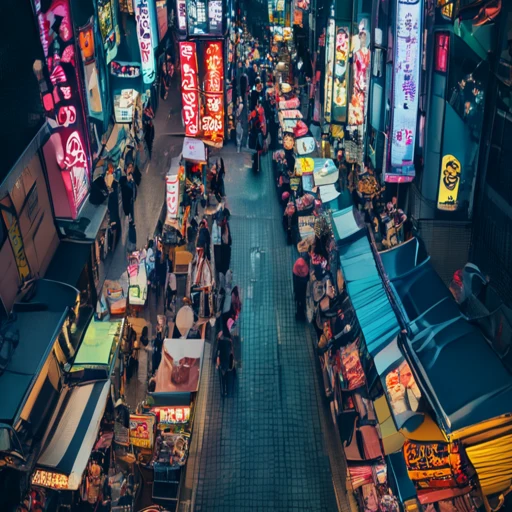
The sun was setting over the Dotonbori canal in late 2025, reflecting neon lights onto the water as I sat at a small table, comparing my spending versus my planned routes. I had a notebook open, a half-eaten plate of octopus balls to my left, and a growing sense of math-induced anxiety.
To make a decision, you have to look at the math of your itinerary.
| Feature | Sightseer Pass (Local) | Transit/Explorer Pass (Regional) | Attraction/Combo Pass |
|---|---|---|---|
| Primary Focus | City landmarks & local subways | Travel between cities (Kymost/Nara) | Bundled experiences & perks |
| Geographic Scope | Limited to specific city zones | Wide coverage (Kansai region) | Specific attraction locations |
| Cost Level | Low to Moderate | Moderate to High | Variable (Includes extras) |
| Best For | Urban explorers & shoppers | Day-trippers & multi-city travelers | Theme park fans & foodies |
When looking at cost versus value, the "break-even" point is your most important metric. If a local pass costs $20 but you only take two subway rides totaling $10, you are losing money.
Conversely, a regional pass that costs $60 might seem expensive until you realize it covers a $15 train ride to Nara that would have cost you much more separately.
The usage scope is the biggest trap. Some passes only cover private rail lines, while others cover JR lines. If you buy a pass that doesn't cover the specific line your hotel is on, you will end up paying out of pocket anyway.
The math is clear, but applying it to a real-world schedule is where things get tricky.
Which pass fits my itinerary best? I remember a group of travelers I met in Shinsaibashi in early 2026; they had spent a fortune on a premium regional pass only to realize they never left the city limits, essentially throwing money away.
They stood by a vending machine, looking at their expensive plastic cards and then at the cheap local tickets they should have bought instead. Your itinerary dictates your wallet.
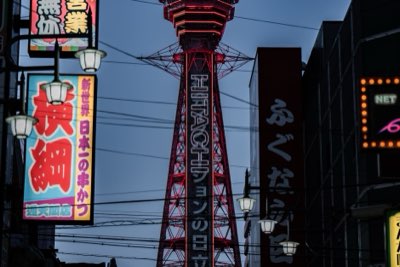
Scenario 1: The Sightseeing Marathon If your goal is to maximize views within a single city—hitting the Umeda Sky Building in the morning and wandering through Shinsekai in the evening—choose a local Sightseer Pass.
These are designed for high-frequency, short-distance travel within a metropolitan area.
Scenario 2: The Day-Tripping Adventure If you are setting up your hotel in Osaka but plan to visit Kyoto's temples one day and Nara's giant Buddha the next, you need a Transit/Explorer Pass. This coverage is essential for those moving between different prefectures.
Scenario 3: The Thrill & Feast Combo If your trip is built around specific high-cost events—like a full day at Universal Studios Japan or a series of high-end dining experiences—an Attraction/Combo Pass might be the way to go.
These often provide the best value when the "extra" perks are actually part of your planned schedule.
However, even the best plan can fall apart if you don't follow a specific preparation process.
How to Choose Your Pass: A Step-by-Step Checklist
Imagine you are sitting in your hotel room in Osaka at 8:00 AM on your first day of travel. You have your phone in one hand and a map in the other, trying to figure out if you should head to the station right now. To avoid the mistakes I made, follow this specific sequence:
- Map your daily destinations: Write down every single station you plan to visit for the next three days.
- Check the rail companies: Identify if your destinations are served by JR lines, private lines (like Kintetsu or Hankyu), or city subways.
- ly. Calculate the "Single-Trip Total": Add up the cost of individual tickets for your planned routes.
- Compare to the Pass price: If the total individual cost is significantly higher than the pass, buy the pass. If it is lower, stick to a rechargeable IC card.
- Verify coverage: Double-check that the pass you are about to buy actually includes the specific lines you identified in step 2.
If you skip even one of these steps, you might end up paying for a pass that doesn't even get you to your hotel.
Beyond the Pass: Maximizing Your Spend
Walking through the crowded aisles of a department store in Umeda in 2026, I realized that sometimes the best way to save money isn't to buy a big pass, but to buy nothing at all. According to World Bank data, Japan recorded an agricultural land share of 12.6% in 2023.
I remember looking at a massive regional pass and then looking at my walking shoes, realizing I didn't need to travel 50 kilometers just to see a different kind of convenience store.
The "Combo Play" is a professional traveler's secret. Sometimes, it is smarter to buy a local city pass for your heavy sightseeing days and a separate regional ticket only for the specific day you travel to a far-off city.
This prevents you from paying for a massive regional pass on days you are just walking around local streets.
There is also the "Don't Need It" scenario. If you are staying in one neighborhood for your entire trip—say, staying in Namba and only visiting local spots—you might find that simply using a rechargeable IC card (like ICOCA) is cheaper and much more flexible than any pass.
Finally, always perform a logistics check. Before you buy, check if the pass covers the specific rail company you need. Some passes are strictly for subways, while others are for JR trains. If you mix them up, you might find yourself stuck at a ticket gate with a useless piece of paper.
It is important to note that these strategies do not apply if you are traveling with heavy luggage or mobility aids that require specific elevator-access routes, as some local passes may limit you to certain station types.


Comments 0