Dotonbori Food Tour: 7 Stops in 3 Hours Strategy Guide
"If you try to eat a full meal at every stall, you won't survive the night; you must eat to live, not live to eat."
To conquer Dotonbori in three hours, you must treat your stomach like a strategic reserve rather than an all-you-can-eat buffet. By focusing on high-impact, small-batch tastings instead of heavy sit-down meals, you can hit seven distinct flavor profiles without hitting a wall.
* Time Management is Key: A successful 3-hour run requires pre-planning and minimizing queue time. * The 7-Stop Strategy: Sequencing matters; optimize movement between geographically clustered food vendors. * The "Mukbang Mindset": Focus on small, high-impact bites rather than large, drawn-out meals. * Pacing Guide: Allocate strict time blocks per stop to maintain momentum.
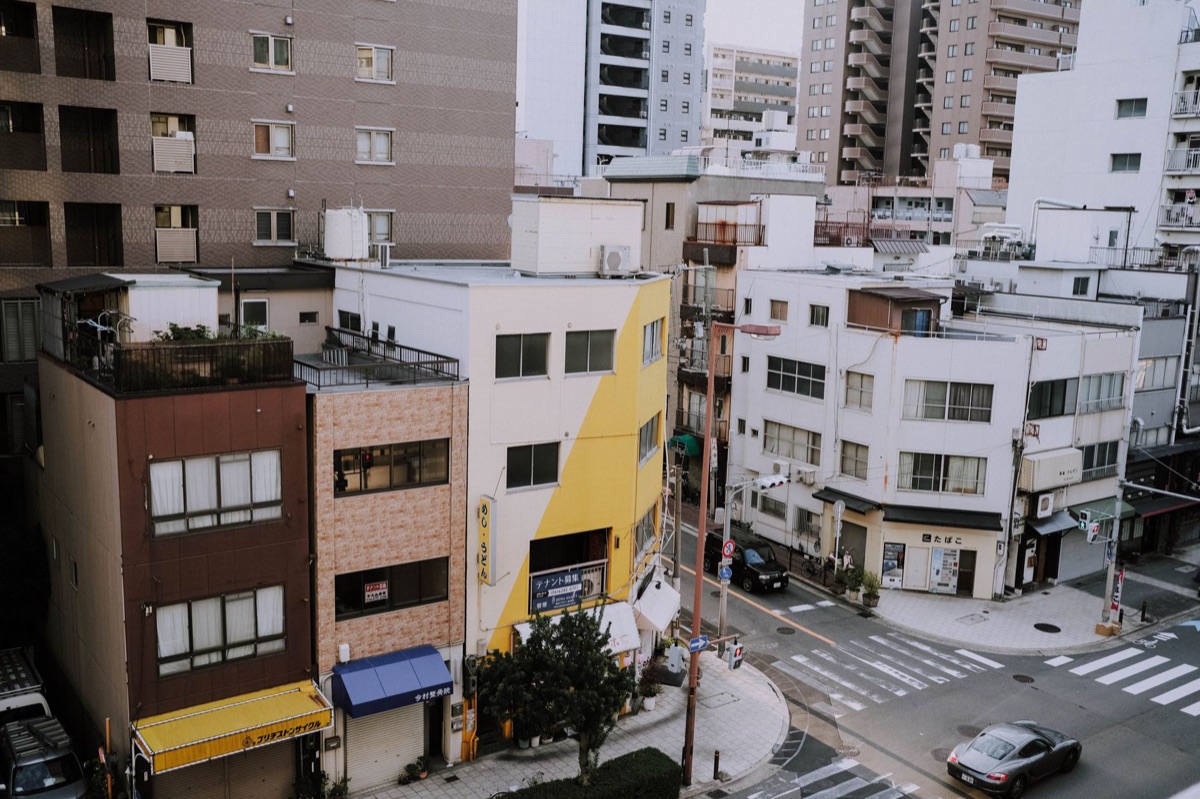
Why 3 hours is enough to see everything
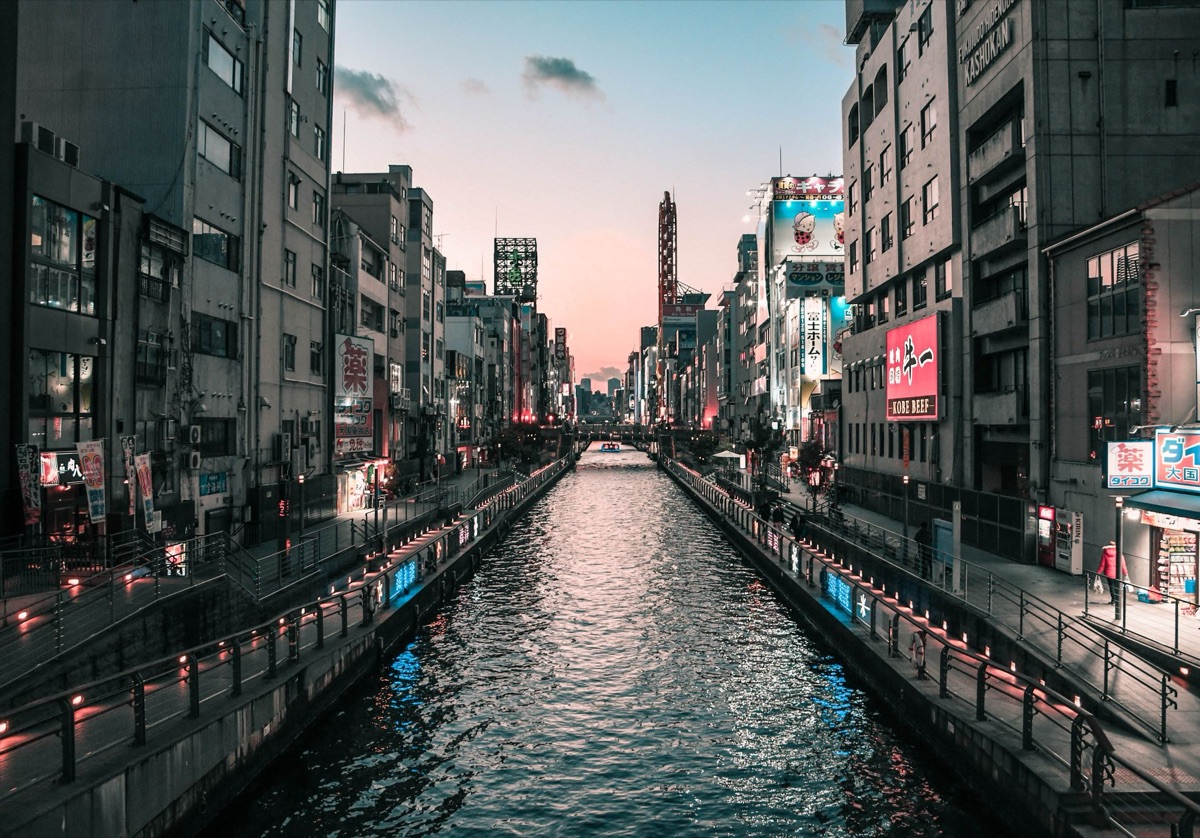
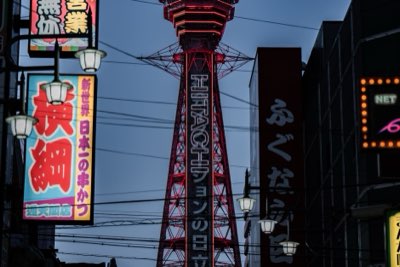
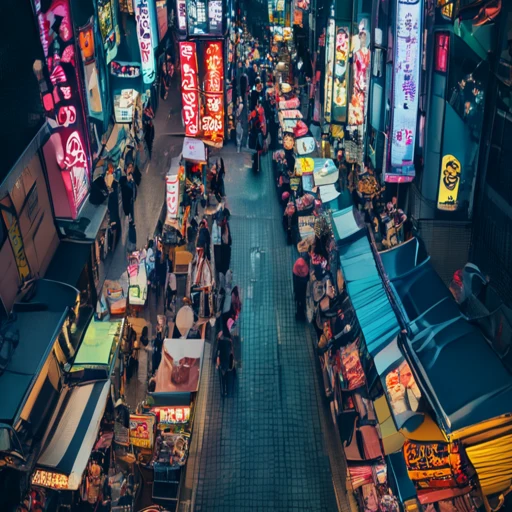
The neon lights of the Glico Man sign flicker against the dark water of the canal as I stand at the edge of the bridge, checking my watch. It is 6:00 PM, and the humidity of the Osaka evening clings to my skin like a second layer of clothing.
According to World Bank data, Japan recorded international tourist arrivals of 4,115,800 in 2020.
I have exactly 180 minutes to navigate the narrow, crowded corridors of Dotonbori and hit seven legendary food targets.
The biggest mistake travelers make is treating a "food tour" like a series of dinners. If you sit down for a steaming bowl of ramen at 6:15 PM, your mission is effectively over before it begins. To achieve a 7-stop run, you must redefine what a "stop" is.
In this context, a stop is a tasting—a specific, curated portion of a signature dish designed to satisfy a craving without inducing a food coma.
This is the essence of *Kuidaore*, the local philosophy of "eating until you drop." While the phrase implies excess, the strategic version of *Kuidaore* is about maximizing sensory variety.
You aren't looking for fullness; you are looking for the perfect hit of dashi, the crunch of a batter, or the spice of a sauce. By choosing street-style vendors over seated restaurants, you bypass the heavy service and stay mobile.
Success requires a mental shift from "filling up" to "sampling." You are essentially a culinary scout. If you walk into a shop and see a line of twenty people waiting for a single bowl of noodles, you must have the discipline to pivot. Decision paralysis is the enemy of the 3-hour timeline.
You must know exactly what you want to taste before you even step foot on the pavement.
But knowing what you want is only half the battle; you also need a way to get there.
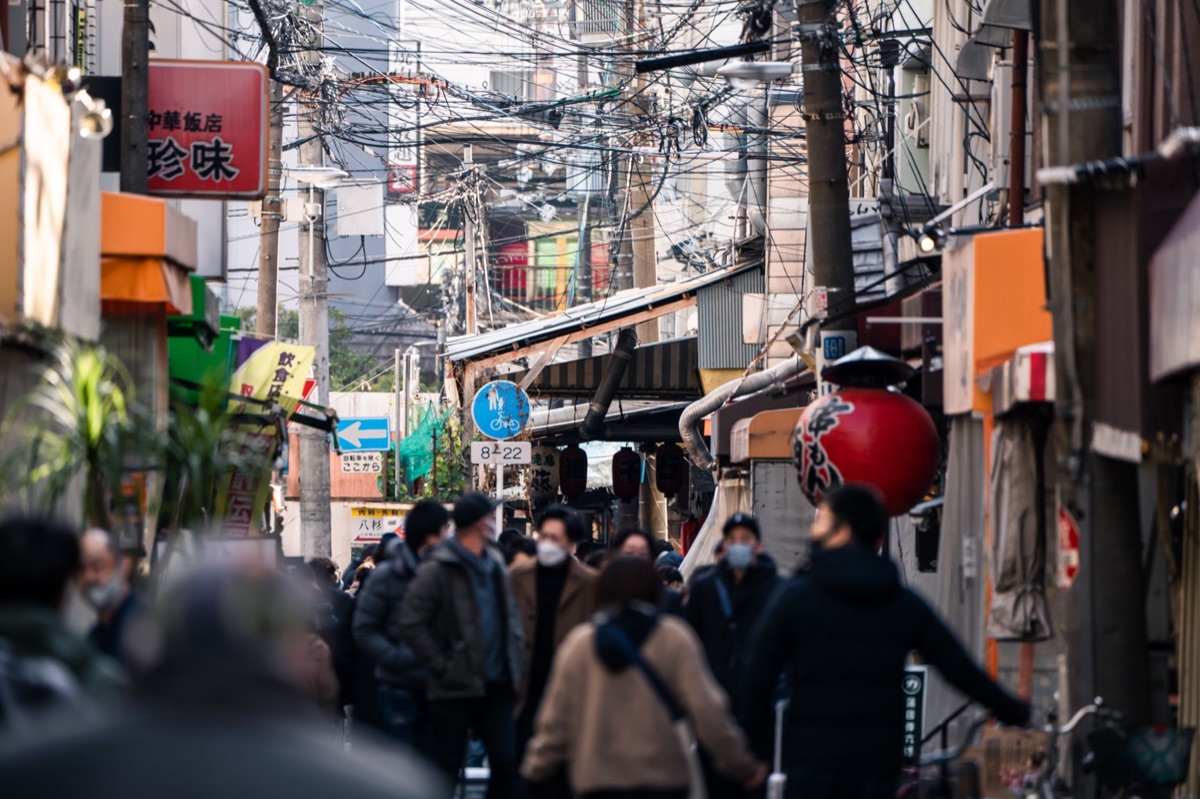
What is the best way to sequence my 7 stops? I stand at the corner of the canal, looking at a hand-drawn map of the district. The streets are a labyrinth of narrow alleys and wide thoroughfares, and the crowds are already thickening.
I need a path that flows logically from the water toward the Namba station exit to ensure I don't waste time backtracking through the crowds.
To make this work, you must group your targets by geography and flavor profile. A common mistake is jumping from a heavy fried dish to another heavy fried dish.
Your sequence should ideally follow a rhythm of: Salty/Savory → Light/Fresh → Heavy/Fried → Sweet/Refreshing.
Here is a sample 7-stop target list designed for a 3-hour window:
| Stop Type | Target Flavor | Strategy |
|---|---|---|
| 1. Takoyaki | Savory/Octopus | Grab-and-go at a famous stall near the canal. |
| 2. Kushikatsu | Fried/Crunchy | One or two skewers of seasonal vegetables or meat. |
| 3. Okonomiyaki | Savory/Hearty | A "mini" portion or a shared slice from a counter. |
| 4. Ramen/Udon | Broth/Noodle | A small-sized bowl or a "half-portion" option. |
| 5. Sushi/Sashimi | Fresh/Clean | A single premium piece of nigiri or a small roll. |
| 6. Yakitori | Grilled/Smoky | One skewer of chicken or seasonal vegetable. |
| ly 7. Taiyaki/Crepe | Sweet/Dessert | A handheld sweet to end the run. |
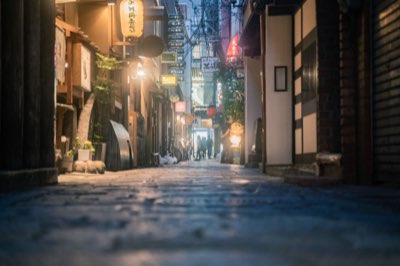
The most efficient route starts near the Glico Man sign, moves deep into the side streets of Hozenji Yokocho to find more traditional flavors, and concludes near the Namba station area. By moving in a single direction, you minimize the time spent fighting the crowd.
If you find a line that looks like it will take 30 minutes, you must skip it. In a 3-hour mission, a line is a tactical obstacle, not a destination.
But how do you actually manage the clock when the smells are so distracting?
How do I master my 3-hour timeline? The sun has dipped below the skyline, and the giant mechanical crabs on the storefronts seem to come alive in the twilight. I tighten my laces and check my phone. The countdown begins now. The transition from the quiet of the preparation to the sensory overload of the street is immediate.
To execute this, you must follow a strict time budget. You cannot afford to linger.
- Phase 1: Ignition (0:00 - 0:30): Your first stop should be something easy to eat while walking, like Takoyaki. This gets your energy up and sets the pace.
- Phase 2: The Core Run (0:30 - 2:30): This is the meat of the mission. You will hit four to five stops in this window. Each stop must be completed within 15 to 20 minutes. This includes the time spent standing in a line, ordering, eating, and taking a quick photo. If a stop takes longer than 20 minutes, you have failed your timeline.
- Phase 3: Grand Finale (2:30 - 3:00): The final stop should be something sweet or a lighter snack that acts as a palate cleanser. This is also your transition period to head toward your next destination or transport hub.
If you hit a "bottleneck"—an unexpectedly long line—you must use the Pivot Point rule. If the line doesn't move within five minutes, move to your secondary choice immediately. Do not let "sunk cost fallacy" ruin your ability to hit the other six stops.
If you manage your time well, you'll find yourself with a little breathing room. But what happens if you want to go even further?
Beyond Dotonbori: Nearby foodie targets
The smell of grilled meat wafts from a nearby alley, mixing with the scent of rain on hot asphalt. I realize that even after three hours, the city feels like it has much more to offer. The 3-hour mission is a sprint, but Osaka is a marathon.
If you find yourself with extra energy or if you finished your 7-stop run faster than expected, you can expand your territory. Shinsaibashi-suji, the long covered shopping arcade adjacent to Dotonbori, offers a different atmosphere with more retail-integrated snacks.
If you need a "recovery meal"—a place to finally sit down and digest—head toward the Namba walk or look for a quiet izakaya in the Hozenji Yokocho area.
For those who want to take the food experience to the next level after the sprint, a short train ride to Umeda offers high-end department store food halls that are perfect for a more refined, seated experience. However, for the pure adrenaline of the street, stay within the Namba/Dotonbori radius.
But even with a perfect plan, things can go wrong.
Pro-Tips for zero-stress eating
I sit on a small stone bench near a canal, wiping a bit of sauce from my chin. My stomach is full, but my mind is clear because I followed the plan. The transition from the frantic energy of the street to this moment of quiet satisfaction is the reward for a well-executed strategy.
To ensure your mission doesn't turn into a disaster, keep these practical tips in mind:
* Ordering Hacks: Many stalls in Dotonbori use a "cash only" or "IC card" system. Always have small denominations of yen ready to avoid fumbling with large bills at a busy counter. * Hydration is Mandatory: Do not rely solely on sugary sodas. Carry a bottle of water or grab a hot tea from a vending machine to help digest the salty foods. * The "Small Portion" Request: In some shops, you can ask for "small size" or "half portion." This is a legitimate way to try more variety without overindulging. * Pacing Gear: Carry a small pack of wet wipes. Eating street food is messy, and you don't want to walk to your next stop with sticky hands.
#

Comments 0