Osaka Transit Pass: 7 Options to Optimize Your Journey Value
"Stop guessing which Kansai Pass is right for you; this is the definitive breakdown to match your itinerary to the perfect ticket."
Choosing a transit pass in Japan can feel like trying to solve a complex math equation while standing in the middle of a crowded train station.
With so many options labeled "Kansai," "Osaka," and "Regional," it is easy to overspend on a pass you won't use or, worse, end up stuck with a ticket that doesn't cover your destination.
* The Sightseer: If you are hitting major landmarks like Osaka Castle and the Umeda Sky Building, an all-in-one attraction pass is your best friend. * The Foodie: If your goal is "Kuidao-re" (eating until you drop) in Dotonbori and local neighborhoods, stick to a standard transit pass and save the extra cash for Takoyaki and Kushikatsu. * The Thrill-Seeker: If your trip revolves around Universal Studios Japan, prioritize a standard entry ticket and spend your budget on an Express Pass instead of a transit bundle.

Which pass is right for my sightseeing goals? The sun hits the golden leaves of the trees surrounding Osaka Castle as you stand at the ticket kiosk, staring at a wall of colorful transit cards. You want to see the history, but you also want to see the skyline from the Umeda Sky Building.
The dilemma is whether to buy a pass that covers both transit and entry, or to pay as you go.
When you are focused on hitting as many landmarks as possible, you are looking at the difference between an "all-in-one" attraction pass and a standard transit pass. An attraction-heavy pass often includes free entry to places like the Osaka Museum of History or the Tempozan Ferris Wheel.
If you plan to enter at least three major paid attractions in a single day, the bundled pass usually pays for itself.
However, if your itinerary is spread out, a dedicated attraction pass might actually cost you more than paying individual entry fees.
For example, if you spend most of your time walking through markets or visiting shrines that don't charge admission, a transit-only pass is the smarter financial move. Always check if the pass covers the specific subway lines you need to reach the outskirts of the city.
The value proposition changes depending on your pace. A heavy sightseeing day might involve jumping between the subway and local buses. If your pass only covers the subway, you might find yourself digging for change to pay for a bus ride to a scenic park.
Always verify the "coverage area" on the map before you tap your card.
But there is a catch that most travelers don't realize until they are already on the train.
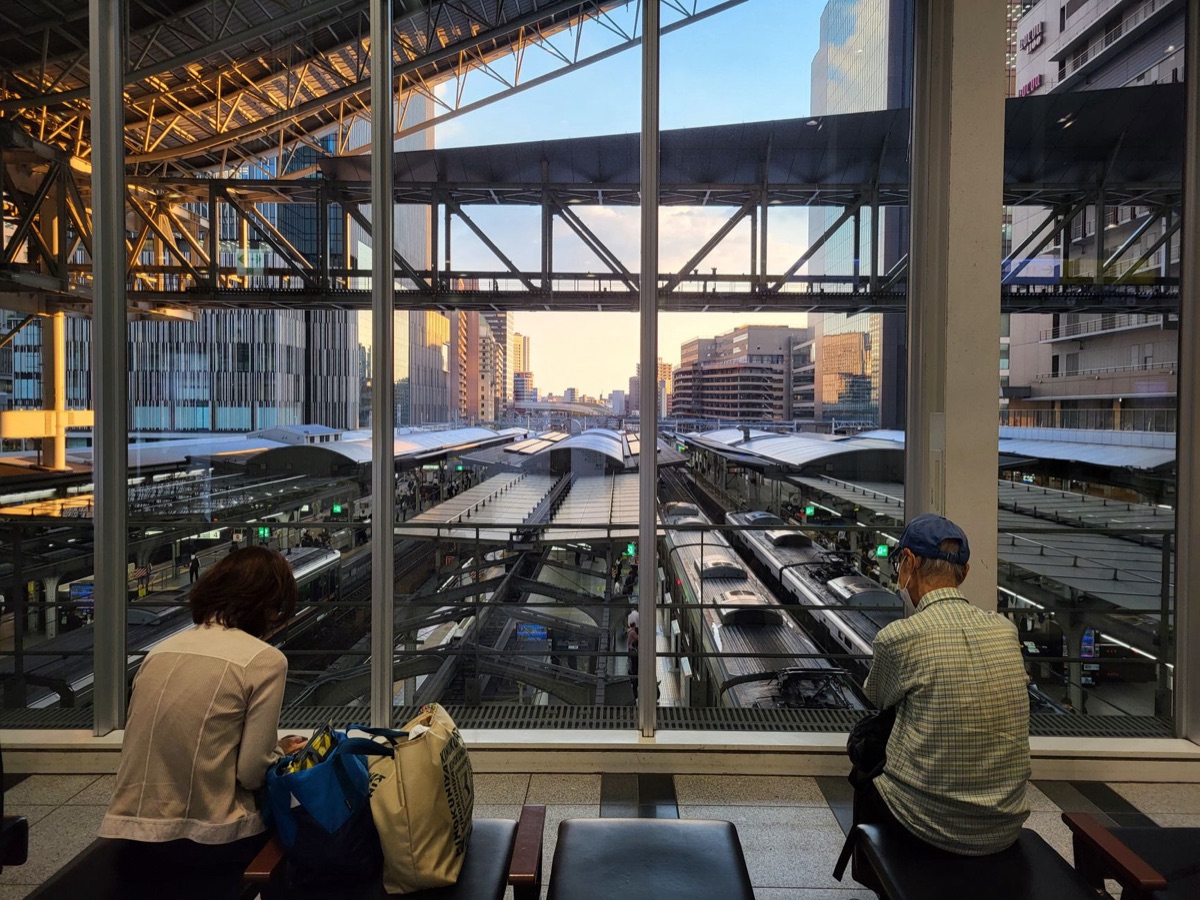
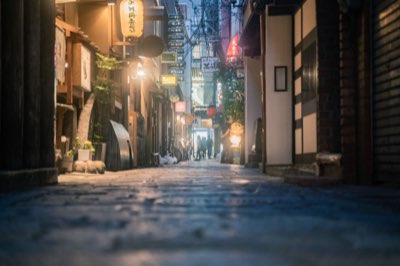
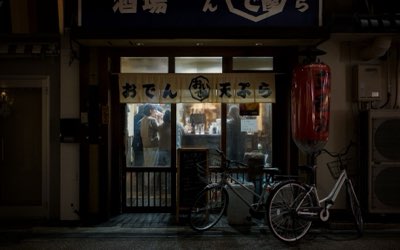
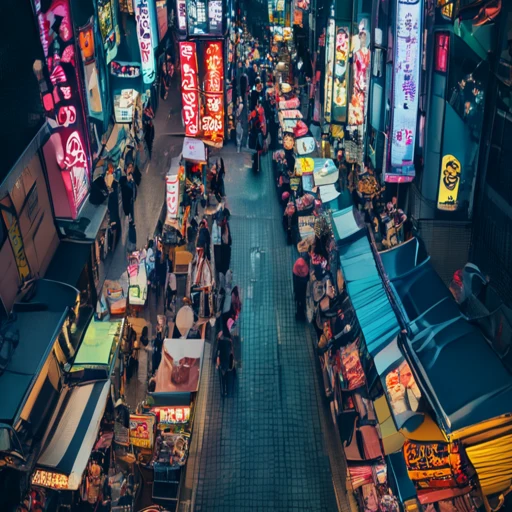
How can I experience local food through the Kuidao-re route? The smell of savory dashi and sizzling octopus hits you the moment you step into the neon-soaked streets of Dotonbori. You have a list of five different Takoyaki stands and a craving for crispy Kushikatsu in Shinsekai.
You realize that your transit pass doesn't cover the cost of a delicious meal, and you start wondering if you should have just kept the extra money in your wallet.
For the true foodie, the goal is "Kuidao-re"—the Japanese philosophy of eating until you go bankrupt. In this lifestyle, the transit pass should be invisible and efficient.
You don't need a pass that covers museums; you need a pass that gets you from the Namba district to the Kuromon Market quickly and cheaply.
A standard local transit pass or a loaded IC card (like ICOCA) is usually the best choice for a food-focused itinerary. These allow you to hop on and off trains and buses without worrying about "maximizing" the value of a single ticket.
If you spend $40 on a pass but only use it twice, you've essentially lost money that could have been spent on a high-end sushi dinner or a Wagyu beef feast.
When navigating the city to find the best ramen or okonomiyaki, flexibility is key. A transit pass that allows for easy transfers between different private rail lines and the subway gives you the freedom to follow your nose.
If a specific street corner in Tennoji looks promising, you want to be able to get there without checking a transit schedule first.
However, if your appetite leads you toward a theme park, the math changes entirely.
Universal Studios Japan (USJ) Strategy: Pass vs. Ticket vs. Express
The morning air is crisp at the entrance of Universal Studios Japan, and the sound of distant roller coasters creates a sense of excitement. You hold your smartphone in one hand and a printed ticket in the other, wondering if you should have invested more in the Express Pass.
The line for the Nintendo area is already stretching toward the horizon.
When planning a USJ visit, the most common mistake is overcomplicating the "pass" situation. There is no specific "USJ Transit Pass" that makes sense. Instead, you should view your budget in two distinct categories: the entry ticket and the Express Pass.
The entry ticket gets you through the gates, but the Express Pass is what saves your vacation.
An Express Pass is a separate product that allows you to skip the long queues for popular rides like Mario Kart or Harry Potter and the Forbidden Journey. While it is significantly more expensive than a standard ticket, the time saved is invaluable.
If you are visiting during a peak season or a special event, the time you spend standing in line could easily take up half your day.
To maximize your time, treat the transit to the park as a separate logistics task. Use a standard local pass to get to the Universal City Station and then focus your remaining budget on the park experience itself.
If you arrive at the gates right at opening time, you can often make significant progress on rides before the crowds catch up, potentially saving you the cost of an Express Pass.
But what happens when you want to leave the city behind entirely?
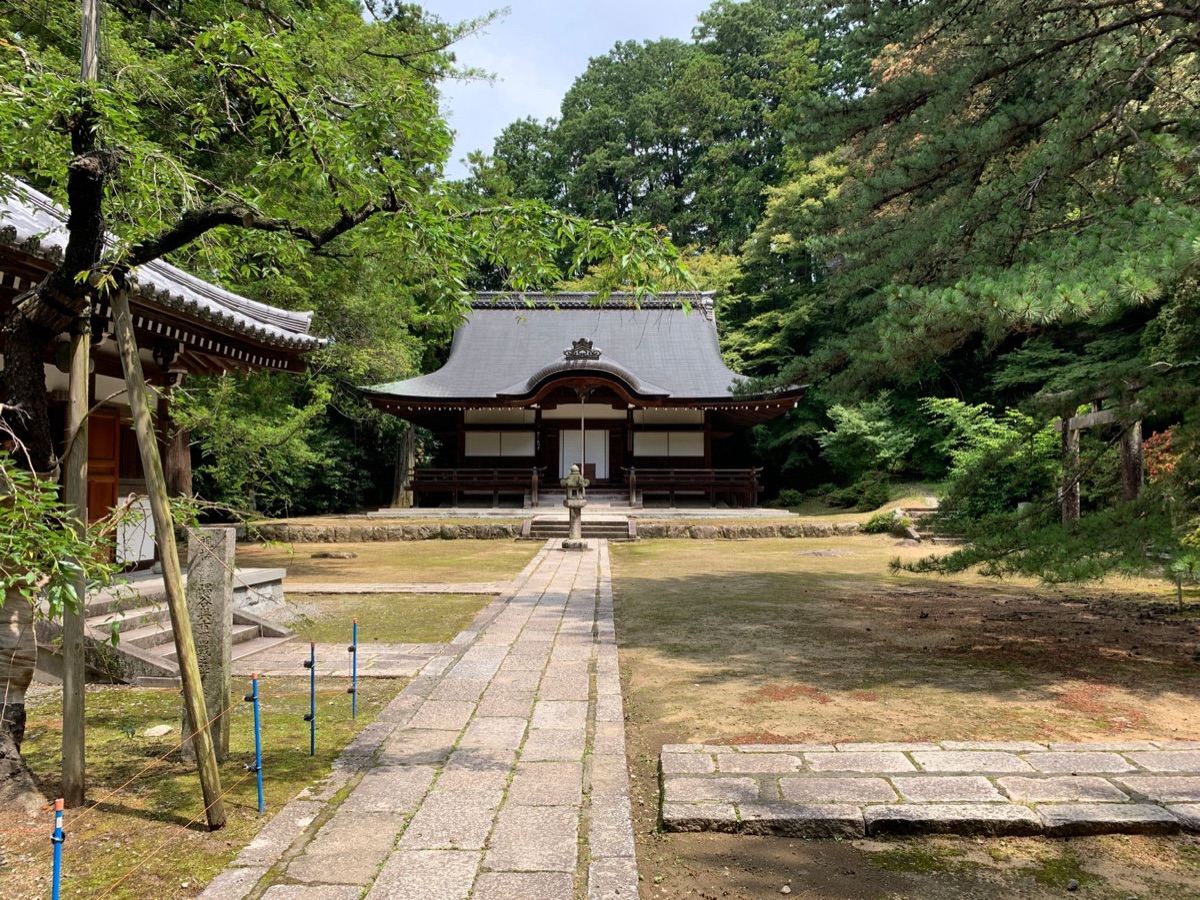
Beyond Osaka: Day Trips & Regional Exploration
You stand on the platform at Osaka Station, looking at the sprawling map of the Kansai region. To the east lies the ancient, quiet beauty of Kyoto; to the south, the friendly deer of Nara; and to the west, the scenic coast of Kobe.
According to World Bank, Japan recorded international tourist arrivals of 4,115,800 in 2020.
The sheer number of train lines makes you wonder which pass will actually get you to these cities and back.
When you plan to leave the city limits, the math changes. A pass that is great for traveling within Osaka might not cover the limited express trains needed to reach Kyoto or Nara efficiently. For travelers who plan to make multiple day trips, a regional Kansai-wide pass can be a massive money-saver.
These passes often cover the major lines that connect the different prefectures.
Consider a sample itinerary: spend three days based in Osaka and take one day trip to Kyoto. In this scenario, a regional pass that covers the transit between Osaka and Kyoto might be worth it.
However, if you are only going to one nearby city and coming straight back, it is often cheaper to just buy individual tickets or use a loaded IC card.
Always check the "type" of train the pass covers. Some regional passes only allow you to use local and rapid trains, meaning you might have to take a slower route to avoid paying extra for a "Limited Express" or "Special Rapid" seat.
If you value speed and comfort, make sure your pass or your extra ticket covers the faster services.
But before you can enjoy any of this, you need a plan for where to land.
The Logistics: Choosing Your Base & Transit Pass
You drop your heavy suitcase on the floor of your hotel room and look out the window at the sprawling cityscape. You are deciding whether to stay in the neon heart of Namba or the transit hub of Umeda. The choice you make today will dictate how much you rely on your transit pass over the next week.
Choosing a base is the first step in transit logistics. If you stay in Namba, you are in the heart of the food and nightlife, making it easy to walk to many places.
If you stay in Umeda, you have access to one of the largest transit hubs in the world, making day trips to Kyoto and Kobe incredibly easy. If you stay in Shin-Osaka, you are perfectly positioned for the Shinkansen (bullet train), but you might be further from the central tourist spots.
| Base Location | Best For | Transit Profile |
|---|---|---|
| Namba | Foodies & Nightlife | Walking distance to Dotonbori; great for local subway. |
| Umeda | Day Trippers | Major hub for JR and private lines to Kyoto/Kobe. |
| Shin-Osaka | Long-Distance Travel | Best for Shinkansen access and regional transit. |
When I first traveled through this region, I spent too much time worrying about which train to catch, often missing out on quiet moments because I was too busy looking at a map. I learned that a good base makes everything simpler.
To ensure you don't end up overpaying or lost, follow this checklist when selecting your travel mode:
- Identify your primary activities: Are you visiting 3+ museums or just walking through streets?
- Calculate your daily travel distance: Will you stay within Osaka city limits or cross into Kyoto/Nara?
- Check train types: Does your pass cover "Limited Express" trains, or only local ones?
- Evaluate your budget: Is the cost of a regional pass lower than the sum of individual tickets for your planned trips?
- Verify coverage: Does the pass work on both JR lines and private subway lines?
A good strategy is to use a loaded IC card (like ICOCA) as your primary way to move, supplemented by specific passes only when they offer a clear discount.
For a 3-night or 4-night trip, you might find that a combination of a local Osaka pass and a standard IC card is the most flexible and cost-effective way to travel.
Ultimately, the best pass is the one that leaves you with enough money to enjoy the actual destination. Don't let the complexity of the transit system distract you from the beauty of the temples, the thrill of the rides, and the taste of the local cuisine.
#

Comments 0