Kushikatsu Ritual: Osaka's Deep-Fried Culinary Tradition
"Don't just eat the skewer; respect the ritual."
If you walk into a crowded shop in Shinsekai and reach for the shared sauce container with a dripping skewer, you might find yourself facing a very stern look from a local regular. To the people of Osaka, Kushikatsu is more than just deep-fried snacks; it is a disciplined culinary art form.
* The Golden Rule: Never double-dip in the shared sauce. * The Ritual: Master the sequence of selection, frying, and single-dip perfection. * The Vibe: Embrace "Kuidaore"—the local philosophy of eating until you drop. * The Choice: Learn to distinguish between high-energy tourist hubs and authentic local havens.
Why Kushikatsu is Osaka's Soul Food
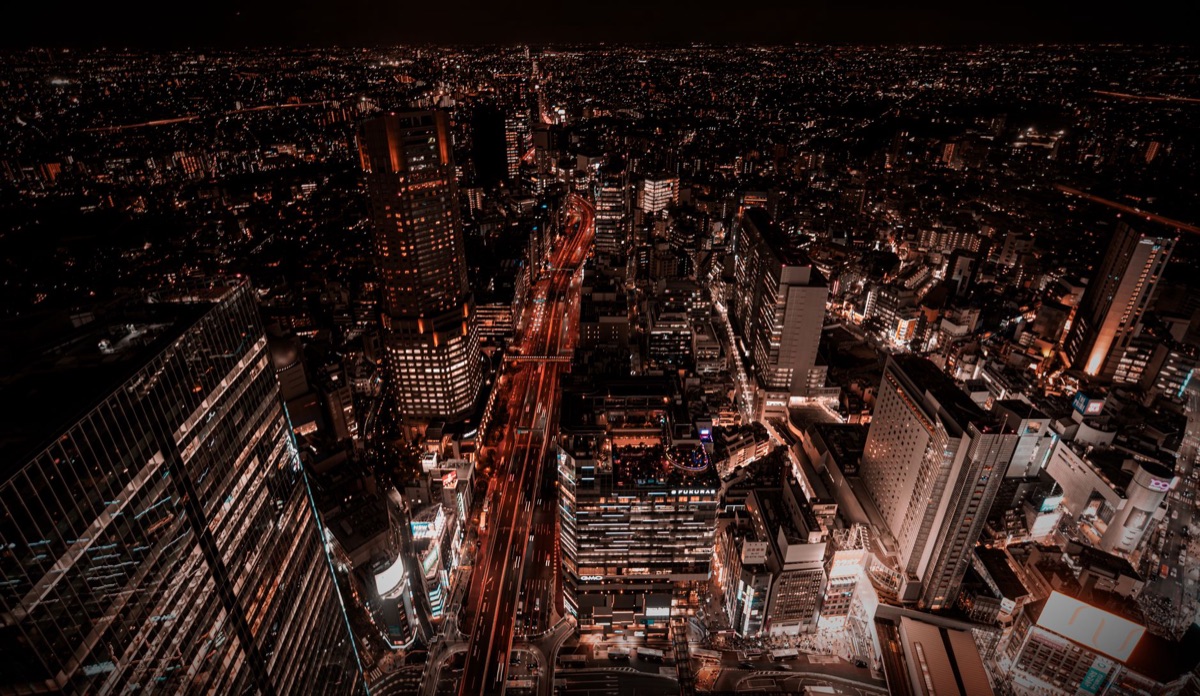
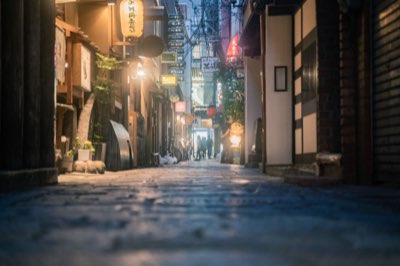
The steam rises from a bubbling vat of oil in a narrow alleyway in Shinsekai, catching the neon light of a nearby sign. A group of salarymen sits shoulder-to-shoulder at a wooden counter, their eyes fixed on the rhythmic movement of the chef turning skewers in the fryer.
According to World Bank data, Japan recorded international tourist arrivals of 4,115,800 in 2020.
This scene is the heartbeat of Osaka. While the city has always been a hub of commerce, its identity is inextricably linked to its appetite.
The concept of "Kuidaore"—a term meaning to eat oneself into bankruptcy or to eat until one can no longer move—is the driving force behind the city's culinary reputation. This isn't just about hunger; it is about the joy of indulgence.
Historically, the city's geography played a role in its development.
During the Jōmon period (7,000 BCE), present-day Osaka was mostly submerged, and the Uemachi Plateau (上町台地, Uemachi Daichi) formed a 12 km (7.5 mi) long and 2.5 km (1.6 mi) wide peninsula separating Kawachi Bay from the Seto Inland Sea.
This unique landscape shaped a bustling port city where various ingredients could be easily sourced and prepared.
Kushikatsu emerged as a way to turn various ingredients—meats, seafood, and seasonal vegetables—into hearty, satisfying meals. The variety is immense, ranging from simple lotus root and quail eggs to premium beef or shrimp.
The true test of a shop, however, isn't just the ingredients, but the mastery of the batter and the sacredness of the sauce.
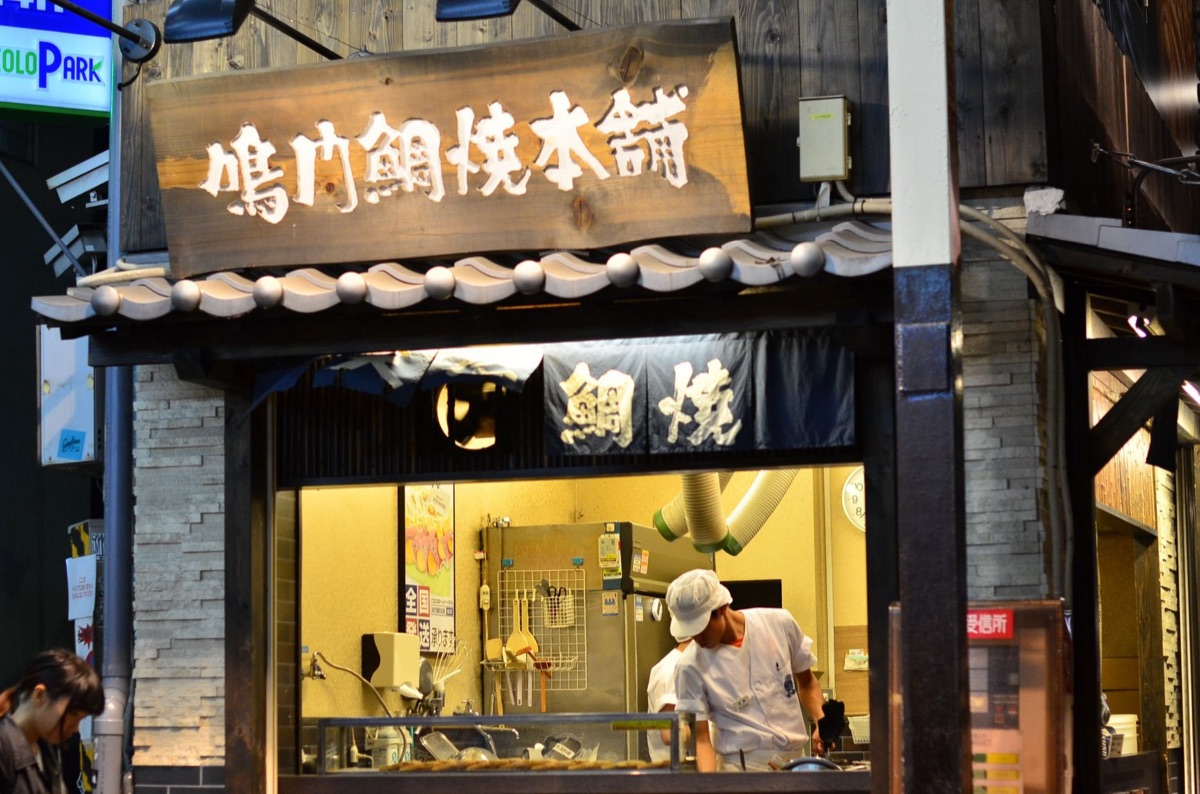
What is the perfect way to order and dine? A waiter places a small, ceramic bowl of dark, savory sauce in the center of the table. You pick up your first skewer—a crispy, golden-brown piece of pork—and prepare to take your first bite.
To eat like a local, you must follow a specific sequence. First, you select your items based on a balance of textures. It is wise to start with lighter vegetable skewers to build an appetite before moving to heavier meats. Once the hot skewers arrive, the "One Dip" mandate becomes your law.
The sauce is almost always communal. To prevent cross-contamination and maintain hygiene, you must dip the skewer into the sauce exactly once. If you have already taken a bite, you do not put the sauce-covered end back into the shared bowl.
If your skewer is heavily coated, you must carefully manage the excess to avoid a mess.
For the perfect pairing, look to local sake or a crisp Japanese lager. The acidity of the drink cuts through the richness of the deep-fried batter, cleansing your palate for the next piece.
A common strategy is to order a "set" of various items—one seafood, one meat, one vegetable—to experience the full spectrum of the chef's skill in a single sitting.
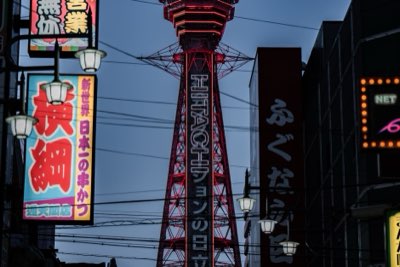
How do I find the perfect kushikatsu spot? The sun sets over the Tsutenkaku Tower, casting long shadows over the bustling streets of the Naniwa ward. You stand at a crossroads, looking at a brightly lit restaurant designed for large groups and a tiny, dim shop tucked away in a side street.
Choosing where to eat depends entirely on the experience you seek.
| Feature | Dotonbori / Major Hubs | Shinsekai / Local Alleys |
|---|---|---|
| Atmosphere | High energy, loud, tourist-centric | Gritty, authentic, nostalgic |
| Price Point | Often higher due to premium locations | Generally more affordable |
| Variety | Wide selection of "fusion" styles | Traditional, focused on classic recipes |
| Crowd | International travelers and large groups | Locals, salarymen, and food enthusiasts |
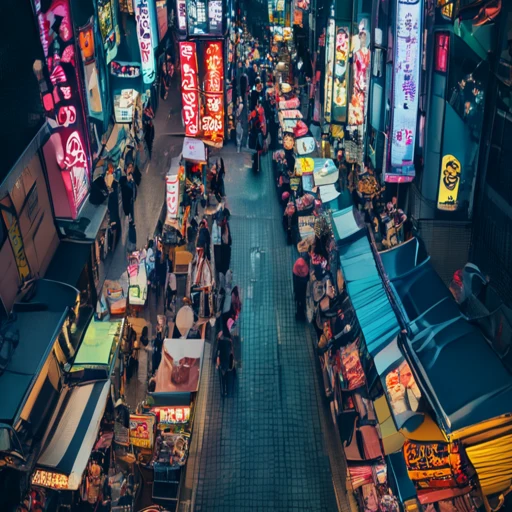
Dotonbori is fantastic for those who want the neon-lit spectacle of Osaka, but if you want the true soul of the dish, head toward Shinsekai. This area is the spiritual home of Kushikatsu.
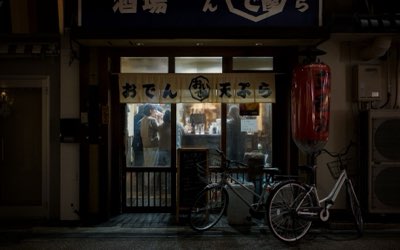
While the main thoroughfares are easy to find, the "local secrets" are often found in the smaller shops one or two blocks away from the main drags.
If you are looking for a quick, budget-friendly bite, the smaller shops are perfect. If you want a more refined, sit-down experience, look for mid-range establishments in the Umeda district.
A smart "combo" strategy is to visit a local spot for a heavy dinner and save the more expensive, specialized shops for a lighter lunch or a specific treat.
Beyond the Skewer: Pairing Kushikatsu with Osaka's Other Delights
The smell of savory batter lingers in the air as you walk from one shop to another. Your stomach is full, but your curiosity is piqued by the scent of grilled octopus and savory pancakes coming from the next street over.
In Osaka, eating is often a marathon, not a sprint. Kushikatsu is a heavy, satisfying meal, but it is part of a larger culinary ecosystem. It is often grouped with the "Holy Trinity" of Osaka street food: Okonomiyaki (savory pancakes) and Takoyaki (octopus balls).
Because Kushikatsu is fried, it can be quite heavy on the palate. To prevent "grease fatigue," many locals follow a heavy meal with something lighter or soup-based. A bowl of clear dashi-based ramen or a side of seasonal pickles can provide the necessary contrast to reset your taste buds.
If you are planning a food crawl, do not try to eat a full portion of everything at every stop. Instead, share plates among your group. This allows you to sample a wide variety of flavors without becoming too full to enjoy the next destination.
The best time to start this marathon is in the late afternoon, allowing you to transition from late lunch to an early dinner without missing the peak evening atmosphere.
Troubleshooting Your Visit: Common Pitfalls to Avoid
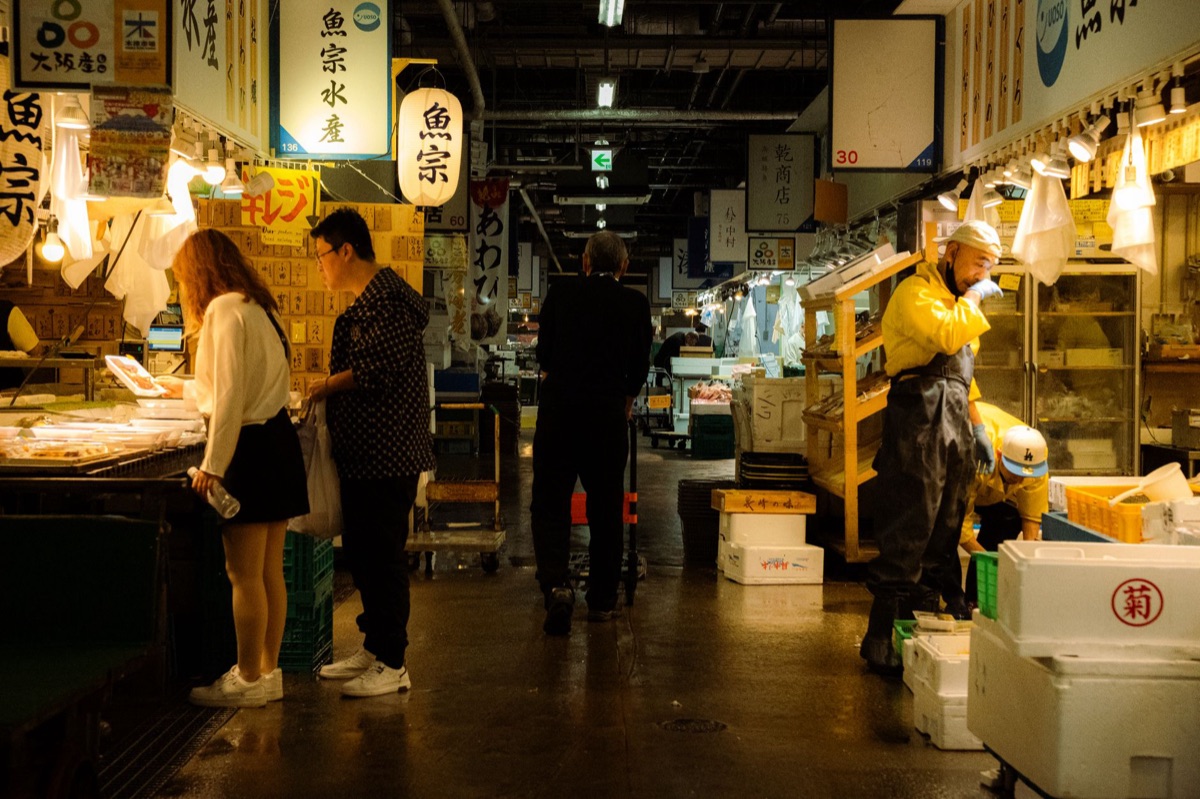
The restaurant is packed, and the noise level is rising. You see a group of tourists struggling to navigate the menu, and you realize that the "easy" way isn't always the best way.
One of the biggest mistakes is failing to account for the "Rush Hour Reality." During peak dinner hours in areas like Namba or Shinsekai, wait times can be significant. If you want a more relaxed experience, aim for an early dinner around 5:00 PM or a late-night snack after 9:00 PM.
Another pitfall is the "Is it worth it?" dilemma regarding expensive sets. Some shops offer premium wagyu or giant shrimp skewers. While delicious, these can be very expensive.
A pro tip is to mix one "splurge" item with several affordable vegetable or pork skewers to balance your budget and your fullness.
Finally, be mindful of the atmosphere. Some shops are loud, social hubs where talking is encouraged, while others are more focused on the food. Observe the local vibe before you settle in. If you see everyone eating quickly and moving on, it is likely a high-turnover spot.
If people are lingering over drinks, it is a place to settle in.

Comments 0